




Leno Step-Seat Furniture Market Trends: Future Directions for Educational & Collaborative Spaces
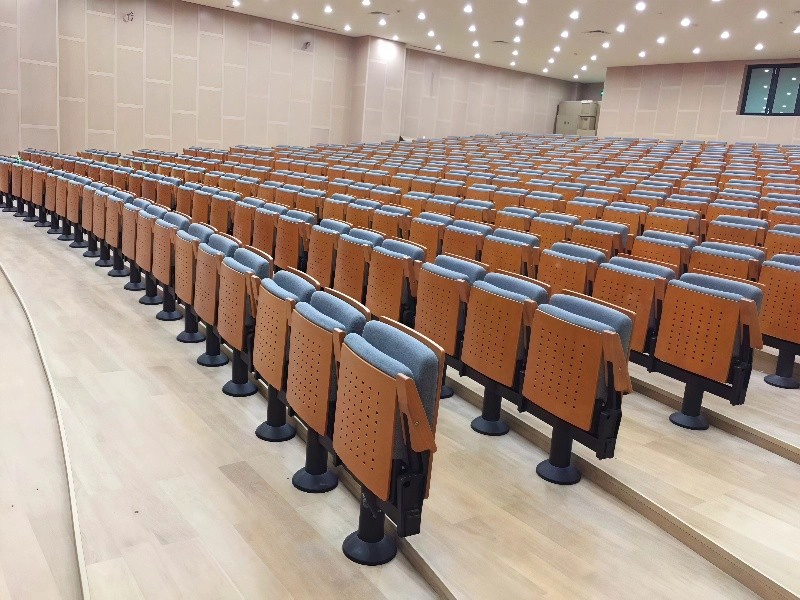
Leno’s step-seat furniture, a staple in educational and large-group collaborative spaces, is evolving rapidly to meet the demands of modern learning environments and workplace dynamics. As the industry shifts toward flexibility, ergonomics, and sustainability, Leno’s approach to design and functionality will play a key role in shaping its future trajectory. This article analyzes the core market trends driving the development of Leno’s step-seat furniture and outlines strategic directions for the industry.
Key Market Trends Shaping Leno’s Step-Seat Furniture Development
1. Ergonomics and Health-Centric Design
- Trend:Growing awareness of student and professional well-being has made ergonomic design a top priority.
- Leno’s Adaptation: Future step-seat models will likely feature adjustable seat heights, lumbar support, and contoured backrests to reduce physical strain during long sessions. Integration of posture-tracking technology (e.g., subtle seat sensors) may also emerge to promote healthy sitting habits.
- Industry Impact: This shift aligns with global standards for educational furniture, making Leno’s products more appealing to schools and institutions focused on student health.
2. Modularity and Flexibility
- Trend: Modern learning and collaboration spaces require adaptable furniture to support diverse activities (lectures, group work, presentations).
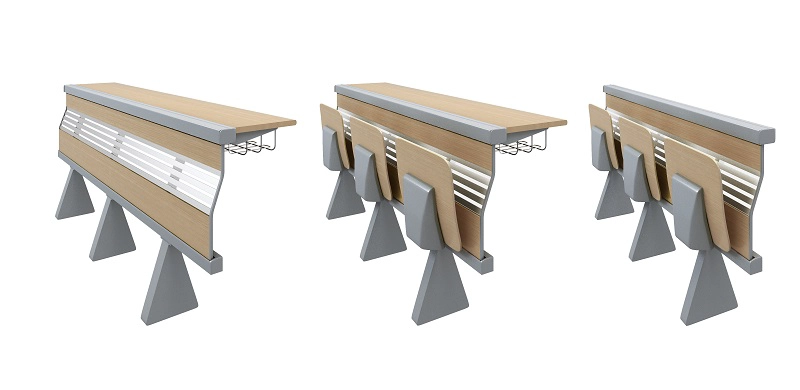
- Leno’s Adaptation: Leno is expected to enhance the modularity of its step-seat systems—enabling easy reconfiguration (e.g., combining step-seats with mobile tables or whiteboards). Quick-release mechanisms for seat rows will allow spaces to transition between fixed auditorium setups and open collaborative zones.
- Industry Impact: Modular designs increase the versatility of Leno’s products, expanding their use beyond traditional classrooms to multipurpose halls, training centers, and co-working spaces.
3. Sustainability and Eco-Friendly Materials
- Trend: Environmental responsibility is a key demand from consumers and institutions.
- Leno’s Adaptation: The company is likely to increase the use of recycled materials (e.g., recycled plastics for seat shells, FSC-certified wood for frames) and adopt low-emission manufacturing processes. Transparency in material sourcing (e.g., eco-labels on products) will strengthen Leno’s brand reputation.
- Industry Impact:Sustainable practices will help Leno meet regulatory requirements in key markets (e.g., EU’s Green Public Procurement standards) and attract eco-conscious buyers.
4. Technology Integration
- Trend: Digital tools are increasingly integrated into learning and collaboration environments.
- Leno’s Adaptation: Step-seats may include built-in power outlets, USB charging ports, and cable management systems. Some models could feature embedded IoT sensors to monitor seat occupancy (for space utilization analytics) or integrate with classroom management software (e.g., syncing seat positions with lesson plans).
- Industry Impact: Tech-enhanced furniture positions Leno as a provider of “smart” learning solutions, appealing to tech-forward institutions.
5. Customization for Diverse Needs
- Trend: One-size-fits-all designs are being replaced by tailored solutions for different age groups and use cases.
- Leno’s Adaptation:Expect Leno to offer customizable options—such as varying seat depths for younger students vs. adults, color schemes for branding or wayfinding, and specialized configurations for theaters vs. training centers.
- Industry Impact: Customization expands Leno’s market reach, allowing it to serve niche segments (e.g., early childhood education, corporate training) more effectively.
6. Global Market Expansion and Localization
- Trend: Emerging markets (e.g., Asia-Pacific, Latin America) are investing heavily in educational infrastructure.
- Leno’s Adaptation:The company will likely adapt its step-seat designs to local needs—considering regional preferences (e.g., compact designs for space-constrained urban schools) and regulatory standards (e.g., safety certifications specific to target countries).