





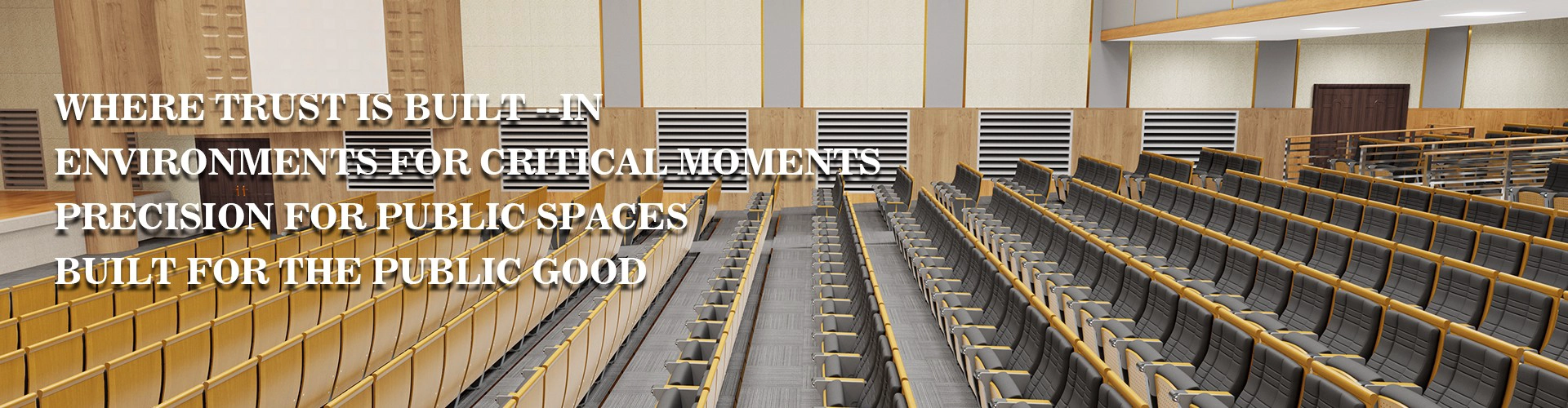
New Fire Safety Codes in EU Force Auditorium Seats Manufacturers to Innovate with Fire-Resistant Foams
A deadly theater fire has long been one of the industry’s worst nightmares. Stricter European Union regulations are now compelling a wholesale reinvention of the materials used in auditorium seats, sparking a material science race that will redefine public safety.
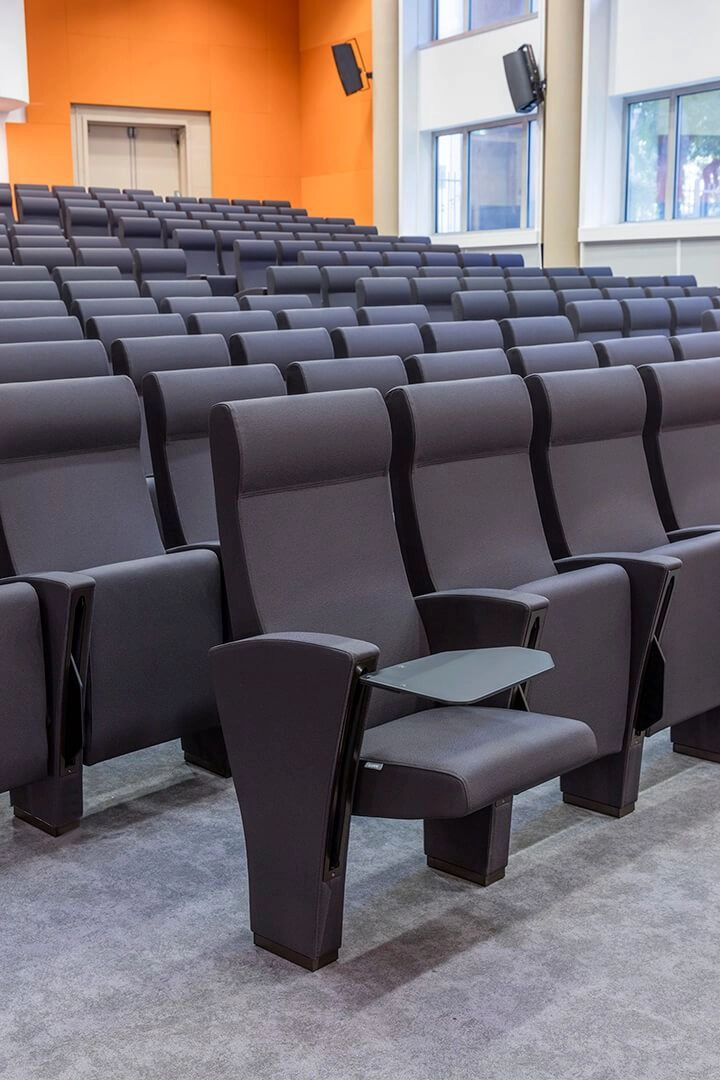
The updated EN 13501-1 classification framework and the tightened Construction Products Regulation have raised the bar for reaction-to-fire performance in assembly buildings. For seating manufacturers, the most demanding new requirement is that upholstered auditorium seats must not only resist ignition but must drastically limit smoke density and toxic gas emissions. This triple threat — flame, smoke, toxicity — renders traditional melamine foam and standard polyurethane barriers obsolete in many high-occupancy applications. In response, chemical giants and niche textile firms have developed a new class of intumescent graphite-infused foams that swell into a protective char when exposed to high heat, forming an insulating layer that can add critical extra minutes to evacuation time. Test footage comparing conventional and new-generation auditorium seats shows a dramatic reduction in flashover rates; where old seats become fuel, the new variants self-extinguish and generate a thin, transparent smoke that does not obscure exit signage.
The practical implications for seating design are profound. Fire-resistant barriers can no longer be an afterthought lining; they must be integral to the seat’s structure. Several leading European brands now offer auditorium seats whose entire shell is compression-molded from a flax-fiber composite impregnated with halogen-free flame retardants. This single-material approach eliminates the risk of a flammable fabric separating from a barrier and exposing the foam core. In cinema multiplexes, where dark environments and close row spacing elevate risk, operators are retrofitting existing platforms with these fully certified auditorium seats. The upgrade often brings an unexpected bonus: the high-density bio-composite shells dampen sound transmission between rows more effectively than the old steel pans, simultaneously improving both safety and the acoustic experience.
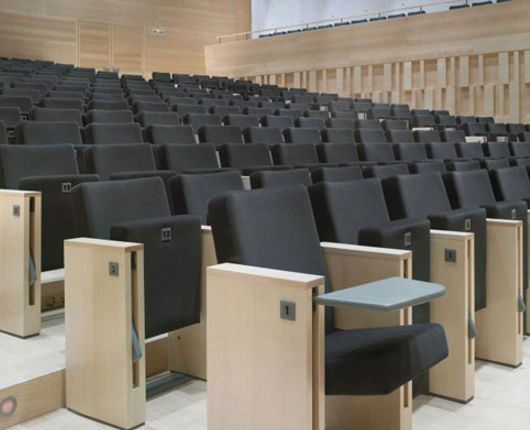
Compliance costs, however, remain a concern. The new formulations can add 15 to 20 percent to the unit price, particularly for wide-format VIP chairs. Yet insurers are beginning to reward venues that proactively install fire-hardened seating with lower premiums, partially offsetting the premium. Moreover, the EU framework is being closely watched by regulators in the Middle East and Southeast Asia, where a wave of mega-venue construction is underway. Specifiers looking to future-proof their projects are already writing the latest EN fire standards into their performance briefs, even in regions where they are not yet mandatory. The silent message is clear: any manufacturer unwilling to invest in intrinsically fire-safe auditorium seats will find itself locked out of an increasingly safety-conscious global market.