





Post-Pandemic Hygiene Standards Spark Antimicrobial Coating Boom for Auditorium Seats
*The Covid-19 pandemic forever changed how we think about shared public spaces, and the theater industry found itself at the center of a hygiene reckoning. Now, the fabrics and surfaces of auditorium seats are being engineered with self-cleaning superpowers that last for years.*
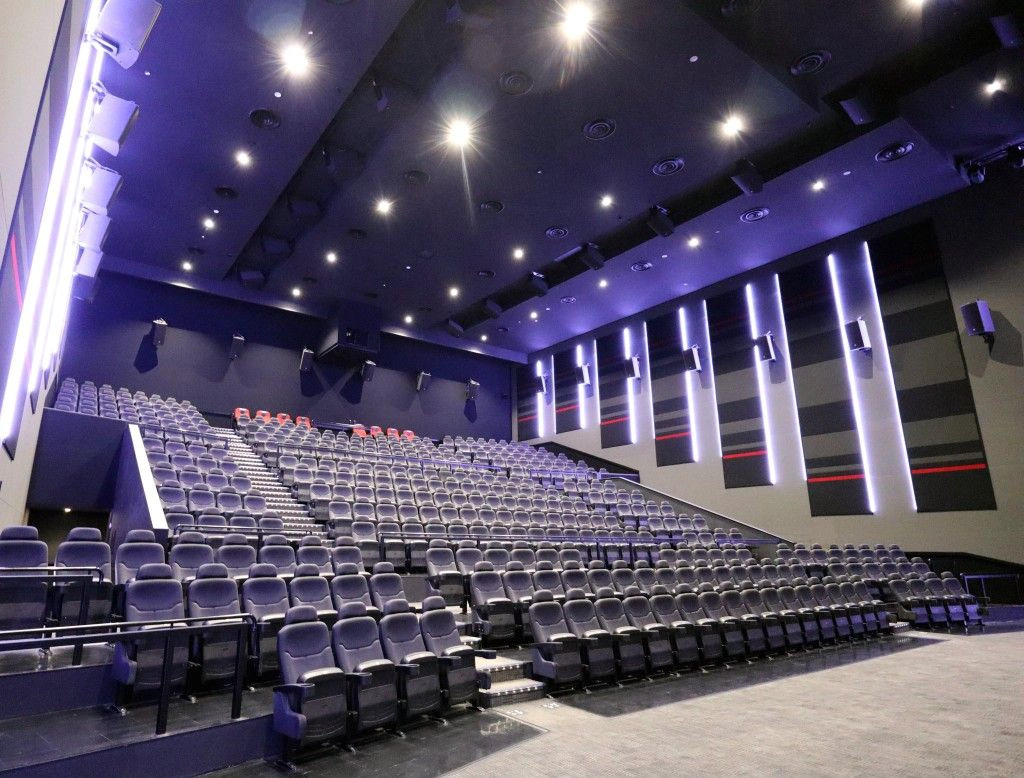
The fear of surface transmission may have receded, but its legacy is permanently etched into procurement specifications for assembly spaces worldwide. Venue operators no longer consider easy-clean fabric a luxury; it is a non-negotiable element of risk management. This has triggered a quiet revolution in material science dedicated entirely to auditorium seats. Silver-ion and copper-based antimicrobial treatments, once reserved for healthcare furniture, are now standard options for upholstery and armrest caps. Unlike topical sprays that wear off in weeks, these agents are integrated directly into the polymer matrix of synthetic leathers or the weft of high-performance textiles, retaining their efficacy through hundreds of cleaning cycles. Independent testing has shown that certain auditorium seats treated with photocatalytic titanium dioxide coatings can neutralize up to 99.9% of bacteria and enveloped viruses under standard theater lighting conditions.
The hygienic redesign extends far beyond surface chemistry. Designers are systematically eliminating seams, crevices, and textile-to-frame gaps where pathogens might linger. A Scandinavian manufacturer recently launched a fully welded seat shell upholstered in a single-piece, non-porous membrane stretched over a hydrophobic foam core. The result is a seat that can be pressure-washed or steam-cleaned without any risk of moisture penetrating the internal structure. Many new auditorium seats also feature anti-microbial polymer armrests with integrated UV-C disinfection compartments that activate overnight, creating a sterile zone for each patron by opening night. Theaters with rapid turnarounds, such as Broadway houses running matinees, have praised how quickly these redesigned auditorium seats can be sanitized between performances, reducing labor costs and eliminating the odor of harsh chemicals.
This focus on hygiene has also rekindled interest in inherently anti-microbial natural materials. Cork and merino wool, long sidelined in favor of synthetics, are reappearing as functional upholstery layers. Wool’s natural lanolin and scale structure makes it resistant to dust mites and bacteria, while cork offers a warm tactile experience with naturally hypoallergenic properties. As health authorities in Europe and Asia draft rigorous indoor air quality and cleanliness standards for mass gathering venues, the next generation of auditorium seats will be judged not just on comfort or aesthetics, but on their ability to actively contribute to a clinically cleaner environment. It marks a fundamental shift in how we define performance in public seating.
4. Major Consolidation: SeatKing Acquires Rival to Dominate Global Auditorium Seats Market
In a move that sent shockwaves through the live events industry, seating behemoth SeatKing announced its acquisition of EuroChair Systems, creating an undisputed titan in the world of auditorium seats and reshaping the competitive landscape overnight.
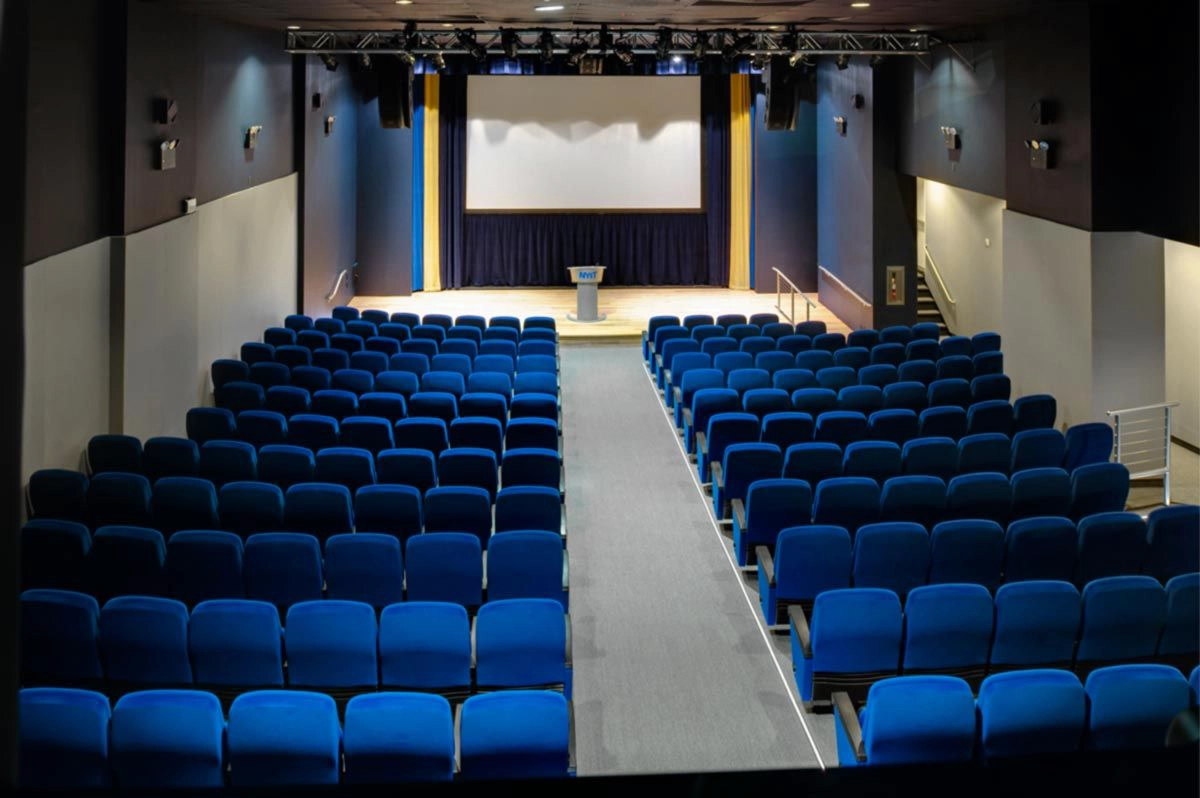
The transaction, valued at approximately $940 million, brings together two companies that have historically competed fiercely across the education, performing arts, and corporate conferencing verticals. Analysts say the merger will give the new entity control of roughly 28 percent of the global auditorium seats supply chain, from raw frame fabrication to final installation and after-sales service. The rationale, according to SeatKing’s CEO, is scale and synergy. By consolidating EuroChair’s advanced polyurethane molding facilities in Italy with SeatKing’s extensive distribution network in North America and Asia, the merged group expects to slash lead times by five weeks and reduce per-unit production costs by 14 percent. This immediately places pressure on smaller, independent fabricators of auditorium seats, many of whom lack the capital to automate at the same level.