





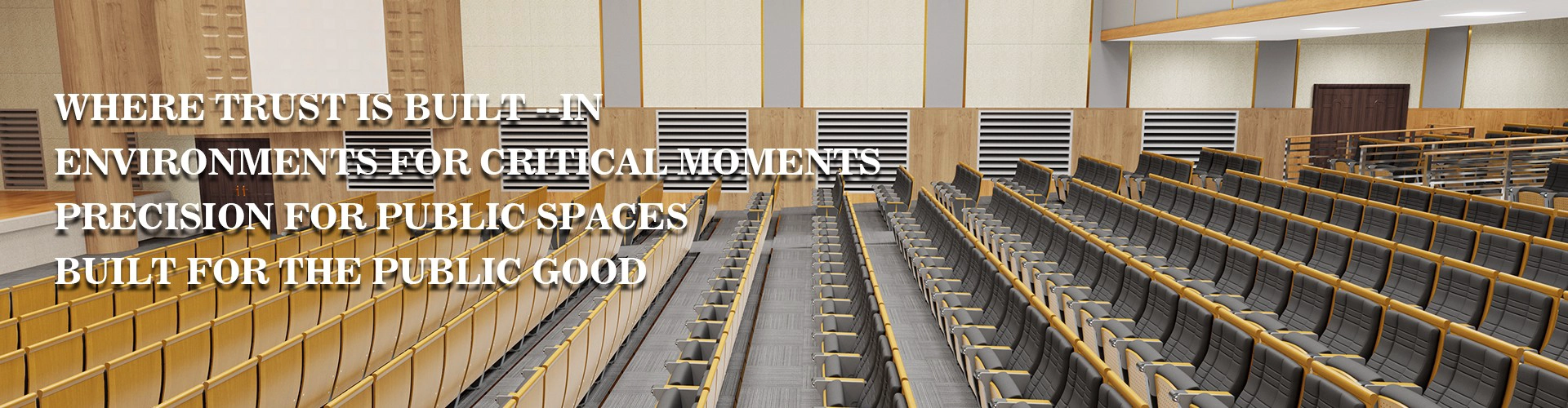
Smart Auditorium Seats Bring Haptic Feedback and Health Monitoring to Live Events
Imagine a theater seat that not only embraces you in comfort but also monitors your heart rate, adjusts its temperature, and lets you feel the rumble of a distant thunderstorm through subtle vibrations synchronized with the stage. This is not science fiction — it is the new frontier for auditorium seats.
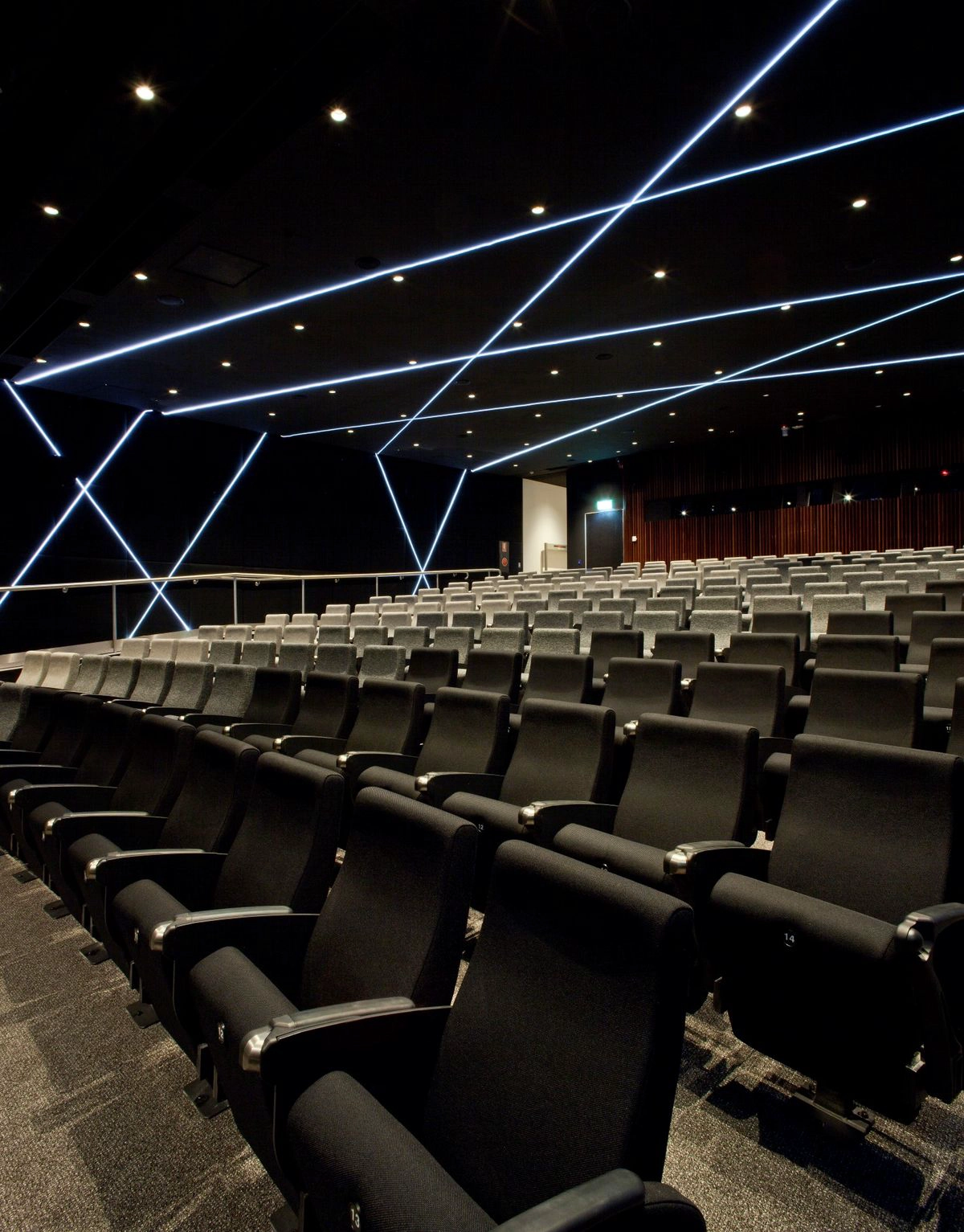
The integration of digital technology into fixed seating is accelerating at a breathtaking pace, driven by a post-pandemic appetite for hybrid experiences and a growing recognition that the seat itself can be a medium for storytelling. Innovative engineers are embedding haptic actuators, biometric sensors, and wireless charging coils directly into auditorium seats, transforming passive furniture into active participants in live performance. At a recent technology expo in Berlin, a prototype bank of connected auditorium seats demonstrated how real-time heart-rate data from an audience could be anonymized and projected as a collective emotional heat map, allowing performers to gauge engagement without a single applause. Privacy safeguards are built in, with all physiological data processed locally on the seat’s processor and never stored.
Beyond biofeedback, haptic immersion is the headline feature. Filmmakers and theater directors are now scoring their works with haptic tracks that trigger precise vibrations through the seat pan and backrest. A staging of Shakespeare’s The Tempest in Toronto used auditorium seats equipped with bone-conduction transducers, giving patrons the physical sensation of a shipwreck without any audible rattle. This same technology is being explored for sensory-friendly performances, where gentle, rhythmic pulses can soothe audience members on the autism spectrum. The adoption of such advanced auditorium seats also helps venues address accessibility in unprecedented ways. For the hearing-impaired, vibration patterns can translate bass frequencies and dramatic moments directly into tactile cues, ensuring the narrative is felt even when it cannot be heard.
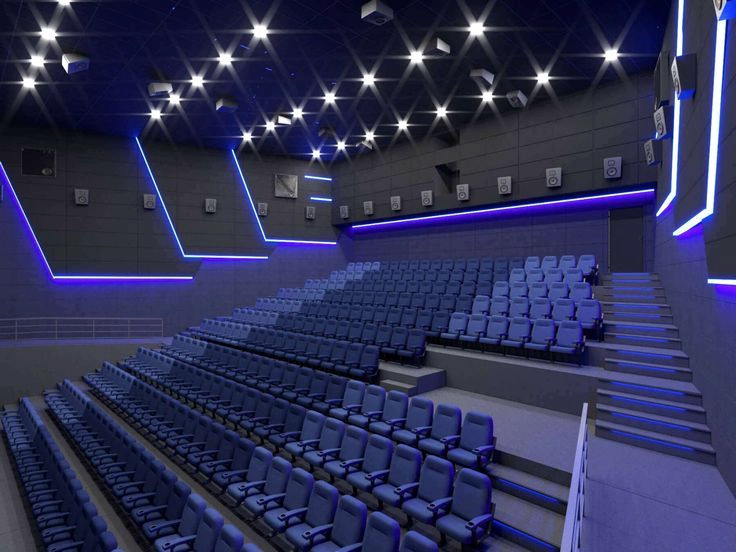
Maintenance and facility management are also benefiting from smart seating. Embedded pressure sensors report real-time occupancy data to front-of-house systems, enabling dynamic crowd management and precise heating or cooling adjustments in each row. When a seat requires cleaning or repair, it can automatically flag its status. One major European opera house has already retrofitted its entire dress circle with intelligent auditorium seats that log seat-hours of use, predict wear on fabrics, and remind technicians when an armrest mechanism needs lubrication. This shift from reactive to predictive maintenance slashes long-term costs and extends the furniture’s lifespan. As the line between venue and device continues to blur, specifiers are increasingly viewing auditorium seats not just as a capital purchase, but as a long-term digital platform that can evolve through software updates, keeping the experience fresh for years.