





Rapid-Response Disaster Training: The Inflatable Training Chair
When a humanitarian disaster strikes, aid workers need to set up a field training camp in hours, not days. An inflatable training chair that fits in a backpack and inflates to full structural rigidity in thirty seconds is changing the face of rapid-response education.
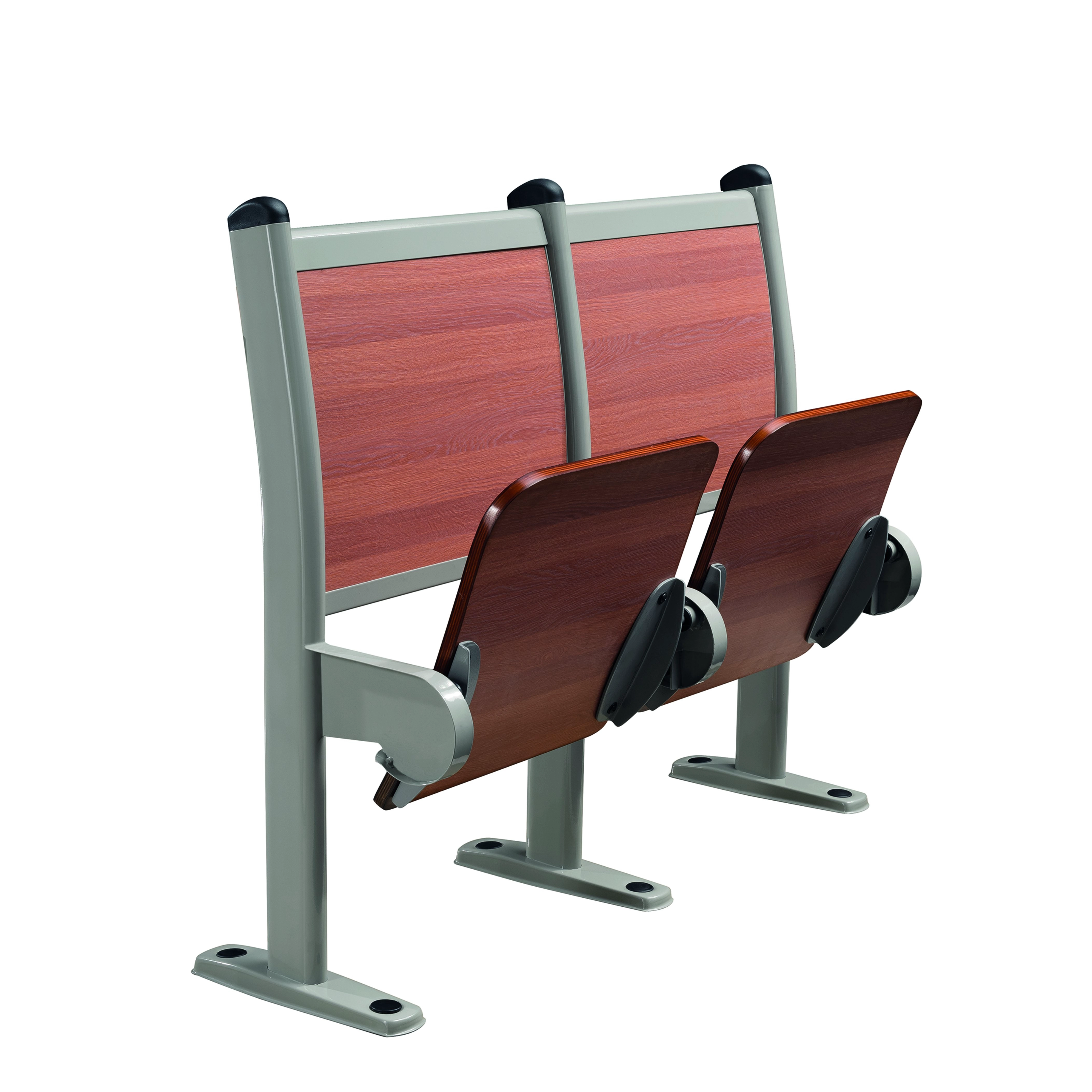
Humanitarian organizations and military units frequently operate in remote, devastated locations where shipping heavy furniture is logistically impossible. Learning still needs to happen—protocols on cholera treatment or landmine safety must be taught immediately. Engineers have taken inspiration from the air-beam technology used in expedition tents to create the "AeroSeat." Deflated, this training chair weighs less than 2 kg and rolls up to the size of a yoga mat. Using a high-pressure hand pump (or an electric mini-pump with a solar panel), the seat and backrest beams inflate to 15 PSI, forming a rigid, skeletal frame that is remarkably stable. A woven drop-in seat fabric stretches between the air beams, creating a comfortable, off-the-ground training chair that can be set up anywhere—a dusty field, a collapsed building basement, or a flooded gymnasium.
The engineering challenge was preventing the training chair from feeling like a beach toy. The air beams are not standard PVC; they are a multi-layered thermoplastic polyurethane-impregnated fabric with a high-tenacity nylon core, the same material used in white-water rafts. This gives the training chair the rigidity needed for active note-taking without the bounce associated with cheaper inflatables. The ergonomics are highly considered. The lumbar curve is formed by a specifically shaped air cell that inflates to a higher pressure than the rest of the backrest, providing active spinal support. The base is wide and designed with ground-gripping dimples to prevent skidding on smooth mud or concrete. Because it’s fabric-based, the entire training chair can be easily wiped down, chemically disinfected, or even hosed off in a decontamination line.
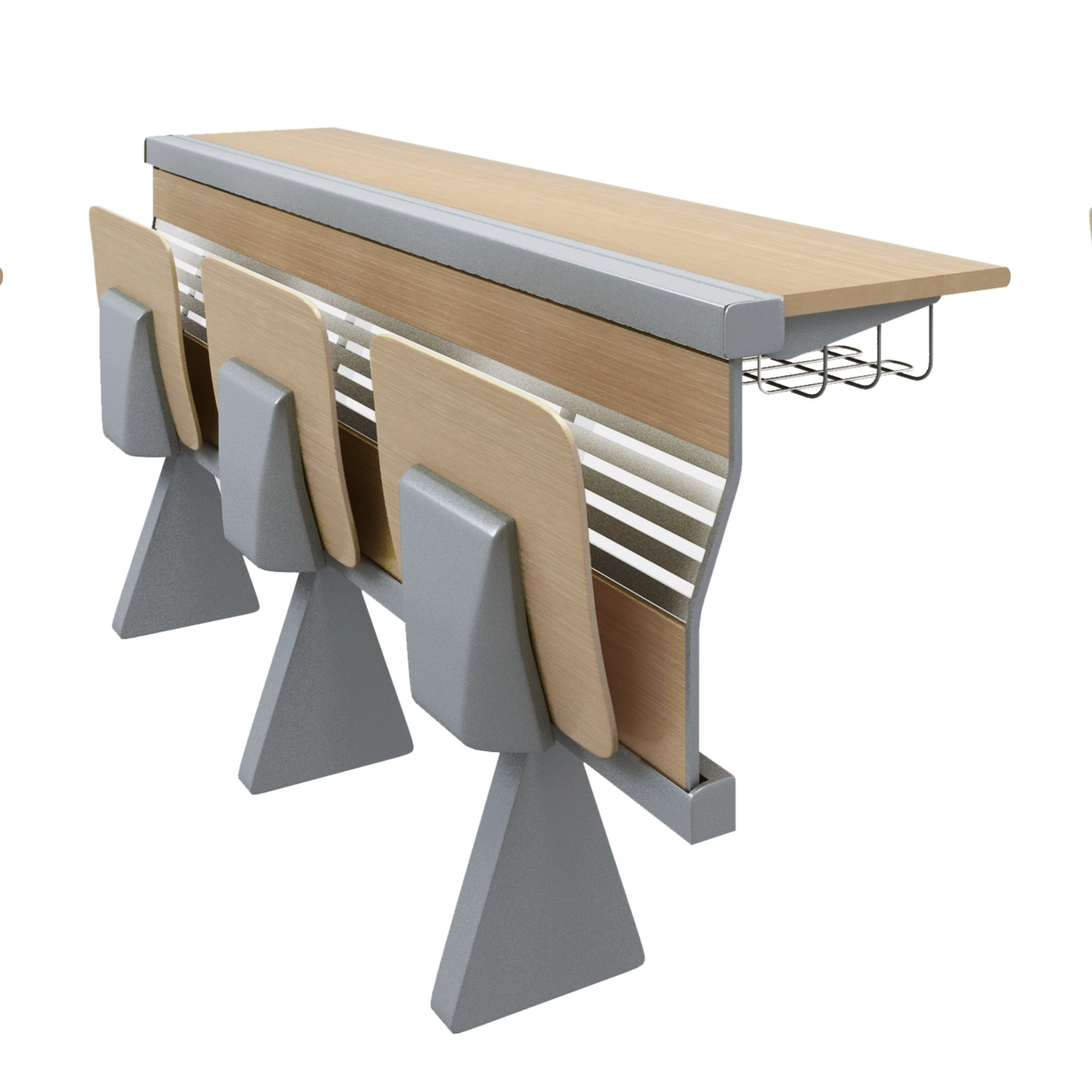
The implications for emergency training and temporary classrooms are profound. A small propeller plane can carry enough of these compact training chairs to seat 500 students, a payload that would be utterly impossible with stacked plastic seating. The unit cost is significantly lower than a standard institutional chair, and because the chair is inherently safe (it has no sharp edges or pinch points), it’s ideal for chaotic environments like child-friendly spaces in refugee camps. When the crisis is over, the chairs can be deflated, easily quarantined, and transported to the next mission. The inflatable training chair proves that extreme portability and ergonomic dignity are not mutually exclusive, bringing a new level of humanity to the logistics of aid and defense training.