






The Silent Trainer: A Training Chair with Bone-Conduction Audio
In an open-plan office where training is conducted in a fishbowl environment, audio bleed from headphones is a constant annoyance. A new training chair beams the trainer’s voice directly into the user’s skull through the headrest, leaving the room in absolute silence for everyone else.
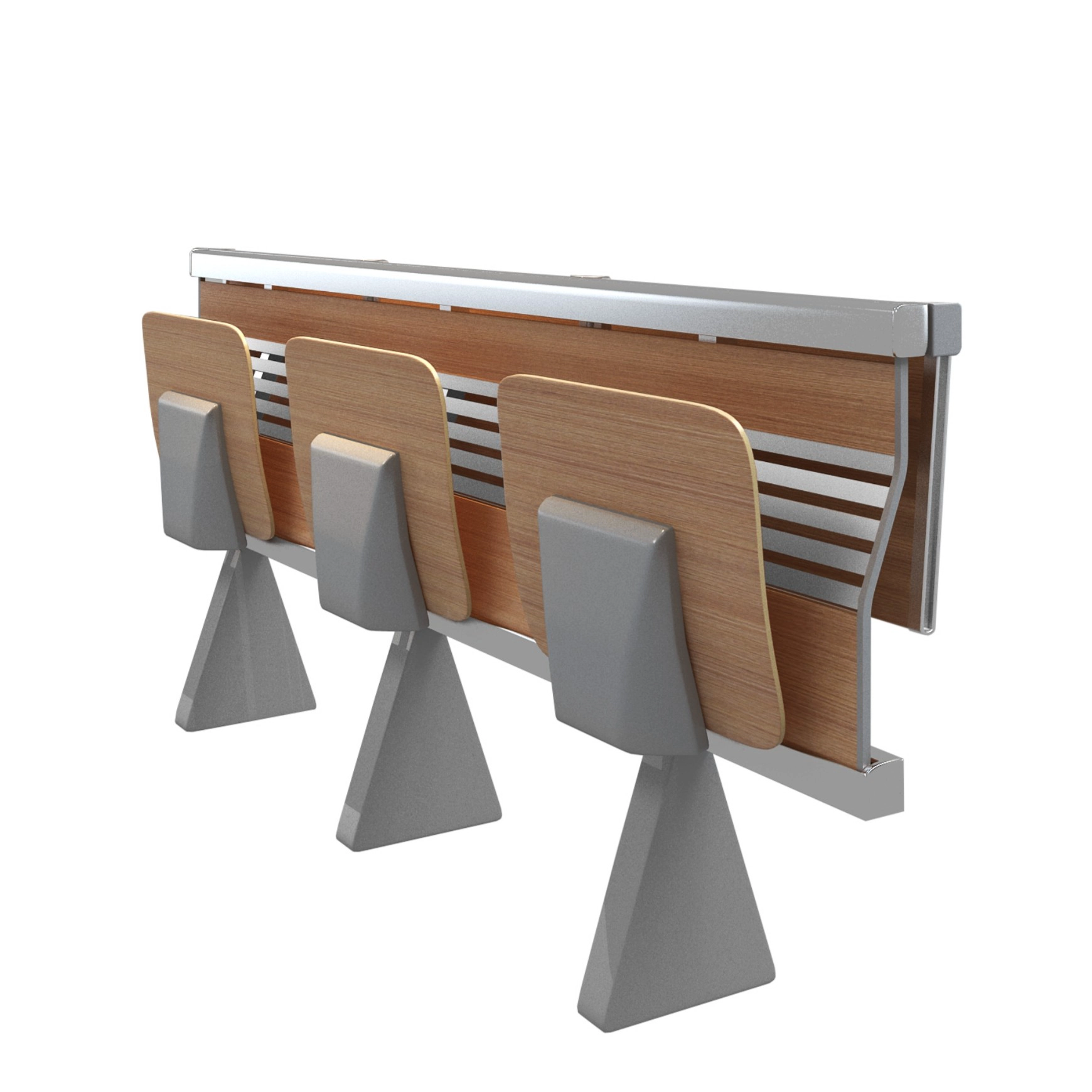
The modern corporate "agile" office has no doors. When a team needs to upskill, they often do so at a bank of desks, surrounded by colleagues trying to focus on email. Playing a training video or a loud lecture is antisocial. The solution is a training chair equipped with bone-conduction transducers embedded within a winged, high-back privacy headrest. The user leans their head back slightly against a soft pad, and the sound—crystal clear—is transmitted via vibration through the temporal bones directly to the cochlea. To anyone standing a foot away, the training chair is completely silent. This allows for intense, multimedia training sessions to occur in the middle of a bustling trading floor or a quiet library without disrupting a single neighbor. It’s the ultimate in localized audio privacy.
The acoustic engineering of this intelligent training chair is remarkably sophisticated. Because bone conduction traditionally lacks bass, the chair’s backrest includes a secondary "vibro-tactile" driver that produces low-frequency physical effects synchronized with the audio, so the user feels the rumble of an explosion or the bass line of a piece of music through their spine. The experience is immersive without being isolating; the user’s ears remain open to ambient sounds, so they can still hear a fire alarm or a colleague tapping them on the shoulder. This is a critical safety advantage over noise-canceling headphones, which can create a hazardously detached "cocoon" in an active workplace. The training chair also features a built-in noise-canceling microphone array in the armrest for the user’s voice, so any verbal participation in the virtual training is perfectly captured without picking up the neighboring chatter.
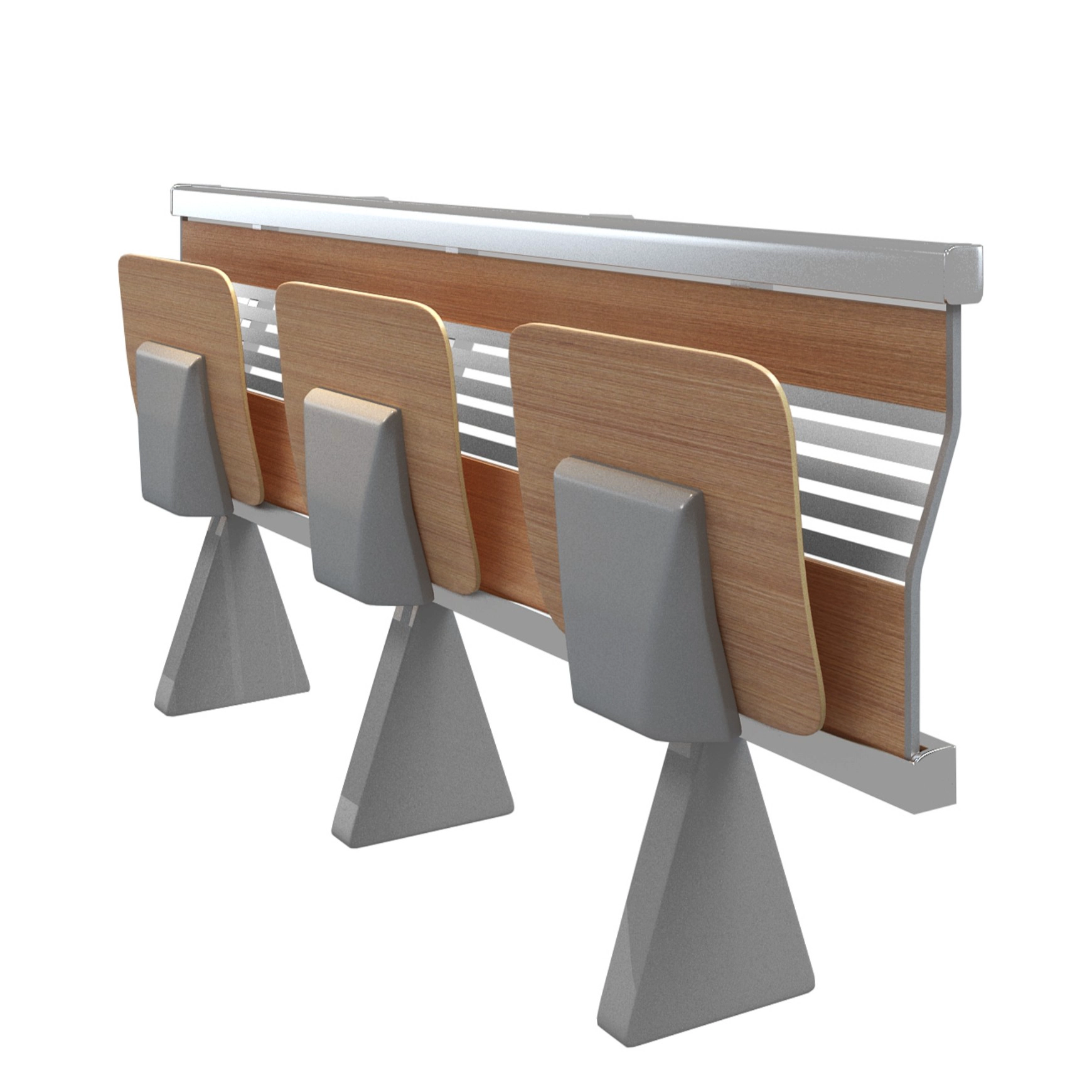
The design is already gaining traction in sectors handling sensitive information. In banking and defense, the screen is often visible, but the audio is classified. The bone-conducting training chair effectively creates a secure audio zone without a physical headset that could leak sound. It’s also a major win for hygiene, eliminating the shared headphone sponges that are a vector for ear infections in high-turnover training centers. While the cost is currently aligned with premium task seating, the value proposition of being able to run a call center training academy on a live, active floor without acoustic dividers is immense. The training chair becomes the architecture for a silent, invisible classroom.