






Recycled Ocean Plastic Stadium Chairs: The Green Wave Hitting Major League Venues
A stadium seat is one of the most visible pieces of a team's brand. Now, that seat is also becoming a statement of environmental commitment. A leading manufacturer has launched a stadium chair made almost entirely from ghost nets and plastic bottles recovered from the ocean, and several major clubs are making the switch.

The sports industry has a massive environmental footprint, and fans are increasingly demanding that their teams do better. The typical stadium chair is a molded polypropylene shell on a steel frame, produced from virgin petrochemicals and destined for a landfill after a decade of sun, rain, and hard use. The "Ocean Seat" initiative breaks that cycle. The shell of this new stadium chair is injection-molded from a custom polymer blend that contains 70% post-consumer ocean plastic, sourced primarily from abandoned fishing gear collected by coastal communities in Southeast Asia and the Mediterranean. The material is cleaned, pelletized, and chemically stabilized to resist the UV degradation and salt corrosion that plague conventional seating in outdoor venues. The steel frame is powder-coated with a finish that meets the same corrosion standards as marine hardware, and the entire stadium chair is designed for complete disassembly at end of life.
The aesthetic of the recycled stadium chair is a powerful marketing tool. The plastic is not uniformly dyed; it features a subtle, flecked texture that varies slightly from seat to seat, making each chair a unique piece. Teams are using this as a visual cue for sustainability, with several clubs installing a mix of seats in team colors and leaving a few "raw" ocean-plastic seats with a QR code that links to a video showing where the material was collected. This transforms the stadium chair from a passive piece of furniture into an educational exhibit. Early adopters include a Premier League soccer club in Brighton and a Major League Baseball team in Seattle, both of which have committed to zero-waste stadium operations. The clubs report that fans have responded with enthusiasm, taking photos of the distinctive seats and sharing them on social media, amplifying the team's environmental brand.
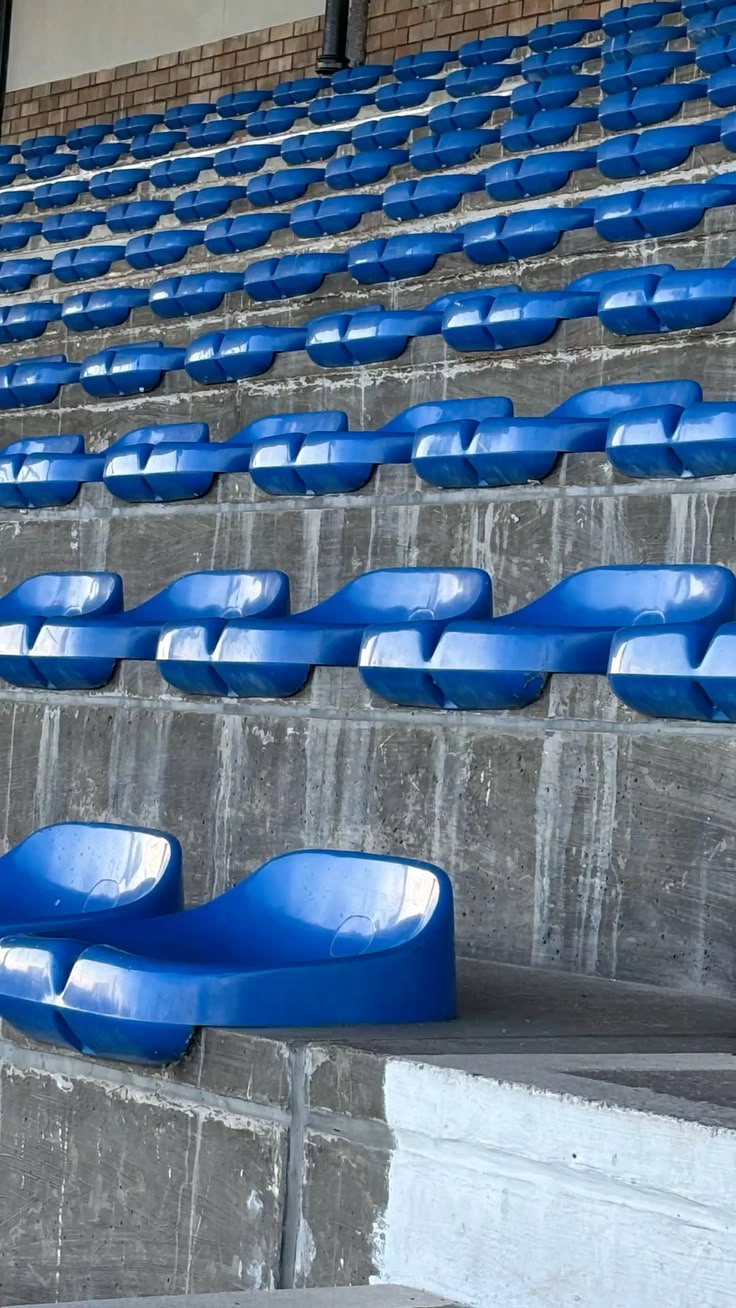
The cost of the ocean-plastic stadium chair is currently about 15% higher than a standard seat, but the lifecycle economics are improving. The material is actually more durable than virgin plastic in some respects, because the long-chain polymers in fishing nets provide exceptional impact resistance. The manufacturer offers a buy-back guarantee: when the seats are eventually replaced, they will be collected, ground down, and re-molded into new stadium chair shells, creating a true closed loop. As public pressure on sports organizations to address climate change intensifies, the ocean-plastic stadium chair is becoming a flagship project for teams that want to demonstrate tangible action rather than empty pledges. The message is clear: the future of sports seating is not just about comfort and sightlines; it is about where the chair came from and where it will go when the final whistle blows.