





The Heated Stadium Chair Revolution: How Cold-Weather Venues Are Winning Back Winter Fans
For years, attending a late-season football game in an open-air stadium meant enduring numb thighs and chattering teeth, no matter how thick the blanket. Now, a new generation of heated stadium chairs is turning frozen bleachers into cozy living rooms, and fans are staying longer — and spending more.
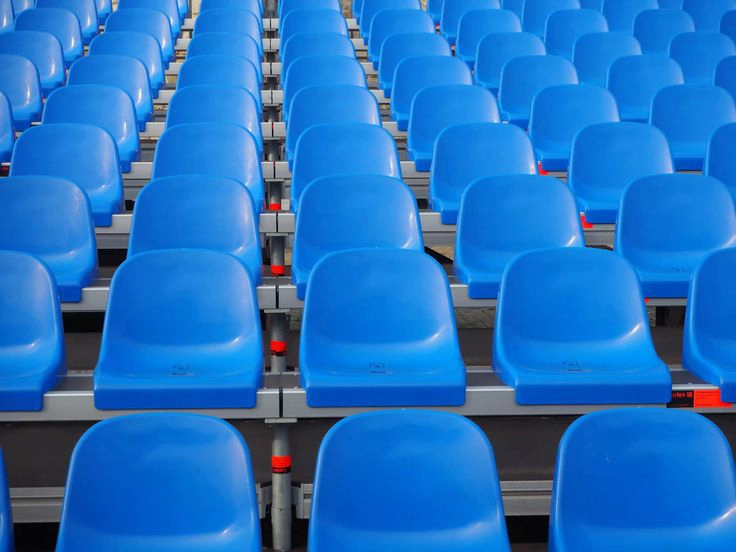
The technology behind the heated stadium chair is not rocket science, but its integration into the harsh, vandal-prone environment of a public venue required serious engineering. Early attempts at heating outdoor seating involved cumbersome electric blankets or unsafe space heaters. The new wave of installations uses low-voltage, carbon-fiber heating elements laminated directly into the seat pan and backrest of a purpose-built stadium chair. The system operates at just 24 volts, well below the threshold for dangerous shock, and draws power from weatherproof junction boxes installed along the seating rows. Venue operators control the heat through a centralized building management system, activating it only when ambient temperatures drop below 50°F (10°C) to avoid wasting energy. The heating elements are sealed beneath a high-density polyurethane foam and a waterproof, UV-stable vinyl cover, ensuring that the stadium chair can survive rain, snow, and the occasional spilled beer.
The business case for the heated stadium chair is compelling, particularly for franchises in northern climates that have historically struggled to sell tickets in November and December. A major NFL team in Green Bay reported a 22% increase in late-season attendance after retrofitting 15,000 premium seats with the heated technology. Concession sales also rose significantly, as fans were no longer rushing inside to warm up at halftime. The marketing department has leaned into the amenity, branding the sections as "Warm Zone" seating and charging a premium of $30 to $50 per game for the upgrade. The return on investment is projected to be under three years, making the heated stadium chair one of the most profitable infrastructure upgrades a cold-weather venue can make. The technology is now spreading to MLS soccer stadiums and outdoor hockey arenas, where winter weather is a constant threat to fan comfort.

Critics have raised concerns about the environmental impact of heating outdoor spaces. Manufacturers counter that the system is far more efficient than the propane patio heaters some venues previously used, and that the carbon footprint is offset by the reduction in single-use blankets and hand warmers that fans once brought with them. The latest iteration of the stadium chair includes individual occupancy sensors that turn the heat off when a seat is unoccupied, further reducing energy waste. The humble bleacher has evolved from a simple plastic perch into a climate-controlled, revenue-generating asset, proving that even the most basic piece of fan infrastructure can be reinvented for a new era of premium live experiences.