





Reshoring Manufacturing: The Return of the American-Made Training Chair
Global supply chain snarls and soaring container shipping costs have reversed decades of offshoring. A new wave of “Made in the USA” factories is bringing the manufacture of the humble training chair back home, promising faster delivery and customizable options.
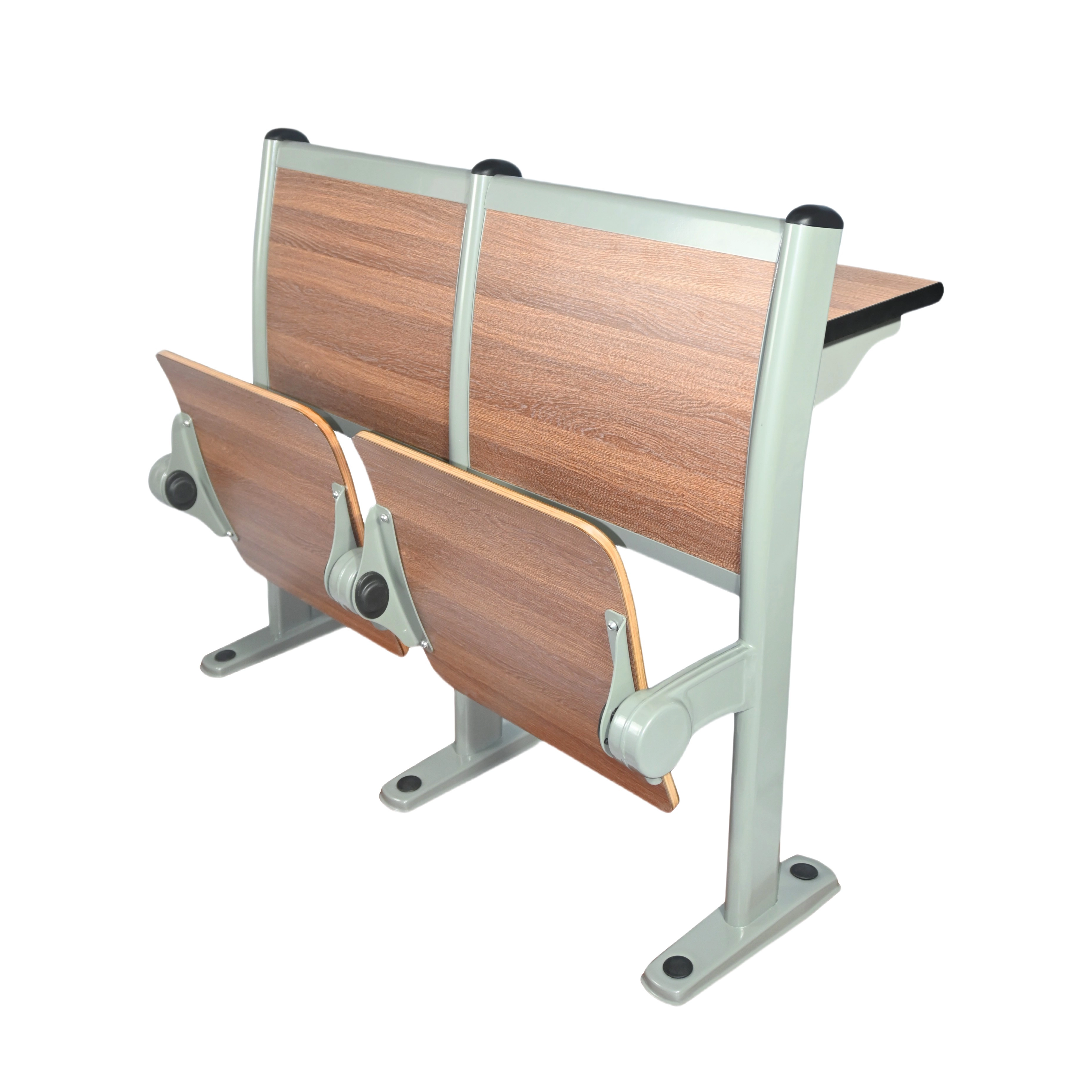
For twenty years, almost every mid-market training chair sold in North America was injection-molded or welded in China or Mexico. The pandemic’s disruption of Pacific shipping routes changed that calculus overnight. Lead times of six months became the norm, paralyzing corporate campus expansions and school modernizations. In response, a consortium of Midwestern manufacturers has constructed a highly automated plant in Indiana dedicated solely to the production of contract-grade training chairs. The factory floor is a marvel of vertical integration: steel coils enter at one end, are laser-cut and robot-welded into frames, and travel through a ten-minute powder-coating tunnel before meeting their injection-molded shells produced in the same building. By eliminating overseas transit, a fully assembled training chair can be delivered anywhere in the continental U.S. within ten business days.
The reshored training chair is not a simple copy of its Asian-made counterparts. The factory is built around on-demand customization. Architectural firms often need a specific Pantone color to match a university’s branding guidelines. The domestic factory can swap color resins in the injection molder within fifteen minutes and produce a custom batch of fifty shells without the minimum order quantities (MOQs) of 10,000 units that Chinese factories typically demand. This agile manufacturing model is perfect for the training chair market, where corporate clients want subtle differentiations like embossed logos on the backrest or dual-tone fabrics that reflect company culture. The price point is still 15-20% higher than the mass-imported equivalent, but corporate ESG mandates are playing a decisive role. Buying a domestic training chair significantly lowers the Scope 3 carbon emissions related to shipping, helping firms hit their climate targets. Moreover, the Indiana plant runs on a significant percentage of renewable energy, closing the sustainability loop further.
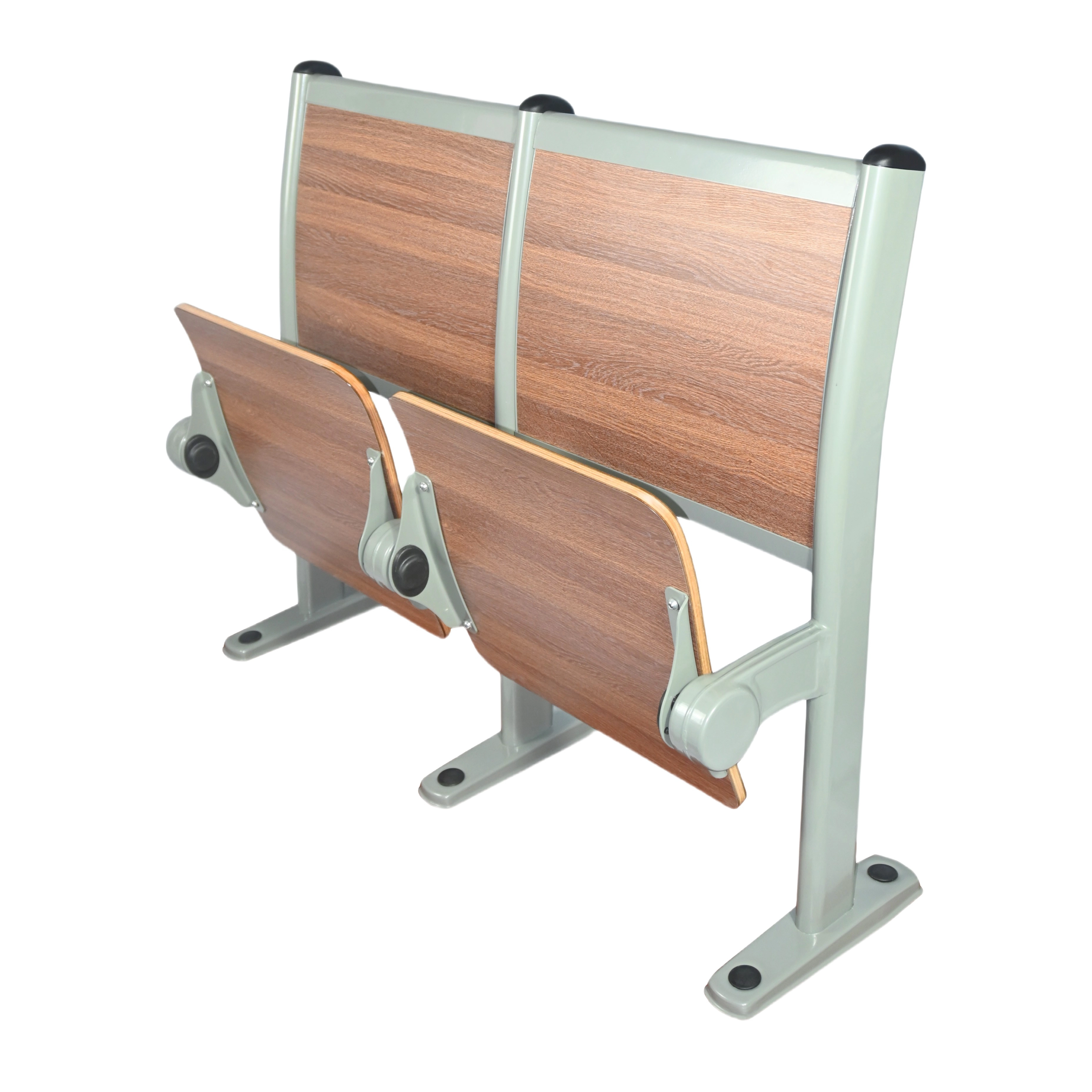
The labor equation is also a counterintuitive driver. The factory employs skilled technicians who program the robotic welders, rather than low-wage assemblers. The training chair sector, traditionally considered a low-tech commodity, is now driving advanced manufacturing jobs. This reshoring is not about protectionism; it’s about agility. When a large tech firm suddenly needs 2,000 chairs for a new reskilling center, the ability to walk the order across a factory floor and resolve quality issues face-to-face is a compelling advantage. As geopolitical tensions make global logistics less predictable, the localized, tech-driven production of the training chair is emerging as a blueprint for the future of commercial furnishings.