





Restoring History: London’s West End Theatres Upgrade Auditorium Seats Without Losing Vintage Charm
Cramped legroom and threadbare velvet have long been part of the West End’s nostalgic appeal, but a sweeping modernization of auditorium seats is proving that comfort and heritage can coexist beautifully — without angering the preservationists.
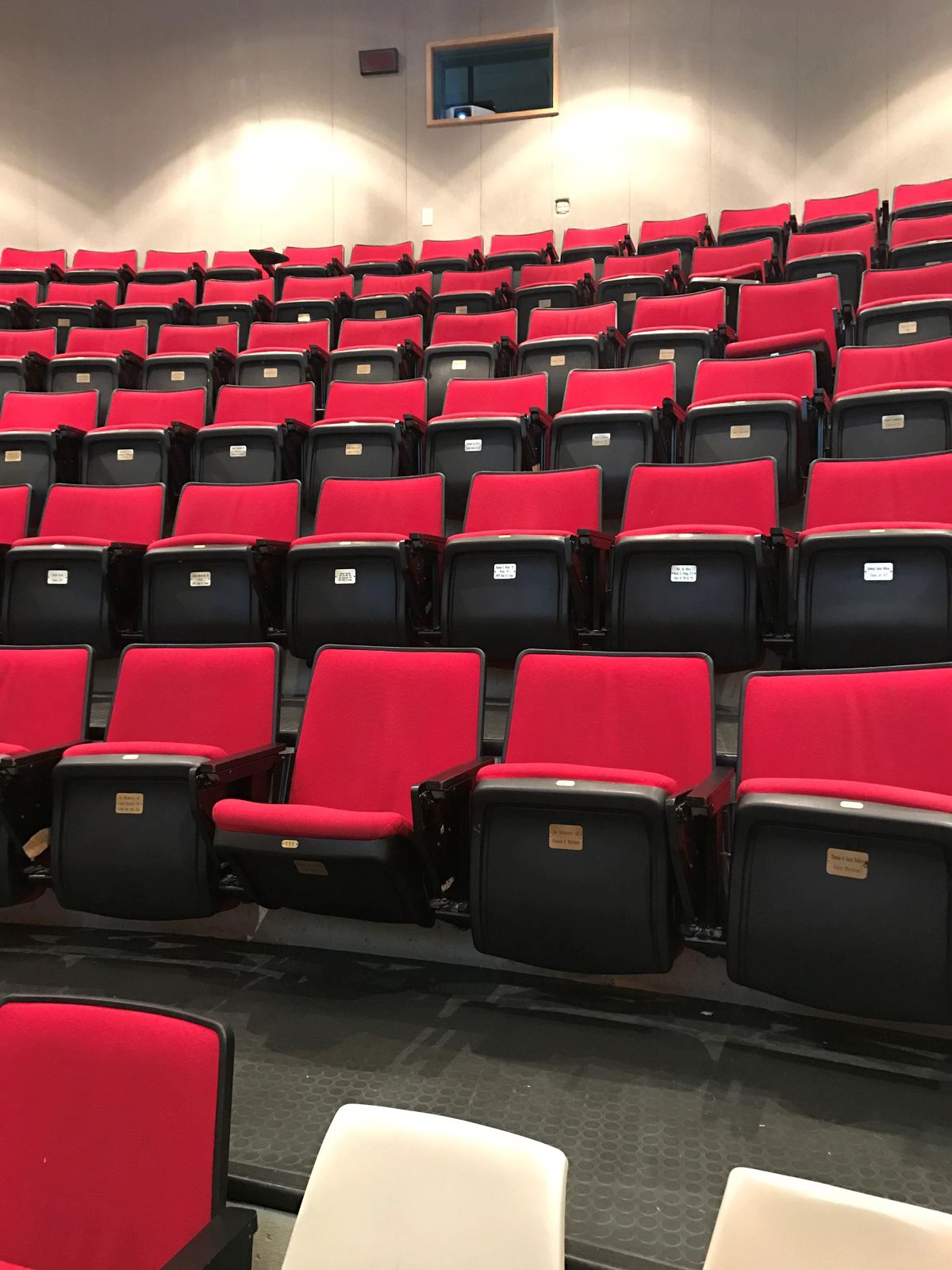
London’s Grade I and II* listed playhouses face an eternal paradox: they must meet contemporary accessibility and comfort expectations while retaining every scrap of historic fabric that defines their character. For decades, replacing worn-out auditorium seats meant agonizing negotiations with heritage bodies, often resulting in compromises that served nobody. Now, a new generation of specialist manufacturers is changing the conversation by creating replica seating that embeds modern ergonomics within hand-carved timber end panels, custom-braided cord detailing, and historically accurate moquette patterns. A recent project at a Victorian theatre on Shaftesbury Avenue saw the installation of 800 meticulously crafted auditorium seats whose silhouette perfectly matches the 1888 originals. Hidden within, however, is a contoured foam sandwich developed with osteopathic consultants, boosting seat depth and lumbar support without altering the external form by a single inch.
The material palette is equally deceptive. Those ornate cast-iron armrest standards, preserved and restored, now conceal vibration-dampening inserts that prevent the metallic clatter that once plagued dramatic pauses. The plush cut-velvet coverings, rewoven on Jacquard looms in Yorkshire to match archival swatches, are treated with an invisible stain-repellent finish that preserves the matte lustre while allowing the front-of-house team to swiftly clean interval spillages. Such bespoke auditorium seats come at a premium; the per-chair cost often exceeds £2,500. Yet producers argue the investment is justified by elevated ticket yields and a dramatic reduction in complaints from patrons who previously dismissed the historic venues as physically punishing experiences. A younger demographic, accustomed to the plush recliners of modern multiplexes, is now returning to the West End explicitly because the seating no longer detracts from the drama.
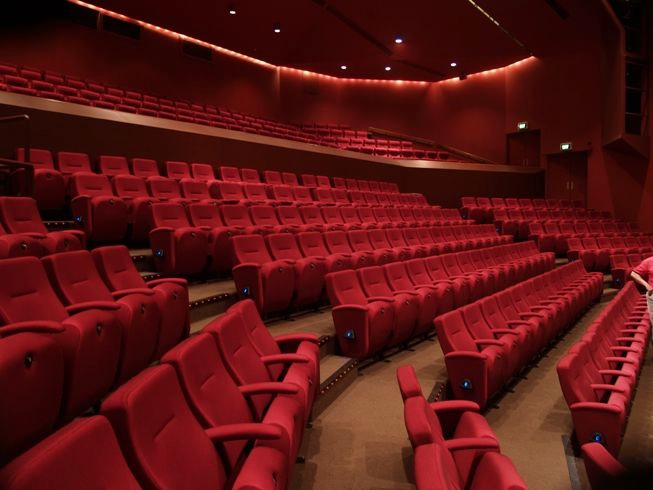
Crucially, these restoration-focused upgrades prioritize demountability and reversibility — a non-negotiable for conservation officers. The new auditorium seats are anchored to the original raked flooring using minimal-intervention fixings, and the entire installation can be removed and the floor restored to its unrestored state without permanent damage. One project even catalogued and stored a representative set of the original 1920s chairs in the theatre’s archive, turning them into a small museum display. This approach offers a template for historic venues globally, from Viennese opera houses to Boston’s colonial-era halls. It demonstrates that the evolution of auditorium seats can be a sensitive dialogue between past and present, securing another century of storytelling in spaces never designed for modern bodies.