





Sydney Opera House Unveils Ergonomically Sculpted Auditorium Seats in $150M Renewal
It is one of the world’s most iconic performance spaces, but for decades, concertgoers have endured notoriously uncomfortable seating. Now, the Sydney Opera House has debuted a radical new design in auditorium seats that matches the building’s architectural genius with world-class comfort.
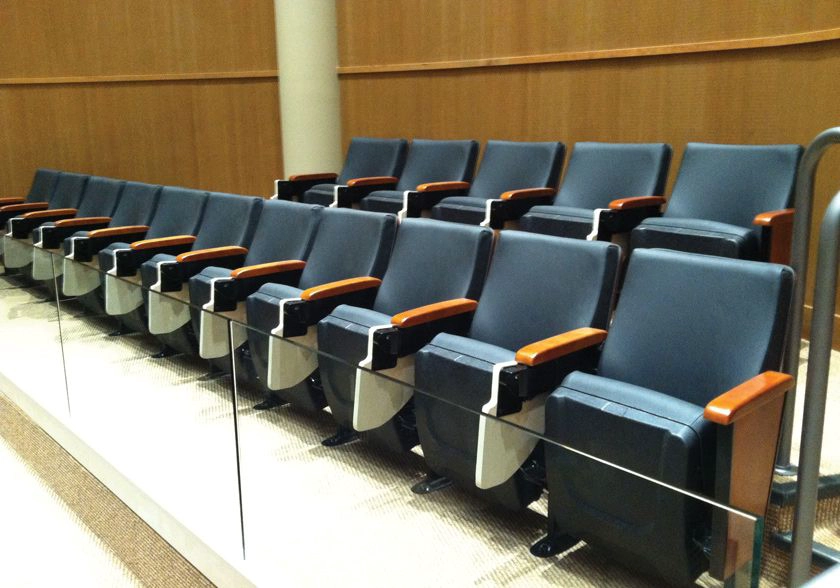
The renewal of the Concert Hall, part of a decade-long capital works program, placed seating at the very center of its acoustic and experiential ambitions. The brief was formidable: create auditorium seats that reduce noise intrusion, optimize sightlines to the newly lowered stage, and provide long-duration comfort for performances stretching past three hours, all while visually harmonizing with Jørn Utzon’s masterwork. The winning design, developed by an Australian-Italian consortium, features a sculpted shell of solid American white ash that echoes the building’s famous sail geometry in miniature. Each of the 2,600 new auditorium seats is slightly wider than its predecessor, with a carefully calibrated pivot that allows patrons to shift posture silently, eliminating the creaks that once plagued quiet passages in Mahler symphonies.
The ergonomic breakthrough lies in the seat’s patented “active sling” construction. Instead of a traditional rigid base, the upholstered pan is suspended on a tensioned membrane that dynamically distributes pressure points as the occupant moves. Venous return in the thighs is measurably improved compared to the flat-pan seats of old, a crucial factor for a venue whose audience demographic skews older. The acoustic design team also collaborated on these auditorium seats to ensure that their absorption coefficient remains consistent whether the hall is empty or fully occupied. Traditional overstuffed chairs can deaden a room during rehearsals, misleading conductors. The Opera House’s solution uses a micro-perforated leather surface over an absorptive core that mimics the acoustic presence of a human body, making the unoccupied seating acoustically transparent — a technical feat that has drawn interest from concert hall managers worldwide.
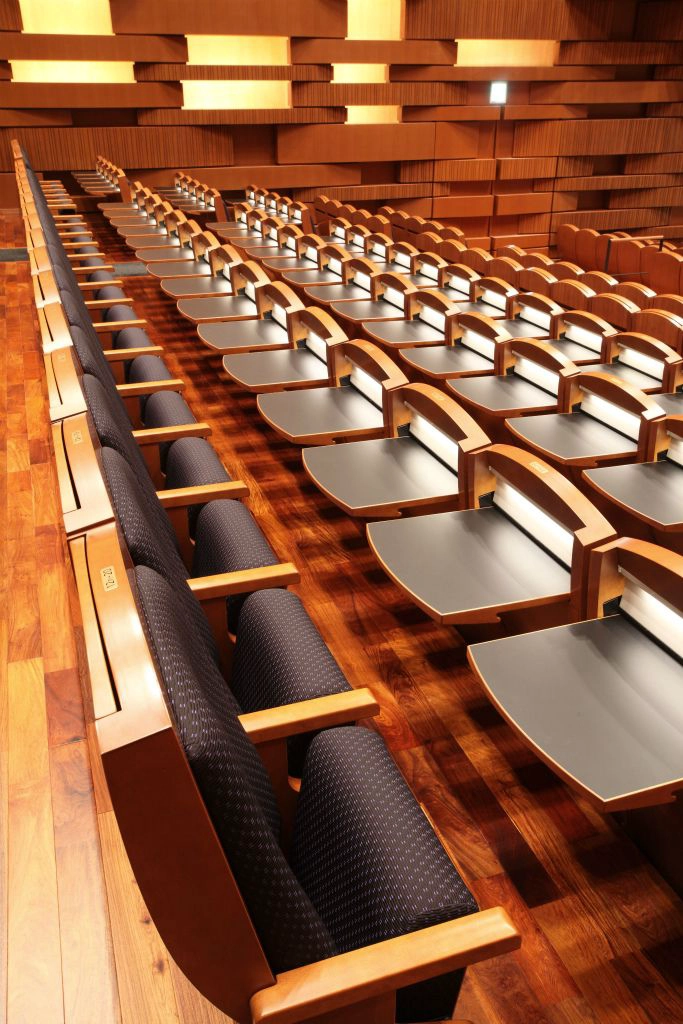
From a fabrication standpoint, the project prioritized local craftsmanship. The timber shells were steam-bent and finished in New South Wales, while the upholstery was hand-stitched using Australian merino wool blends dyed in a bespoke eucalypt green. The Opera House expects these new auditorium seats to serve for at least 35 years, with a modular construction that permits individual components — an armrest, a back shell — to be refurbished without removing entire rows. Early reviews from patrons describe a transformative difference: the seat disappears, leaving only the music. For a building that changed the course of 20th-century architecture, the introduction of thoughtfully engineered auditorium seats marks a quiet but profound maturation, finally completing the sensory circle that Utzon began.