





Robotics Welding and AI Optimization: The Ultra-Efficient Factory Producing a School Desk and Chair Every 90 Seconds
The logistics of furnishing a nation’s schools are staggering. A new, fully automated factory in Vietnam, designed by a leading global manufacturer, now produces a completed school desk and chair every minute and a half, using AI to optimize every weld, cut, and powder coat for maximum strength with minimum material.
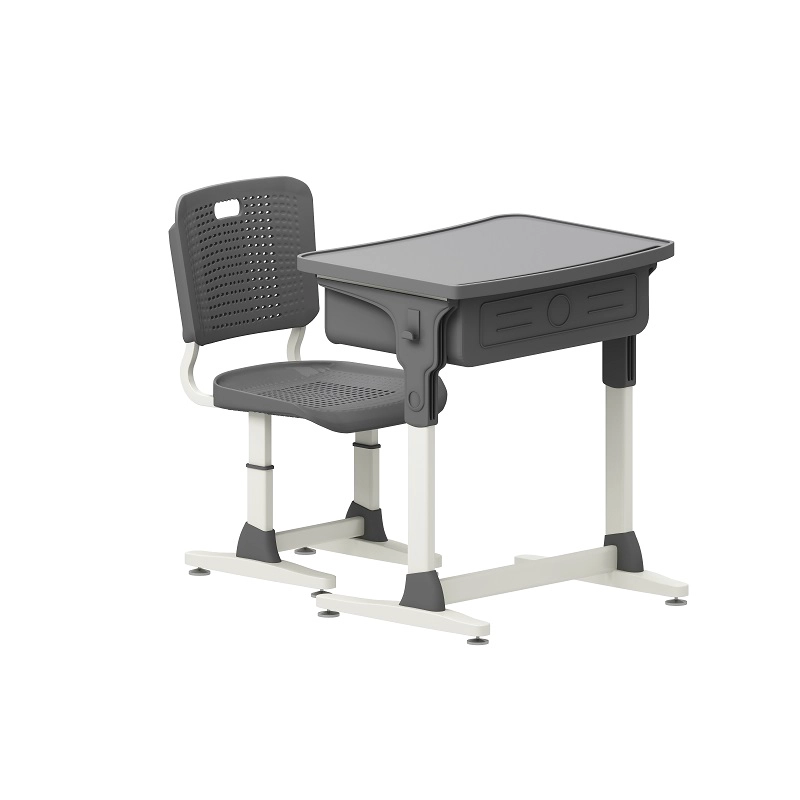
The sheer volume of the global school furniture market — estimated in the hundreds of millions of units — demands manufacturing solutions that transcend traditional batch production. The "Lights-Out" facility, so named because it can run for extended periods without human intervention, represents the state of the art. Coils of steel enter at one end of the factory and are automatically unrolled, straightened, and laser-cut into precise frame components. Robotic arms then transfer these parts to welding cells where AI vision systems inspect each joint in real time, adjusting the weld parameters to account for minute variations in steel thickness. The frames are then powder-coated in a fully enclosed electrostatic chamber that reclaims overspray, achieving near-zero waste. Simultaneously, in the polymer division, the polypropylene shells for the school desk and chair are injection-molded and robotically de-flashed.
What makes this school desk and chair factory revolutionary is not just speed, but mass customization. The AI-driven production line can switch between five different desk sizes and eight colorways without stopping for retooling. A purchase order for a school district specifying 500 units of a left-handed desk in a custom district blue can be inserted into the production queue and fulfilled within hours, alongside an order for standard right-handed desks. This agility eliminates the need for massive warehousing. The finished school desk and chair is assembled, inspected by a final AI camera array for any cosmetic defects, and then packaged in a flat-pack box optimized by an algorithm to minimize volume and maximize shipping container density. This cuts freight costs significantly, a critical factor for a product with a low value-to-volume ratio.
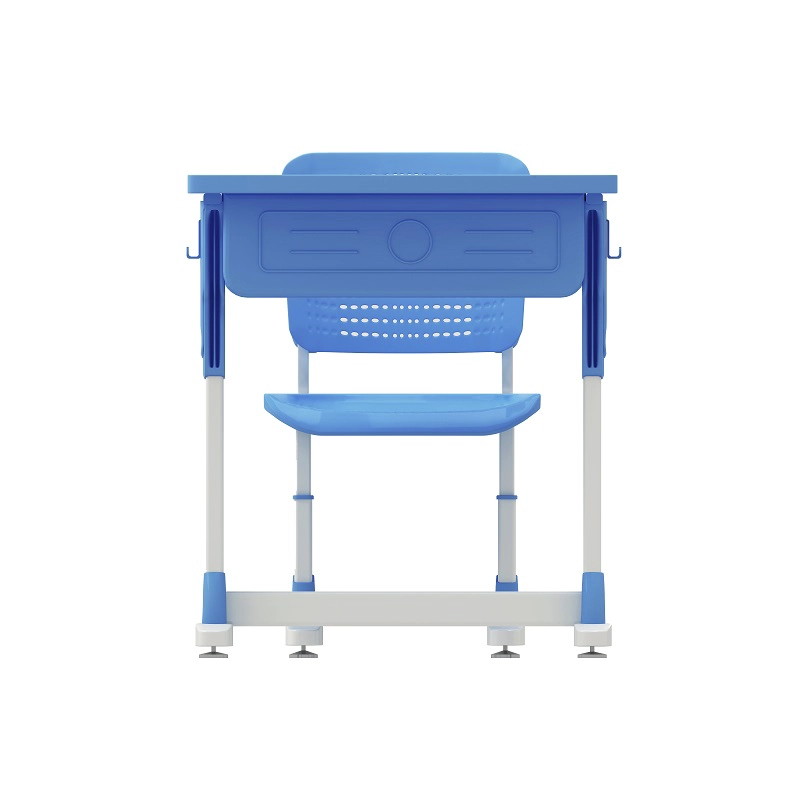
The human role in this factory is oversight, maintenance, and continuous improvement engineering. The workforce is smaller but highly skilled. The sustainability benefits are substantial: the precision of robotic manufacturing reduces material waste by 30% compared to manual processes, and the energy efficiency of the optimized line lowers the carbon footprint of each school desk and chair. For developing nations rolling out massive school-building programs, the ability to order a fleet of a hundred thousand chairs and have them delivered precisely on time, within a tight budget, is transformative. The ultra-efficient factory is democratizing access to high-quality, durable school furniture by making it faster and cheaper to produce than ever before, without the quality compromises and labor concerns often associated with low-cost manufacturing.