





Carbon Footprint Labeling: The School Desk and Chair That Declares Its Environmental Cost
Imagine if every chair in a classroom came with a nutrition-style label, not for calories, but for kilograms of CO2 emitted, liters of water consumed, and percentage of recycled content. A pioneering German manufacturer has become the first in the world to publish a full "Environmental Product Declaration" for its entire school desk and chair range.
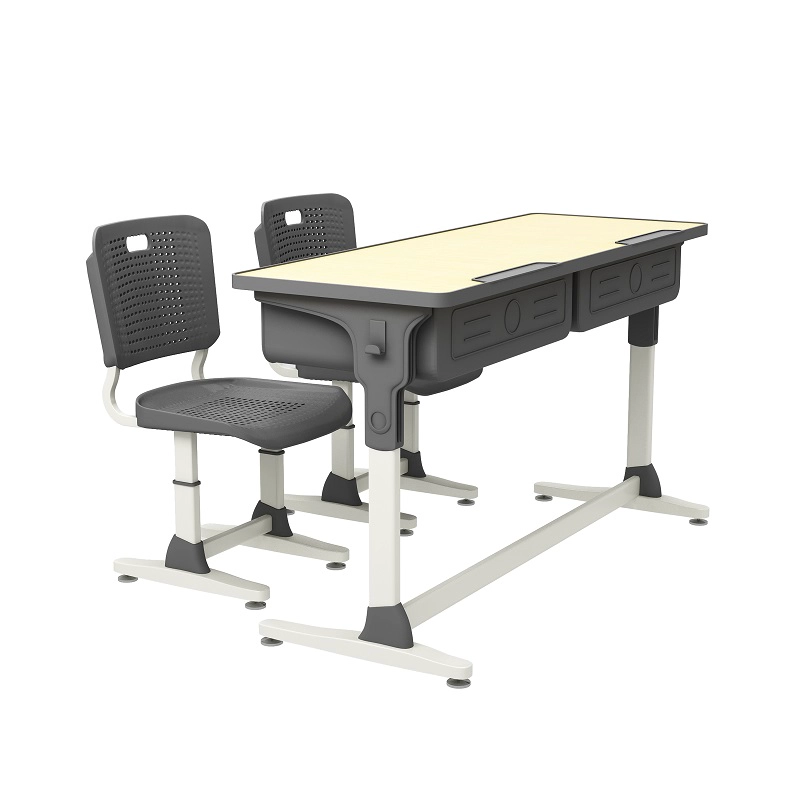
The greenwashing of the furniture industry has created a fog of vague claims — "eco-friendly," "sustainable," "natural." Procurement officers for public school systems, increasingly bound by strict carbon reduction mandates, need hard, auditable data to make compliant purchasing decisions. The "Transparent Classroom" initiative by a Bauhaus-influenced manufacturer puts a QR code on the underside of every desk and the backrest of every chair. Scanning it leads to a fully detailed, third-party-verified Environmental Product Declaration (EPD) that breaks down the lifecycle impacts of that specific school desk and chair: the carbon emitted in extracting the iron ore for the frame, the water used in the textile dyeing, the energy consumed in the injection molding plant, and the projected end-of-life recycling rate. This level of radical transparency is unprecedented in the K-12 sector.
The data has forced some uncomfortable conversations. The EPD reveals that the steel frame is the single largest contributor to the carbon footprint of a standard school desk and chair. In response, the manufacturer has switched to a supplier using an electric arc furnace powered by renewable energy, reducing the frame's embodied carbon by 55%. The label also tells a positive story: the polypropylene shell contains 40% post-industrial recycled content, and the packaging is entirely plastic-free, using molded pulp inserts that can be composted or pulped with the school’s paper waste. For a school district that is itself teaching students about climate change and sustainability, the labeled school desk and chair becomes a tangible, local example of how supply chains and consumer choices connect to global carbon cycles. Lessons can be built around reading the label and mapping the journey of the materials.
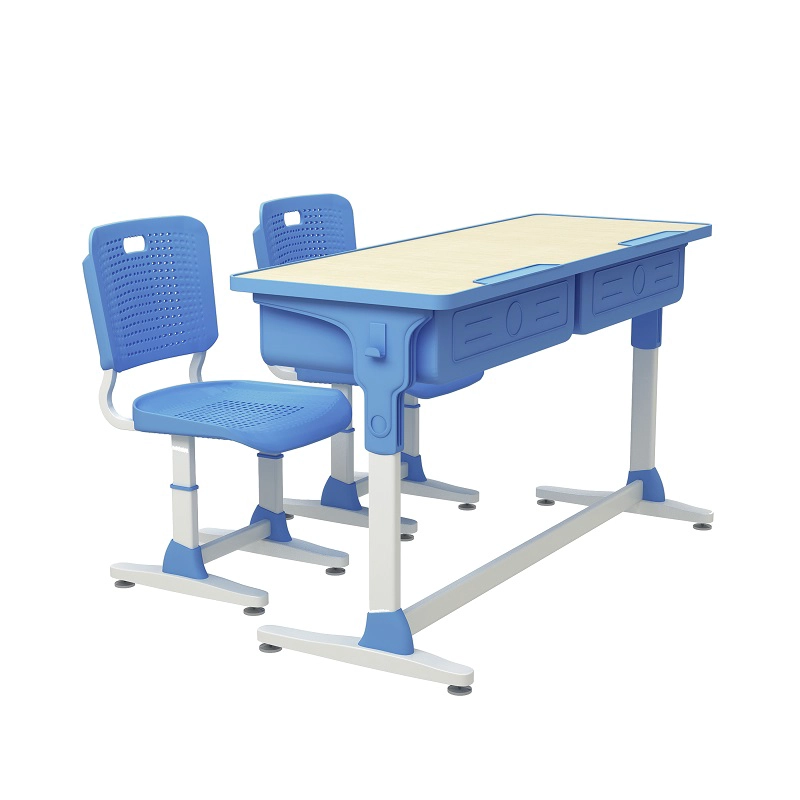
The market response has been fascinating. Early adopter schools, often in environmentally progressive municipalities in Scandinavia and the Pacific Northwest, are using the EPD data to calculate the furniture component of their Scope 3 emissions. The labeled school desk and chair has become a procurement preference, effectively a non-tariff barrier against cheaper imports that do not provide this level of data transparency. It shifts the conversation from lowest unit price to lowest lifecycle environmental cost. Other manufacturers are scrambling to produce their own EPDs, sensing that carbon literacy will soon be a minimum requirement for selling into the European and North American public sectors. The humble classroom chair is becoming a battleground for the soul of sustainable consumption, with the barcode on the back acting as a silent, precise, and unforgiving auditor of industrial impact.