





Smart Auditorium Seats Gain Traction in North America, IoT Integration Enhances Venue Efficiency
Smart technology is transforming the auditorium seats industry in North America, with an increasing number of venues adopting IoT-enabled auditorium seats that enhance audience experience and improve venue operational efficiency. These smart seats, which are equipped with sensors, wireless charging, and real-time data analytics, are revolutionizing the way venue operators manage their spaces, allowing them to monitor seat occupancy, adjust environmental conditions, and provide personalized services to attendees. This trend is driven by the growing demand for a more seamless and engaging audience experience, as well as the need for venue operators to improve operational efficiency and reduce costs.
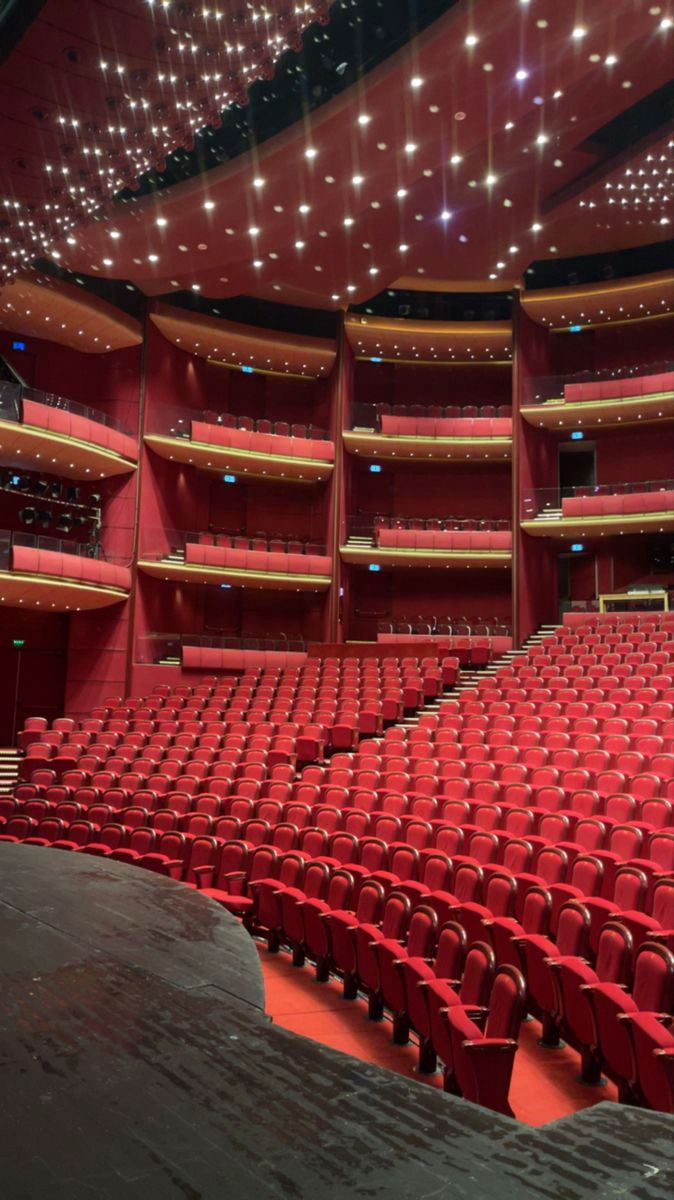
Smart auditorium seats are equipped with a range of IoT sensors that collect data on seat occupancy, temperature, and humidity, providing venue operators with real-time insights into how their space is being used. This data can be used to optimize seating arrangements, adjust air conditioning and lighting, and reduce energy consumption. For example, if a section of the auditorium is unoccupied, the venue can reduce lighting and air conditioning in that area, lowering energy costs. The data can also be used to identify peak occupancy times, allowing venue operators to adjust staffing levels and improve crowd management.
Another key feature of smart auditorium seats is wireless charging, which allows attendees to charge their mobile phones and other devices while attending events. This feature has become increasingly popular among modern audiences, who rely heavily on their devices for communication and entertainment. Many smart auditorium seats also feature integrated sound systems, allowing attendees to adjust the volume of the event or listen to audio in different languages, enhancing the overall experience. Some seats even offer personalized content, such as event schedules and speaker bios, which can be accessed via a mobile app connected to the seat.
North American venues that have adopted smart auditorium seats are reporting significant benefits, including improved audience satisfaction and reduced operational costs. The Kauffman Center for the Performing Arts in Kansas City, Missouri, for example, has installed smart auditorium seats that allow attendees to order food and beverages directly from their seats, reducing wait times and improving the overall experience. The venue has also seen a 15% reduction in energy costs due to the IoT sensors that optimize environmental conditions.
Leading North American manufacturers of auditorium seats are investing heavily in smart technology, developing innovative products that meet the evolving needs of venue operators and audiences. Hussey Seating Company has launched a line of smart auditorium seats that feature IoT sensors, wireless charging, and integrated sound systems, while Irwin Seating Company has developed seats with real-time data analytics capabilities, allowing venue operators to track audience behavior and preferences.
The adoption of smart auditorium seats is also being driven by the growing popularity of multi-purpose venues, which require flexible seating solutions that can be adapted to different events. Smart seats can be reconfigured quickly and easily, allowing venues to host a wide range of events—from concerts and lectures to conferences and product launches. The IoT sensors also provide venue operators with valuable data on how the space is used, helping them make informed decisions about future events and renovations.
Industry analysts note that the market for smart auditorium seats in North America is expected to grow at a CAGR of more than 7% in the next five years, as more venues seek to enhance their audience experience and improve operational efficiency. The integration of AI and machine learning into smart seats is also expected to drive innovation, with seats becoming more personalized and responsive to attendee needs. For example, AI-powered auditorium seats could soon be able to adjust the seat position and temperature based on the attendee’s preferences, further enhancing comfort.

While the adoption of smart auditorium seats presents challenges, such as higher upfront costs and the need for technical expertise, the benefits far outweigh the drawbacks. Venue operators that invest in smart seats are likely to gain a competitive edge, as they can offer a more seamless and engaging experience for attendees, while also reducing operational costs. As smart technology continues to evolve, auditorium seats will become more intelligent, personalized, and efficient, transforming the way we experience public events.