





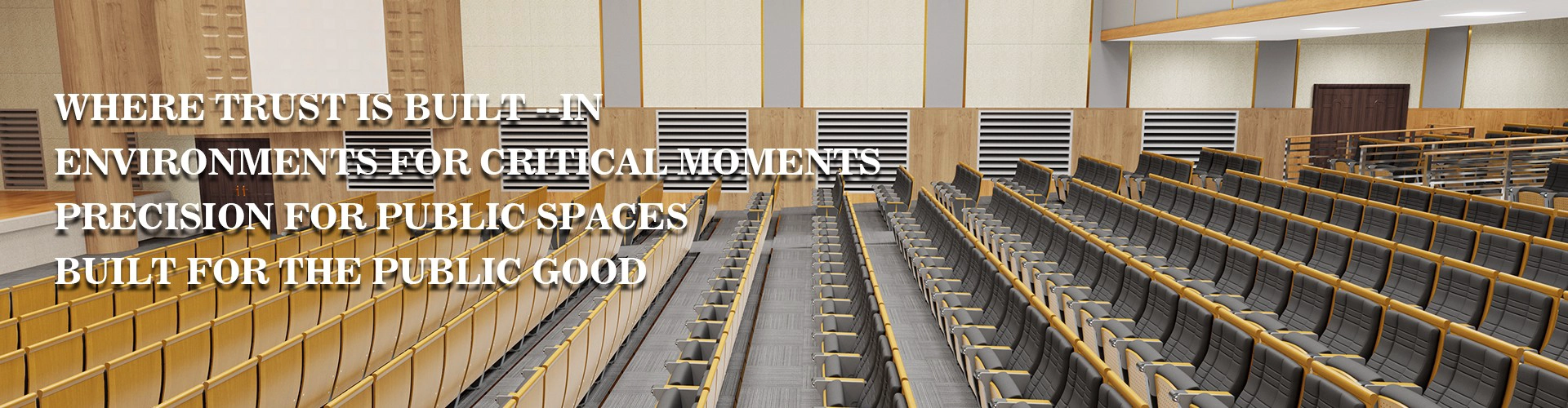
Middle East Cultural Venue Boom Drives Demand for Premium Auditorium Seats, International Manufacturers Compete
he Middle East region is experiencing a cultural venue construction boom, with countries such as the United Arab Emirates, Saudi Arabia, and Qatar investing billions of dollars in building new theaters, concert halls, and conference centers. This boom has created a massive demand for premium auditorium seats, as venue operators seek to create world-class facilities that attract international artists and audiences. International manufacturers from Europe, North America, and Asia are competing fiercely for market share, offering high-quality, customized auditorium seats that meet the region’s unique needs, including durability in harsh climates and adherence to strict aesthetic standards.
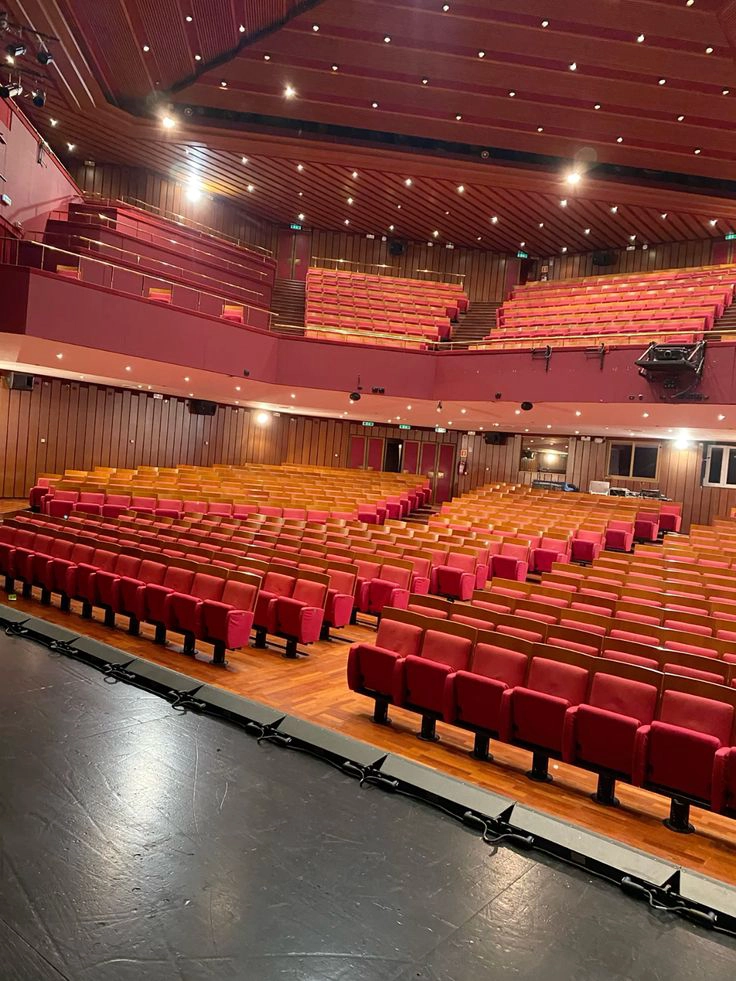
Saudi Arabia, which is undergoing a major cultural transformation as part of its Vision 2030 initiative, is leading the demand for auditorium seats in the Middle East. The country is currently building several new cultural venues, including the King Abdullah Financial District (KAFD) Opera House in Riyadh and the Jeddah Cultural Center, which will require thousands of premium auditorium seats. These venues are designed to host international performances, conferences, and events, and require auditorium seats that are not only comfortable and durable but also aesthetically pleasing, reflecting the region’s rich cultural heritage.
The United Arab Emirates is also a key market for auditorium seats, with Dubai and Abu Dhabi investing in new cultural facilities. The Dubai Opera, which opened in 2016, has recently announced plans to expand its seating capacity, requiring additional premium auditorium seats. The Abu Dhabi Cultural Foundation, which is undergoing a major renovation, is also seeking high-quality auditorium seats that blend modern design with traditional Arabic aesthetics. These venues are looking for auditorium seats that are durable, comfortable, and equipped with the latest technology, such as integrated sound systems and adjustable lighting.
International manufacturers are responding to the Middle East’s demand by offering customized auditorium seats that meet the region’s unique requirements. Ferco Seating Systems, for example, has developed a range of auditorium seats specifically designed for the Middle East’s harsh climate, featuring heat-resistant materials and UV protection to prevent fading and damage. The seats are also designed to be easy to clean, a key requirement for venues in the region. Audience Systems has also expanded its presence in the Middle East, offering customized auditorium seats for cultural venues, including the Qatar National Convention Center in Doha.
One of the key challenges for manufacturers operating in the Middle East is meeting the region’s strict aesthetic standards. Venue operators in the Middle East often require auditorium seats that feature intricate designs, luxurious materials, and custom colors that reflect the region’s cultural heritage. Manufacturers are responding by offering a range of customization options, including embroidered upholstery, gold accents, and traditional patterns, ensuring that the auditorium seats blend seamlessly with the venue’s interior design.
The Middle East’s cultural venue boom is also driving demand for smart auditorium seats, which are equipped with features such as wireless charging, IoT sensors, and real-time data analytics. These features allow venue operators to monitor seat occupancy, adjust lighting and temperature, and improve overall operational efficiency. For example, the Qatar National Convention Center has installed smart auditorium seats that allow attendees to order food and beverages directly from their seats, enhancing the overall experience.
Industry analysts note that the Middle East is set to become one of the fastest-growing markets for auditorium seats in the coming years, as the region continues to invest in cultural infrastructure. International manufacturers that can adapt to the region’s unique needs, including climate, aesthetics, and technology requirements, are likely to gain a competitive edge. The boom is also creating opportunities for local manufacturers, who are partnering with international companies to develop auditorium seats that meet the region’s standards.
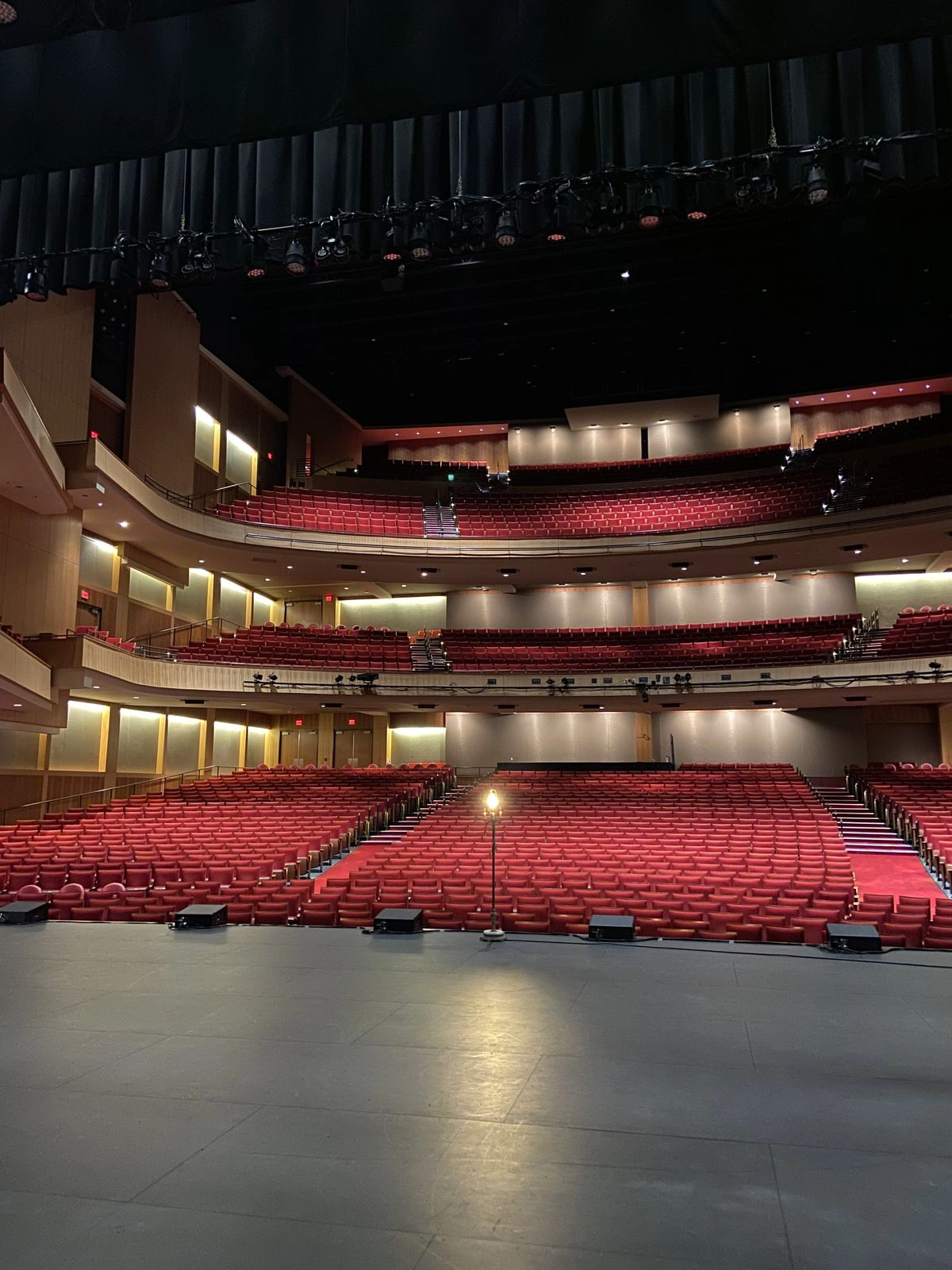
Looking ahead, the demand for premium auditorium seats in the Middle East is expected to continue growing, as the region’s cultural venues seek to establish themselves as world-class destinations. With ongoing investments in new facilities and renovations, the Middle East is set to become a key market for the global auditorium seats industry, driving innovation and growth.