





Southeast Asia’s Urbanization Drives 28% Jump in Waiting Chair Imports in 2025
JAKARTA — Southeast Asia is undergoing a massive wave of urbanization, with millions of people moving to cities every year, and that is driving a boom in the waiting chair industry. New data from the ASEAN Furniture Federation has found that imports of waiting chairs to the region have jumped by 28% in 2025, as countries build new hospitals, airports, and public transit systems to accommodate their growing urban populations.
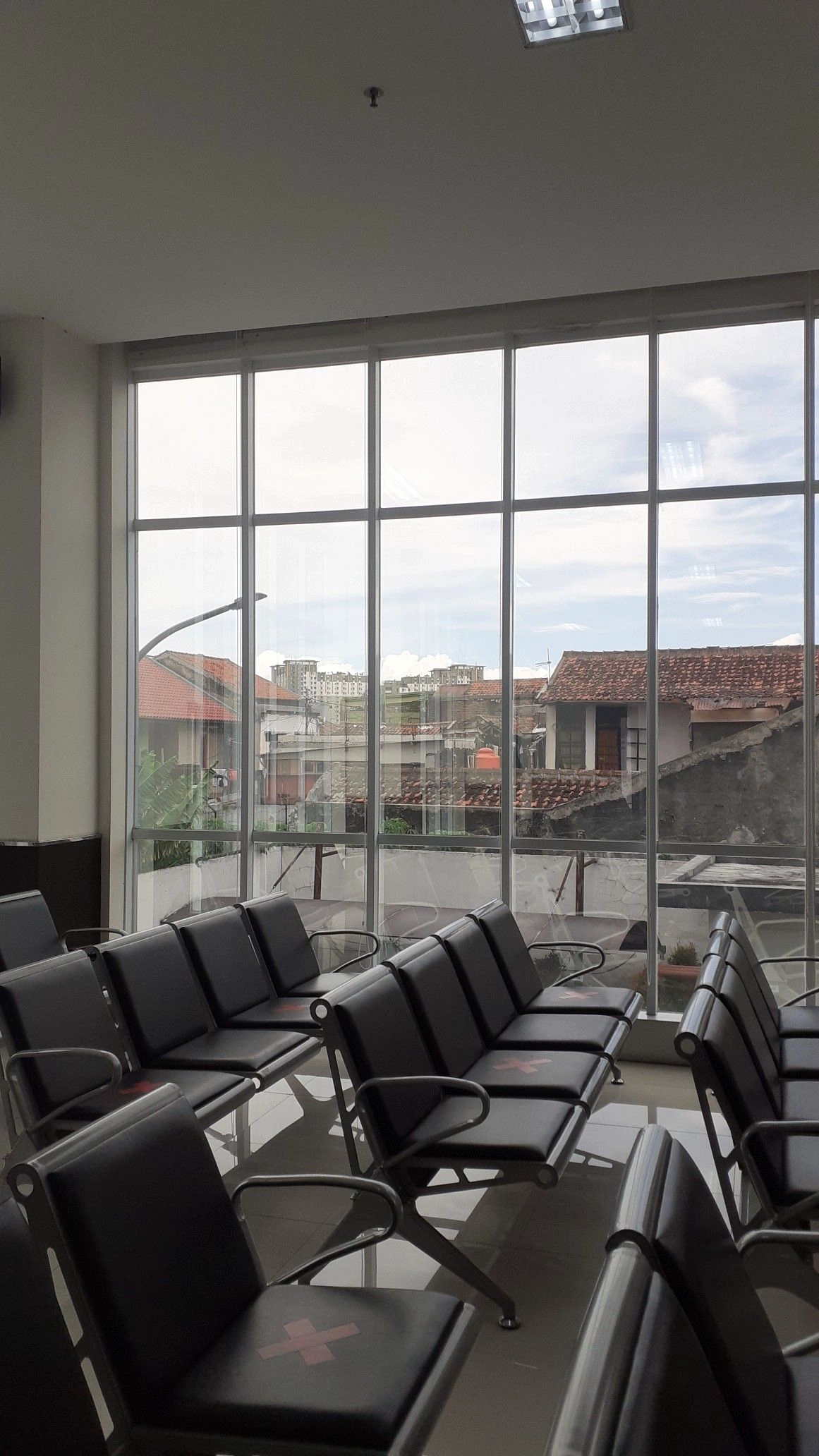
The data shows that imports of waiting chairs to the region reached 336 million in the same period last year. The biggest growth has been in Indonesia, where imports have grown by 35%, followed by Vietnam, where imports have grown by 32%, and the Philippines, where imports have grown by 29%.
“ Southeast Asia is urbanizing faster than any other region in the world, and that means we need to build a lot of new public infrastructure,” said Nguyen Van Minh, secretary-general of the ASEAN Furniture Federation. “We’re building new hospitals, new airports, new train stations, new government offices, and all of these spaces need waiting chairs. That’s why we’re seeing such a huge jump in imports.”
The growth is being driven by a range of large-scale infrastructure projects across the region. In Indonesia, the government is building the new capital city of Nusantara, which will require more than 20,000 waiting chairs for government offices, hospitals, and public transit stations. In Vietnam, the government is expanding its Ho Chi Minh City and Hanoi metro systems, which will require thousands of waiting chairs for the new stations.
In the Philippines, the government is expanding Manila’s Ninoy Aquino International Airport, adding a new terminal that will require 10,000 new waiting chairs. And in Thailand, the government is upgrading its hospitals across the country, as part of its universal healthcare program, which is driving demand for medical waiting chairs.
The demand is not just for basic row chairs, either. As the region’s middle class grows, consumers are demanding more comfortable, feature-rich waiting chairs, with ergonomic design, charging ports, and sustainable materials. That means that imports of premium waiting chairs are growing even faster than imports of low-cost models, with premium imports growing by 42% over the past year.
“ As the middle class grows, people’s expectations are growing too,” said Van Minh. “They don’t want the old, stiff, metal row chairs anymore. They want comfortable, modern waiting chairs, that make the waiting experience better. That’s why we’re seeing such a big increase in imports of premium products.”
Most of the imports are coming from China, which accounts for 65% of the region’s waiting chair imports, thanks to its large manufacturing capacity and competitive prices. But other countries are also starting to export to the region, including Malaysia, Vietnam, and even European and American brands, which are seeing growing demand for their high-end products.
“ China is the biggest supplier right now, because they can produce high-quality waiting chairs at competitive prices,” said Van Minh. “But we’re also seeing more regional manufacturers entering the market, as the demand grows. And luxury brands from Europe and the US are also starting to enter the market, to serve the growing demand for premium products.”
The surge in imports has also led to a boom in the regional waiting chair manufacturing industry, as local manufacturers look to meet the growing demand. Over the past two years, more than 50 new waiting chair manufacturing factories have opened across Southeast Asia, mostly in Vietnam and Indonesia, to serve the local market.
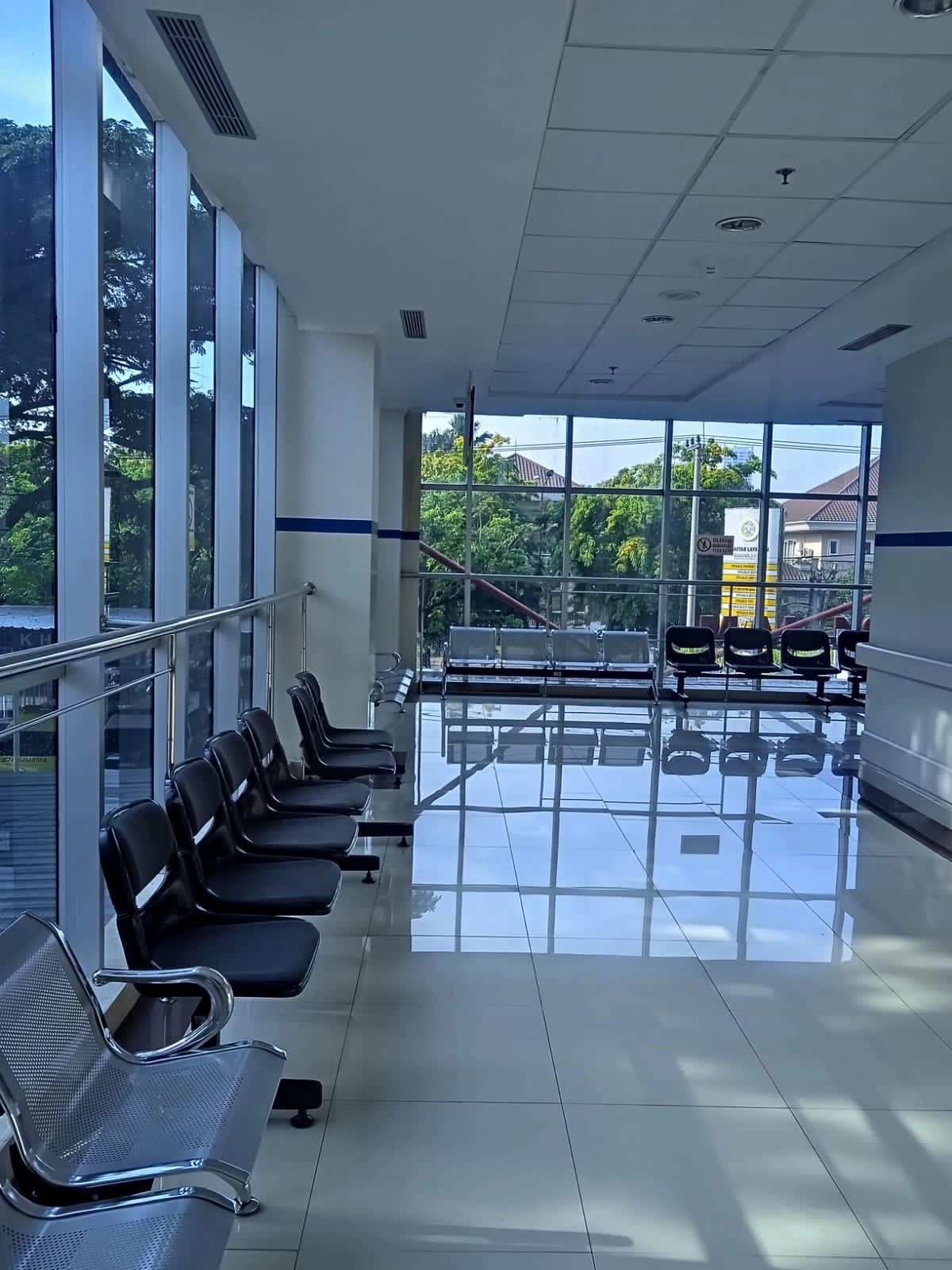
“ The demand is growing so fast that local manufacturers can’t keep up, which is why imports are growing so much,” said Van Minh. “But over time, we expect local manufacturing to grow, to meet the demand. Southeast Asia is going to be a major player in the global waiting chair industry over the next decade.”
According to industry analysts, the demand for waiting chairs in Southeast Asia is set to continue growing over the next decade, as the region’s urbanization continues. By 2030, analysts predict that the region will account for more than 15% of the global waiting chair market, up from just 9% in 2024.
“ Southeast Asia is the next big growth market for the waiting chair industry,” said Van Minh. “The urbanization, the growing middle class, the infrastructure investments—all of these factors are coming together to create a huge opportunity for our industry.”