






UK Government Offices Roll Out New Accessible Waiting Chairs as Part of Civil Service Reform
LONDON — The UK government this week announced that it is rolling out new accessible waiting chairs to all government offices across the country, as part of a broader reform of the civil service to make public services more accessible and inclusive for all citizens.
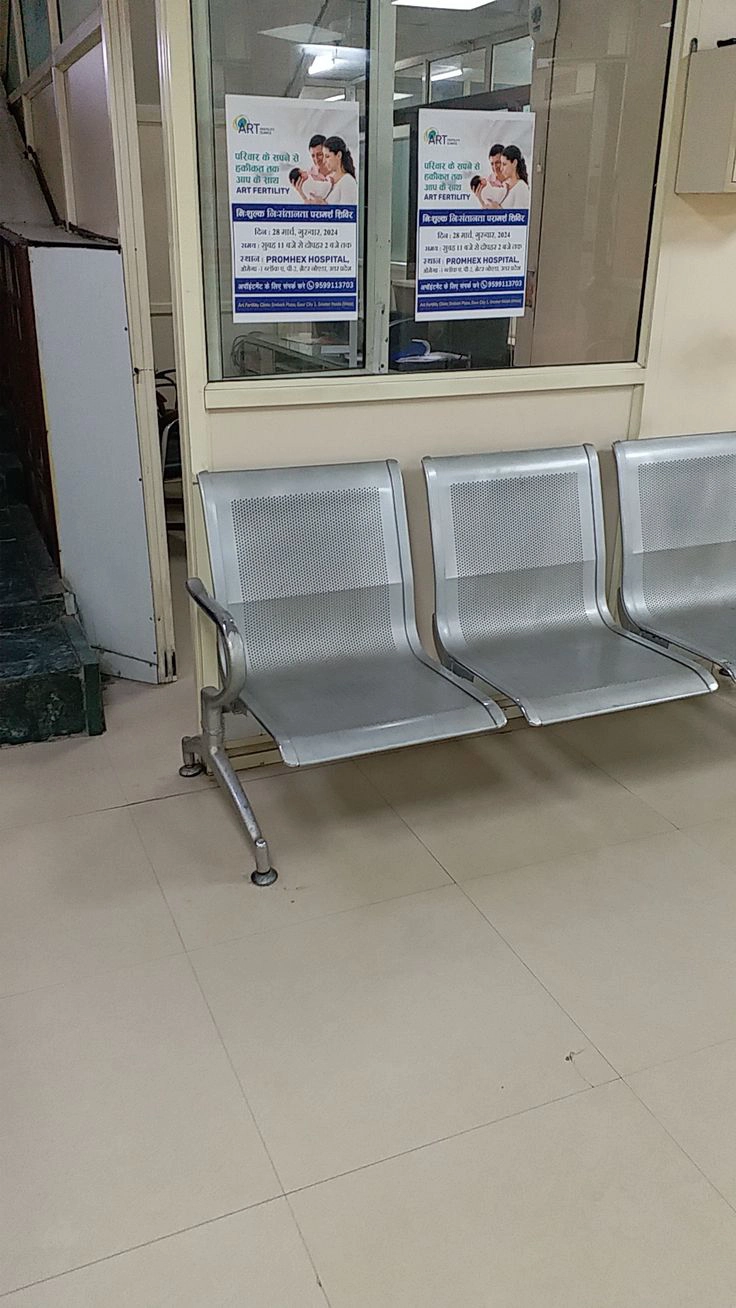
The new chairs, which have been designed specifically for disabled and elderly citizens, feature lower seat heights, wider armrests, extra support, and space for guide dogs and wheelchairs, making it easier for people with disabilities to access public services. The government is investing £25 million in the rollout, which will see more than 50,000 new waiting chairs installed in job centers, tax offices, and other government facilities over the next year.

“ For too long, disabled and elderly citizens have had to deal with government offices that weren’t designed for them,” said Chloe Smith, Minister for the Cabinet Office. “Waiting chairs that are too low, that don’t have the support they need, that make it hard for them to sit down and stand up. That’s not acceptable. We want our public services to be accessible for everyone, no matter what their needs are, and that starts with small things like accessible waiting chairs.”
The rollout is part of the government’s new Inclusive Public Services strategy, which aims to remove barriers to access for disabled and elderly citizens. The strategy includes a range of measures, from accessible digital services to physical upgrades to government buildings, and the new waiting chairs are a key part of that.
The government has been testing the new chairs in 20 pilot offices over the past six months, and the feedback has been overwhelmingly positive. Disabled citizens who used the chairs said that they made it much easier for them to access public services, reducing the stress and frustration of visiting a government office.
“ I have arthritis, and it’s really hard for me to stand up from low chairs,” said Karen Jones, a citizen from Manchester who used the pilot chairs at her local job center. “Before, I would often have to stand up the whole time I was waiting, because I couldn’t get up from the chairs. But now, these new accessible waiting chairs are perfect—they’re the right height, and the armrests help me stand up. It makes such a big difference.”
Elderly citizens have also been praising the new chairs, saying that they make waiting for appointments much more comfortable. “I’m 78, and I have bad knees,” said Bob Thompson, a pensioner from London. “Waiting for a meeting with my pension advisor used to be so painful, because the chairs were so uncomfortable. But these new chairs are so comfortable, and they help me stand up easily. It’s made going to the government office so much less stressful.”
The rollout is also part of the government’s effort to meet the UN Convention on the Rights of Persons with Disabilities, which requires that public services be accessible to all citizens. The UK has been working to improve accessibility in public buildings, and the new waiting chairs are a key step in that process.
“ Accessibility isn’t just a nice-to-have—it’s a right,” said Smith. “Every citizen should be able to access public services, without having to worry about whether the building is accessible, or whether the chairs are going to be too low for them. These new waiting chairs are a small step, but they’re an important one, towards making our public services truly inclusive.”
The government is also working to train its staff to better support disabled citizens, with new training programs that teach staff how to assist people with different types of disabilities. The goal is to ensure that every citizen has a positive experience when they visit a government office, no matter what their needs are.
According to the UK’s Disability Rights Commission, the rollout of accessible waiting chairs will help to reduce the number of disabled citizens who avoid accessing public services because of accessibility barriers. The commission estimates that more than 1.5 million disabled citizens have avoided visiting a government office in the past year, because of issues like inaccessible seating.
“ This rollout is going to make a huge difference for disabled citizens across the country,” said Mark Harper, chief executive of the Disability Rights Commission. “Small things like accessible waiting chairs can remove a huge barrier, and make it easier for people to access the services they need. It’s great to see the government taking this step.”