





Sustainable Seating: The Race to Build a Biodegradable Training Chair
Plastic chairs that sit in landfills for centuries are a growing scandal in the furniture industry. Now, a materials science lab in Sweden has cracked the code for a training chair that can be composted at the end of its life—without sacrificing an ounce of strength.
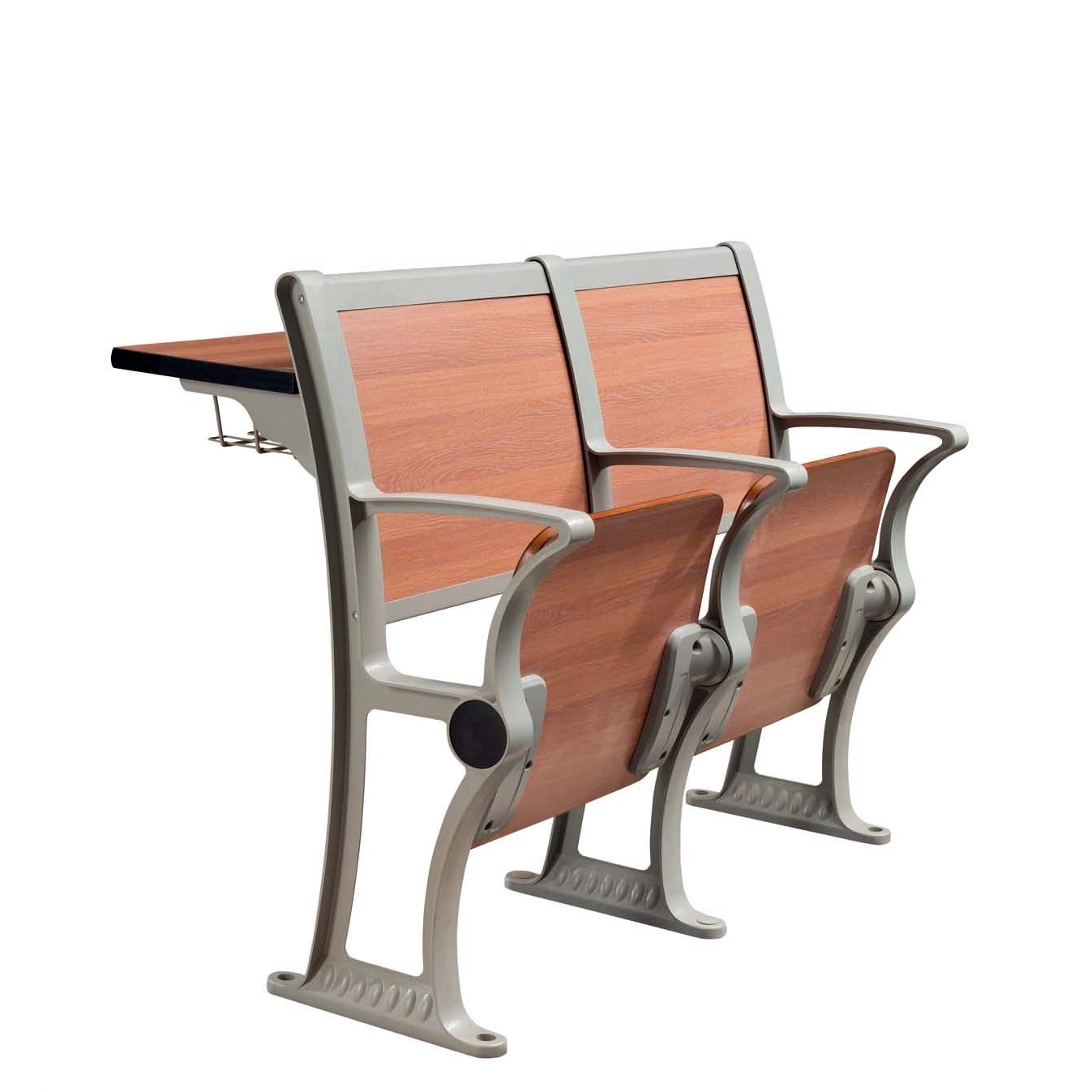
The standard mass-market training chair is a marvel of petrochemical engineering: a polypropylene shell molded around a steel tube frame, bonded to polyurethane foam. The problem is that this hybrid construction is almost impossible to recycle, making the short lifecycle of cheap institutional furniture an environmental disaster. A consortium of Scandinavian designers, however, has just unveiled a radical alternative. Their new training chair uses a shell injection-molded from a wood-based bioplastic derived from sustainably managed forests. Unlike first-generation bioplastics that warped under heat, this new cellulose-based material withstands temperatures up to 110°C, meaning a training chair left in a sunny classroom won’t deform. The frame uses ash wood offcuts steam-bent into continuous curves, relying on traditional joinery instead of metal bolts, drastically reducing the carbon footprint.
The really groundbreaking feature of this eco-friendly training chair lies beneath the seat: a fully compostable foam cushion. Made from a latex extracted from the guayule plant, the foam offers the same support as synthetic rubber but can be stripped from the shell and broken down in an industrial compost facility within six months. The upholstery, woven from flax fibers, does not use a synthetic backing and is dyed with non-toxic algae-based pigments. For educational institutions and corporate campuses with aggressive net-zero targets, specifying this kind of training chair provides a tangible, visible symbol of their commitment. Architects are already writing the material specifications into bid documents, demanding that any training chair supplied must carry a strict Cradle to Cradle Gold certification to be considered.
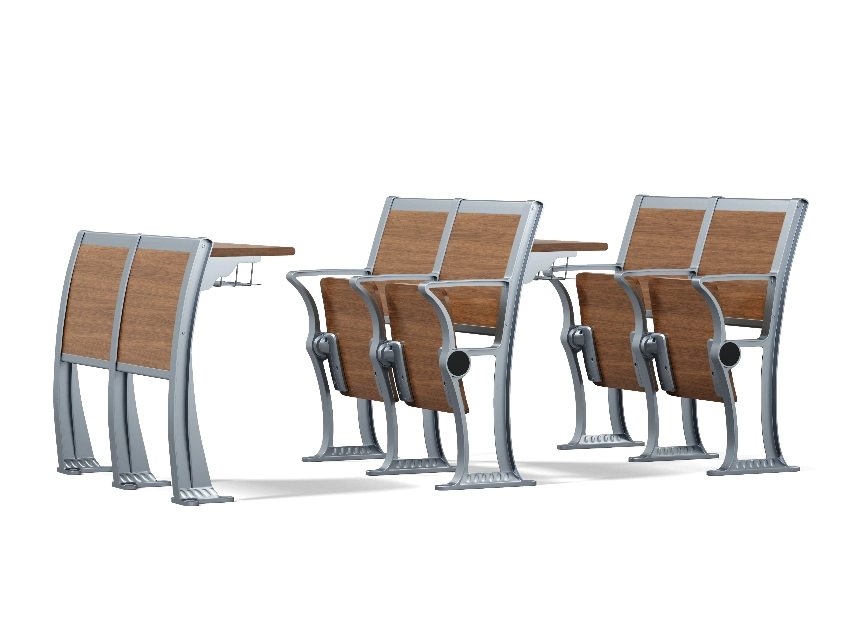
Cost parity remains the final frontier. At launch, the bioplastic training chair commands a 40% premium over its fossil-fuel equivalent. However, total cost of ownership models are shifting the conversation. Traditional chairs carry disposal costs and potential carbon taxes, whereas a compostable training chair eliminates end-of-life liability. Manufacturers are attempting to scale production and source agricultural waste streams to drive costs down. Furthermore, a buy-back scheme is being piloted: the company will retrieve the old training chairs, compost the foam, and repurpose the bioplastic shells into new furniture, closing the loop entirely. This model converts a one-time product sale into a long-term material service, shaking the very foundation of the contract furniture market. As the circular economy matures, the definition of a durable training chair is changing; durability no longer means indestructibility, but the capacity for safe, infinite regeneration.