






Sustainable Stadium Seating Revolution: Recycled Materials Turn Old Seats Into New Assets
Old stadium seats don't have to end up in landfills anymore. A new wave of sustainable seating solutions is taking the industry by storm, turning decades-old plastic and metal into brand-new, high-performance seats that cut carbon emissions by up to 40% compared to traditional models. This shift isn't just a trend for eco-conscious venues—it's becoming a core requirement, as 85% of new stadium projects now require seating made from recycled or sustainable materials.

For years, when a venue renovated its seating, the old seats would just be thrown away. Millions of pounds of plastic and metal would end up in landfills, where they could take hundreds of years to decompose. But today, manufacturers are building closed-loop recycling systems that let them take old seats, break them down, and turn them into brand new ones. For example, Australian seating giant Camatic Seating recently launched a new line of stadium seats made from 70% recycled materials, including old stadium seats, plastic bottles, and even ocean-recovered plastic. These seats are just as durable and high-performance as traditional ones, but they have a fraction of the carbon footprint.
This shift is being driven by both regulatory pressure and consumer demand. The European Union's new Carbon Border Adjustment Mechanism (CBAM) is putting tariffs on high-carbon goods, which has pushed manufacturers to find ways to cut their emissions. Meanwhile, fans are increasingly choosing to support venues that align with their environmental values. A recent survey found that 68% of fans say they'd choose to attend a game at a venue with sustainable seating over one without, even if the tickets were slightly more expensive. That's a huge shift from just a decade ago, when sustainability was an afterthought for most sports fans.
One of the most exciting examples of this trend is the closed-loop recycling program that the NFL launched last year. The league partnered with several seating manufacturers to create a program where teams can send their old seats to be recycled, instead of throwing them away. In the first year of the program, teams recycled more than 100,000 old seats, keeping more than 500 tons of plastic out of landfills. The recycled material was then used to make brand new seats for other venues, creating a fully circular system that eliminates waste. A single recycled Stadium chair can save more than 5 kg of carbon emissions compared to a new one made from virgin materials, which adds up to massive savings for large venues with tens of thousands of seats.
It's not just recycled plastic that's changing the game. Manufacturers are also experimenting with bio-based materials, like bamboo fiber and plant-based composites, that can break down naturally at the end of their life. For example, Japanese manufacturer Minoru Kasei Co. developed a line of bamboo fiber seats for the Tokyo Olympics, which had 40% lower emissions than traditional plastic seats. These seats are just as durable as traditional ones, able to withstand decades of heavy use and extreme weather, but they're completely biodegradable at the end of their life. That means when the venue eventually needs to replace them, they can just be composted, instead of ending up in a landfill.
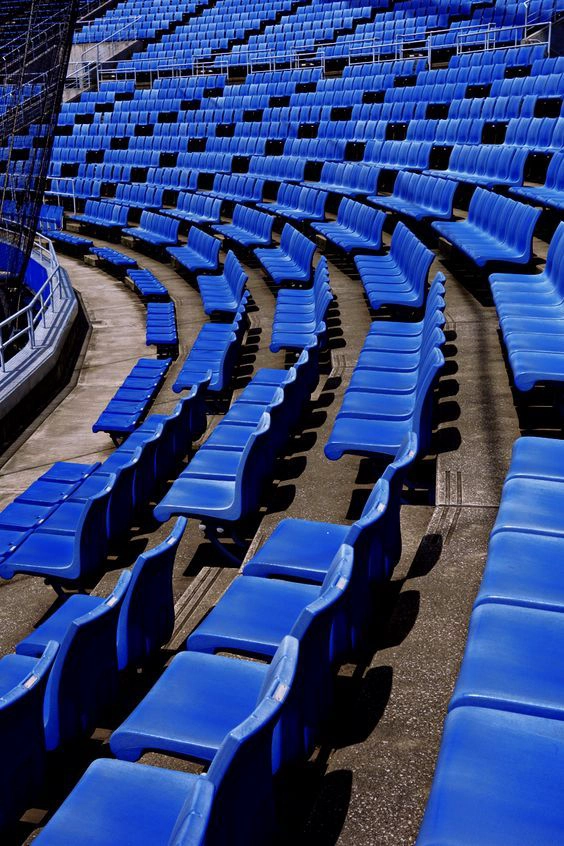
Venues that have adopted these sustainable seats are seeing more than just environmental benefits. They're also seeing lower long-term costs, because the recycled materials are often cheaper than virgin materials, and the modular design of these seats means that individual parts can be replaced instead of the whole seat, extending the product's life. And they're seeing a boost in their brand image, as they can market their sustainability efforts to eco-conscious fans and sponsors. A sustainable Stadium chair isn't just a way to cut carbon emissions—it's a way to build a stronger connection with fans, and create a venue that's built to last for generations, without harming the planet.