






Smart Stadium Seating Goes Mainstream, Turning Passive Seats Into Interactive Experience Hubs
Imagine charging your phone mid-game without leaving your seat, getting real-time game stats sent directly to your device, or letting venue staff know you need a refill of your drink without flagging down a vendor. That's not science fiction anymore—it's the new standard for smart stadium seating, which is quickly moving from a luxury novelty in top-tier venues to a mainstream feature that fans are starting to expect everywhere.
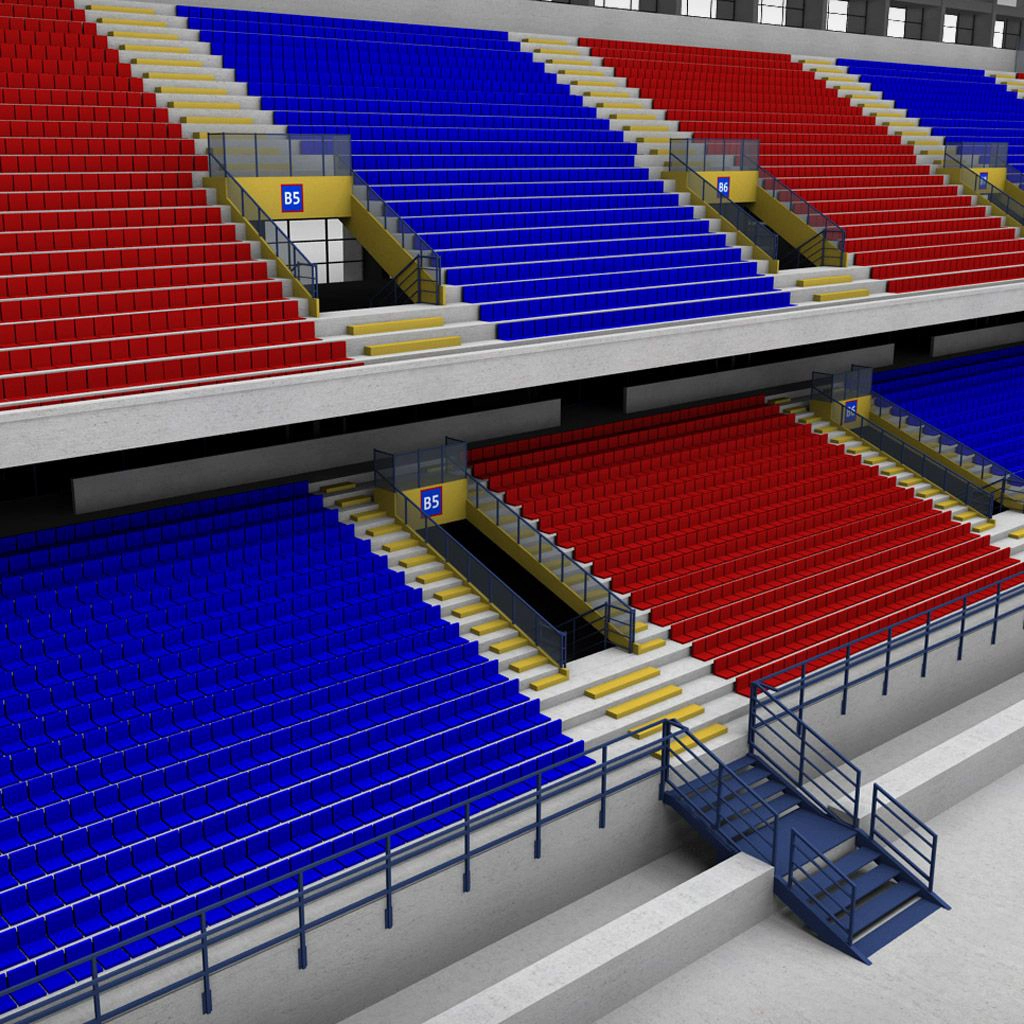
Just five years ago, smart seating was something you'd only find in the most expensive premium suites in NFL or Premier League stadiums. Today, 63% of newly constructed stadiums worldwide are including some form of smart seating infrastructure, according to recent industry reports. This rapid adoption is being driven by both fan demand and venue operators' desire to create more personalized, engaging experiences that can compete with home streaming.
The technology behind these seats is more advanced than you might think. Many new models come with built-in USB-C and wireless charging ports, so fans can keep their phones powered through even the longest overtime games. Some even have integrated IoT sensors that can track when a seat is occupied, letting venues optimize everything from air conditioning to concession staffing in real time. For example, if a section of seats is empty, the venue can turn down the airflow in that area to save energy, or redirect vendors to busier sections where fans are more likely to buy food and drinks. A single connected Stadium chair can generate more data in a single game day than an entire row of traditional seats generated in a year, giving operators unprecedented insight into how fans use their venue.
These smart features aren't just for convenience—they're also changing how venues handle safety and accessibility. The sensors in smart seats can help staff track crowd movement during emergency evacuations, making it easier to identify areas that might be congested or where someone might need assistance. For fans with disabilities, the connected features can let them request assistance with just a tap on their phone, without having to find a staff member. This has made smart seating a key part of many venues' accessibility upgrades, as they work to meet new ADA and global accessibility standards.

Venues that have already adopted smart seating are seeing massive returns on their investment. Early adopters report that concession sales in sections with smart seating are up 30-35%, thanks to in-seat ordering features that let fans buy food and drinks without missing any of the action. Fan satisfaction scores are also up significantly, with 78% of fans saying they'd pay more for tickets to a venue with smart seating features. And as the technology becomes more affordable, it's starting to spread beyond professional sports, into college stadiums, minor league venues, and even community centers.
The best part? This is just the beginning. Manufacturers are already working on the next generation of smart seats, which will include features like built-in vibration feedback for immersive gaming experiences, personalized climate control, and even biometric sensors that can track fan heart rate and stress levels during intense moments of the game. As these features roll out, the standard Stadium chair will become more than just a place to sit—it will be a personalized, interactive hub that puts the fan in control of their entire event experience. And as more venues adopt this technology, it won't be long before smart seating is as standard as cup holders are today.