





The $30 School Desk and Chair for the World's Poorest Classrooms
In the sprawling informal settlements of Lagos and the remote highlands of Nepal, millions of children attend school in rooms with no furniture at all. A social enterprise has engineered a school desk and chair that costs less than a textbook, can be assembled without tools, and is made entirely from locally available agricultural waste.
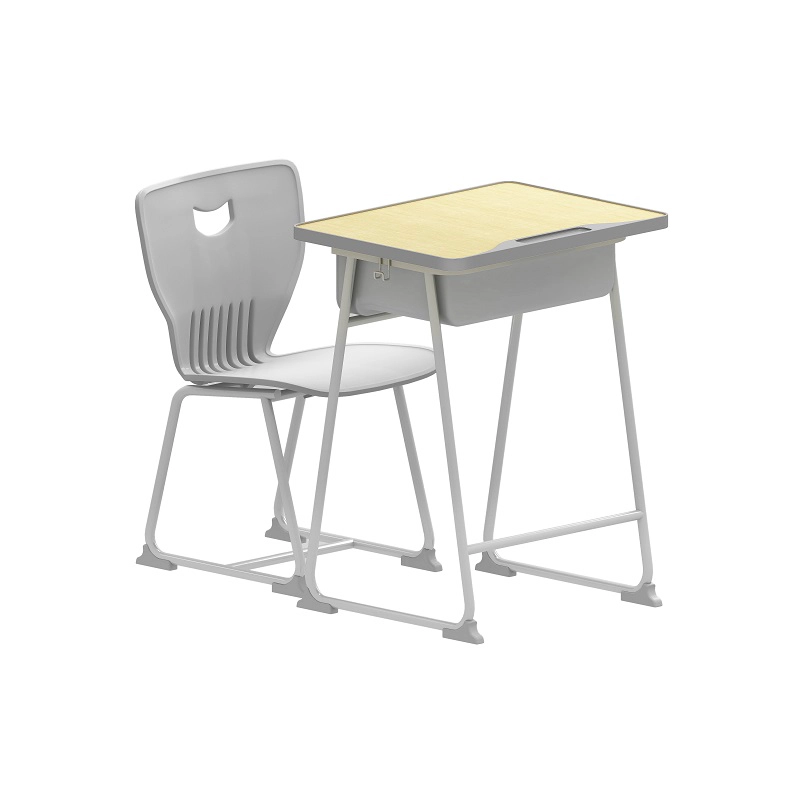
The global learning crisis is a furniture crisis in disguise. It is physiologically impossible to write fluently while squatting on a dirt floor or hunched over a lap. The "TataDesk" (named after the Swahili word for "three," referencing the three pieces of the set) is a response to a design brief that seemed impossible: a full school desk and chair set for under $30, capable of being produced in-country using local materials and labor. The solution is a molded composite panel made from rice husks, sugarcane bagasse, and a food-grade polymer binder. The panel is pressed in a heated mold at a local micro-factory, creating a single-piece, lightweight but rigid desk top with an integrated chair shell. Two simple steel or bamboo leg frames are bolted on with four screws. The entire school desk and chair can be assembled by a community volunteer in five minutes using a single wrench.
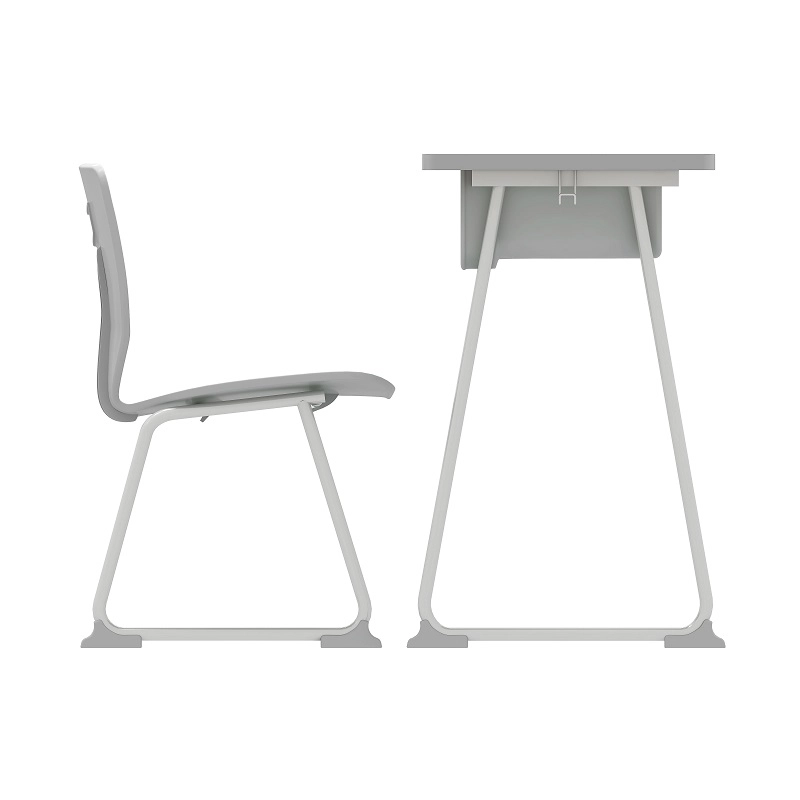
The use of agricultural waste is the breakthrough. Rice husks and bagasse are abundant, low-value byproducts in many developing economies that are otherwise burned, creating air pollution. By turning them into the raw material for a school desk and chair, the TataDesk creates a circular economic loop in rural communities. The composite material is surprisingly durable: it is water-resistant, insect-resistant, and does not warp in high humidity, unlike plywood. The surface is smooth and light-colored, providing good contrast for reading and writing. The chair is ergonomically designed using anthropometric data gathered from the target regions, ensuring a fit that supports a healthy posture. The entire set weighs under fifteen pounds, so it can be easily moved by a child or stored in a stack when the classroom needs to be a community meeting space in the evenings.
The impact on learning outcomes is measurable. In controlled studies, children who transitioned from floor-sitting to a TataDesk school desk and chair showed a 25% improvement in handwriting legibility and a significant increase in sustained task focus, as measured by independent observers. The simple act of having a defined, personal workspace transforms the child's self-concept as a learner. The project is funded through a combination of impact investment and a buy-one-donate-one model in Western markets, where a high-end version of the recycled-material desk is sold to eco-conscious consumers and schools. The aim is to scale to a million units in five years. The TataDesk proves that a school desk and chair, that most basic of educational technologies, can be a powerful lever for equity, and that affordability does not require a sacrifice in dignity or durability.