





The Air-Purifying School Desk and Chair: Passive Filtration for Polluted Cities
In megacities like Delhi, Beijing, and Mexico City, opening a classroom window invites a toxic haze of particulate matter. A new school desk and chair uses a built-in, fanless air filtration system to create a bubble of clean air around each student, passively scrubbing PM2.5 and volatile organic compounds from the breathing zone.
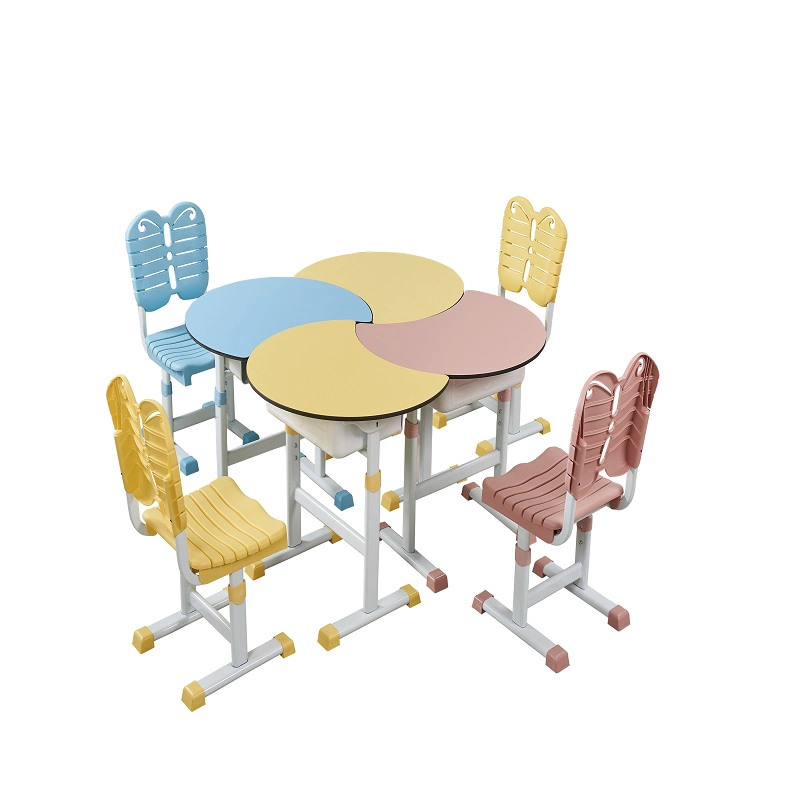
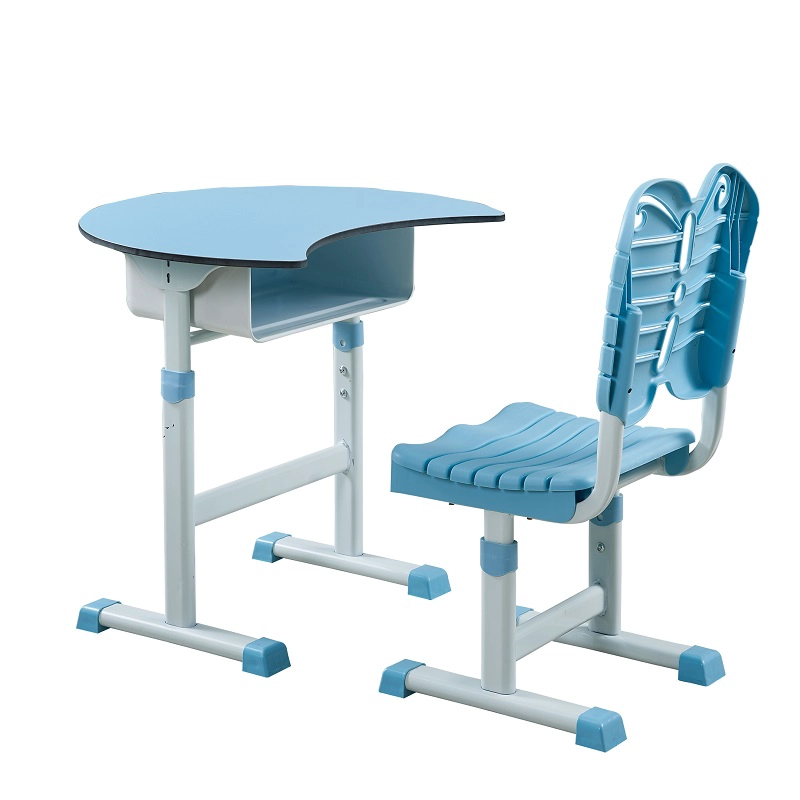
Children are physiologically more vulnerable to air pollution than adults, breathing more air per unit of body weight and with developing respiratory systems. While expensive centralized HVAC retrofits are out of reach for most urban public schools, the "PureSeat" concept provides a decentralized, scalable solution. The backrest of the chair is a hollow chamber filled with a pleated, high-efficiency particulate air (HEPA) filter media and a layer of activated carbon cloth. A small, silent, USB-powered fan draws air from behind the student, passing it through the filters and expelling clean air gently forward, creating a dome of purified air around the user's head and torso. The school desk and chair essentially functions as a personal, wearable air purifier that the student does not have to wear. The fan is powered by a long-life, rechargeable battery pack in the chair base, good for an entire school day.
The filters are designed to be easily replaced by the school custodian every six months, and the used filters can be returned to the manufacturer for recycling. The system has been tested in a school adjacent to a major construction site, and monitoring badges worn by students showed a 60% reduction in personal exposure to black carbon during school hours. The school desk and chair itself becomes a health intervention, directly addressing the environmental inequality that sees children in poorer, more polluted districts suffering higher rates of asthma and cognitive impairment linked to poor air quality. The desk surface remains a standard, cleanable laminate, and the chair’s air-handling system is fully enclosed and tamper-proof, with no accessible blades or moving parts.
The thermal comfort benefits are an added bonus. The gentle airflow creates a cooling breeze in hot, uncooled classrooms, improving subjective comfort and reducing heat-related lethargy. The concept is attracting interest from international development agencies and city governments with air quality action plans. The price point is higher than a standard chair but significantly lower than a room-scale air purification system that would require secure installation and electrical work. The PureSeat represents a paradigm shift: the school desk and chair as a platform for environmental health delivery. In an age of accelerating climate change and urban pollution, the furniture in a classroom must do more than hold a child; it must actively protect their developing lungs and brain from the invisible hazards of the outside world.