
The Biometric Feedback Stadium Chair: Measuring Fan Stress and Excitement
How excited is a stadium full of fans at a championship game? Until now, we could only guess. A prototype biometric stadium chair is changing that, using sensors to measure heart rate, sweating, and movement to create a real-time "excitement map" of the entire venue.
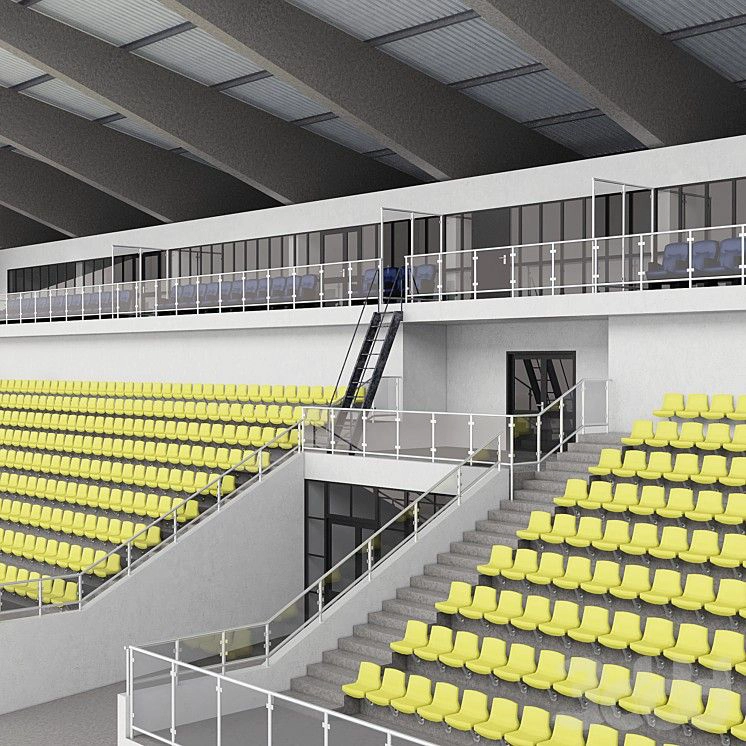
The emotional experience of watching live sports is one of the main reasons fans keep coming back, but it is notoriously difficult to measure. Surveys and social media sentiment are indirect and lagging indicators. The "BioSeat" is a research prototype developed by a sports analytics firm and a university lab. The stadium chair is equipped with unobtrusive sensors in the seat pan and armrests: a photoplethysmography (PPG) sensor that measures heart rate by detecting blood flow through the skin, a galvanic skin response sensor that measures sweat levels (an indicator of emotional arousal), and a motion sensor that tracks sudden movements like jumping to their feet. The data is aggregated across the entire section and displayed as a heat map, showing which moments of the game triggered the strongest physiological responses. A last-minute goal would show up as a bright red spike across the entire lower bowl.
The research applications of this biometric stadium chair are vast. Sports scientists can use the data to understand how different styles of play affect fan engagement, potentially informing everything from coaching decisions to marketing strategies. Broadcasters can use the data to create more compelling visualizations, showing the "pulse of the stadium" in real time. Sponsors can measure the emotional impact of their in-game activations: did the crowd's heart rate actually spike when the brand's logo appeared on the big screen? The data is also valuable for the teams themselves, providing a real-time gauge of fan satisfaction that could influence decisions about in-game entertainment, concession offerings, and seating configurations. The research is strictly opt-in and anonymized; no individual fan is ever identified.
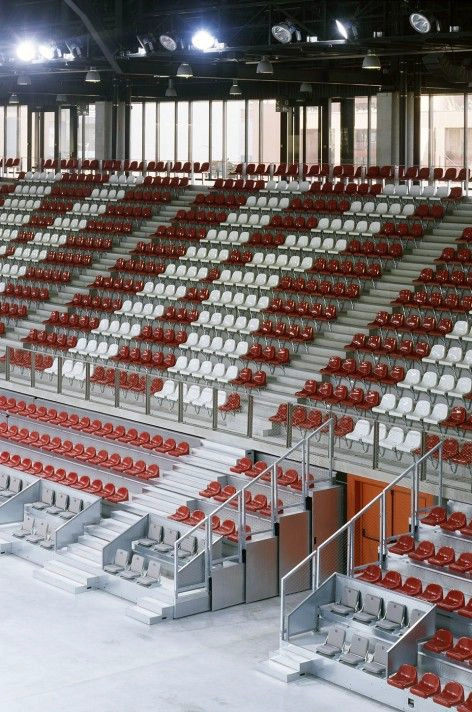
Privacy concerns are paramount, and the BioSeat is currently not a commercial product, but a research instrument. The scientists involved are developing strict ethical guidelines for the use of biometric data in public spaces. But the potential is clear: the stadium chair could become a window into the collective emotional state of a crowd, a tool for understanding the psychology of fandom in ways that were previously impossible. The roar of the crowd is a powerful thing; now we might finally be able to see what it looks like from the inside.