





The Closed-Loop Classroom: How Old School Desk and Chair Sets Are Chemically Recycled into New Ones
A single school district renovation can send twenty tons of mixed-material desks and chairs to the landfill. A groundbreaking chemical recycling facility in the Port of Antwerp has cracked the code for separating these complex composites, turning yesterday’s graffiti-covered school desk and chair into tomorrow’s virgin-quality plastic pellets and clean steel billets.
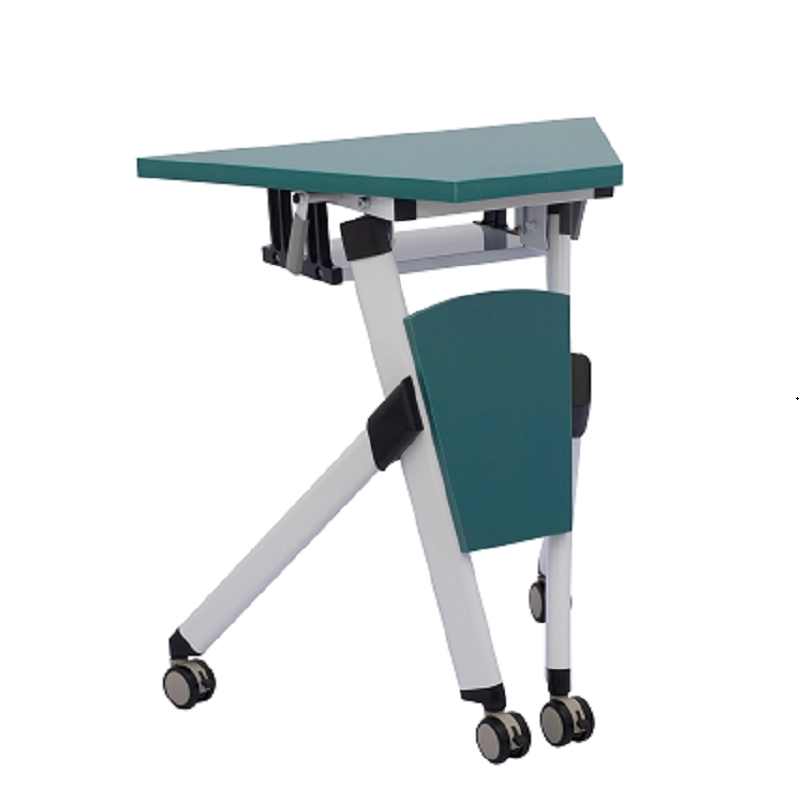
The end-of-life problem for school furniture is an environmental scandal. The average school desk and chair is a tightly bonded amalgam of steel, polypropylene, polyurethane foam, polyester fabric, and high-pressure laminate, impossible to disassemble economically. The traditional destination is the dumpster, or at best, a downcycled shred that becomes low-value filler. The "EduCycle" consortium, funded by the EU’s Circular Economy Action Plan, has built a dedicated recycling line that uses robotic disassembly arms, near-infrared optical sorters, and a chemical solvolysis reactor. Incoming pallets of old school desk and chair units are first scanned by a vision system that identifies the specific model and instructs the robot on the best disassembly path. Metal frames are pulled off and sent to the scrap arc furnace. The polymer components are shredded and fed into the solvolysis reactor, which uses a low-temperature, low-pressure solvent to break the long polymer chains back into their constituent monomers. The result is a pure, clear liquid that can be re-polymerized into new plastic that is chemically indistinguishable from virgin fossil fuel-derived material.
The output quality is the critical breakthrough. Mechanical recycling degrades the polymer chain, limiting the number of cycles and the applications. Chemical recycling creates a true circle: a 1995-vintage chair shell can become a 2026 shell for a new school desk and chair with zero loss of performance. The consortium has partnered with a major manufacturer to produce a limited-edition "ReGen" chair made from the recycled monomers, complete with a certificate tracing the material back to specific decommissioned schools. The emotional resonance is powerful: a school community can be told that their old furniture, which held decades of memories, has been reborn as the chairs for a new generation of learners in a different town. This narrative connects the abstract concept of circular economy to a tangible object in a child's daily life.
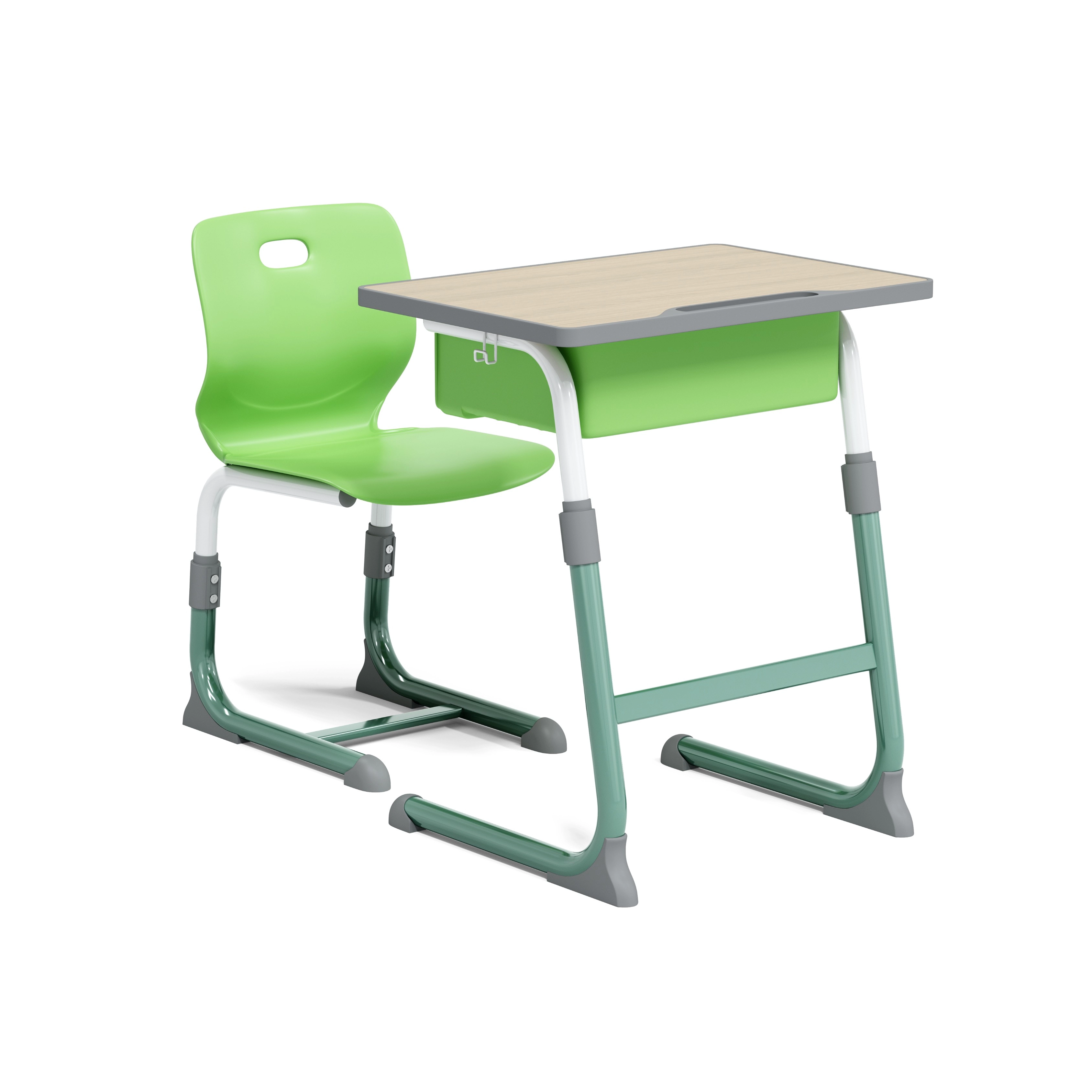
The business model is being supported by Extended Producer Responsibility (EPR) legislation that will soon require furniture manufacturers to finance the end-of-life processing of their products. The cost of chemically recycling a school desk and chair is currently higher than landfilling, but the regulatory pressure and the rising cost of virgin carbon credits are rapidly closing the gap. The EduCycle plant is designed as a replicable, containerized module that can be deployed near major urban centers, minimizing the transport footprint of bulky waste. The vision is a network of regional micro-recycling hubs that keep the material assets of a school system circulating within its own bioregion. The old, broken chair in the janitor's basement is no longer trash; it is a valuable material bank, waiting for its molecules to be liberated and returned to the classroom as a pristine new school desk and chair.