





The Haptic Nudge: Vibrating Training Chairs That Guide Assembly Lines
In a noisy factory, auditory instructions fail. A new training chair uses directional haptic vibrations built into the backrest to literally tap trainees on the shoulder, guiding their movements in complex assembly simulations without a single spoken word.
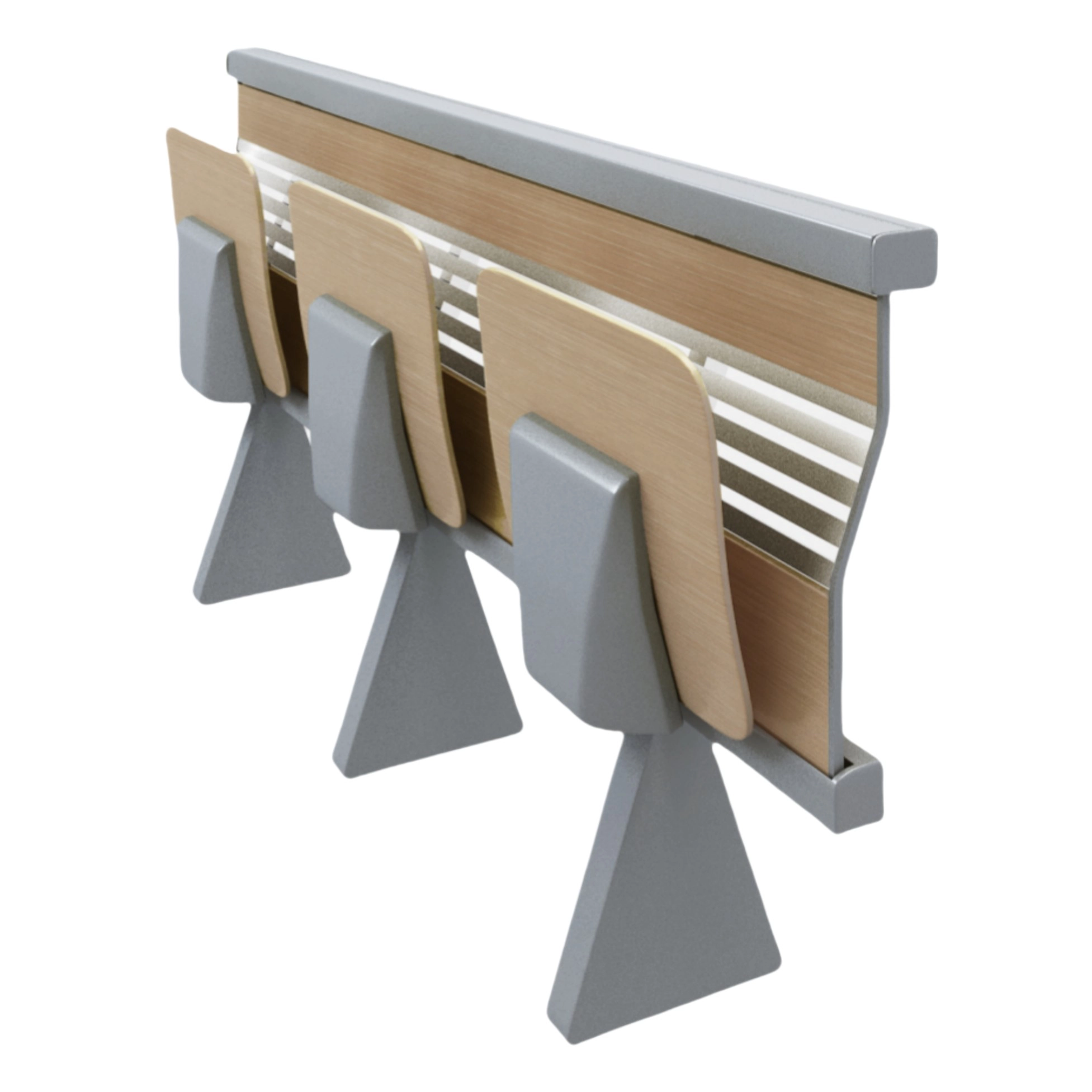
Manufacturing skills training often takes place on the factory floor, a cacophony of machinery where walkie-talkies and headsets are unreliable. A German industrial design firm has developed a training chair intended specifically for this deafening environment. The backrest is divided into quadrants, each containing a haptic actuator that can pulse in distinct patterns. A tap on the upper left back might signal "reach for the component with your left hand," while a rhythmic pulse down the spine could indicate the speed of a conveyor belt. The trainee absorbs the rhythm of the task kinesthetically through the training chair, freeing their eyes and ears to focus on the physical object in front of them. This multisensory approach taps directly into muscle memory, significantly speeding up training time for repetitive physical tasks.
The construction of this industrial training chair is suitably robust. The base is a heavy, anti-static steel sled with a floor anchor bolt to prevent it from walking across a vibrating factory floor. The electronics are housed in an IP65-rated, dust-tight and water-jet-resistant enclosure under the seat. The chair itself is compact and backless in appearance, more of a dynamic stool, forcing an active, upright posture critical for manufacturing agility. It communicates wirelessly via a secure industrial protocol with the main assembly line PLC (Programmable Logic Controller). If a trainee makes an error—say, installing a part backward—the training chair emits a sharp, localized vibration that instinctively makes the user pause and look at their work, acting as a physical spell-checker.
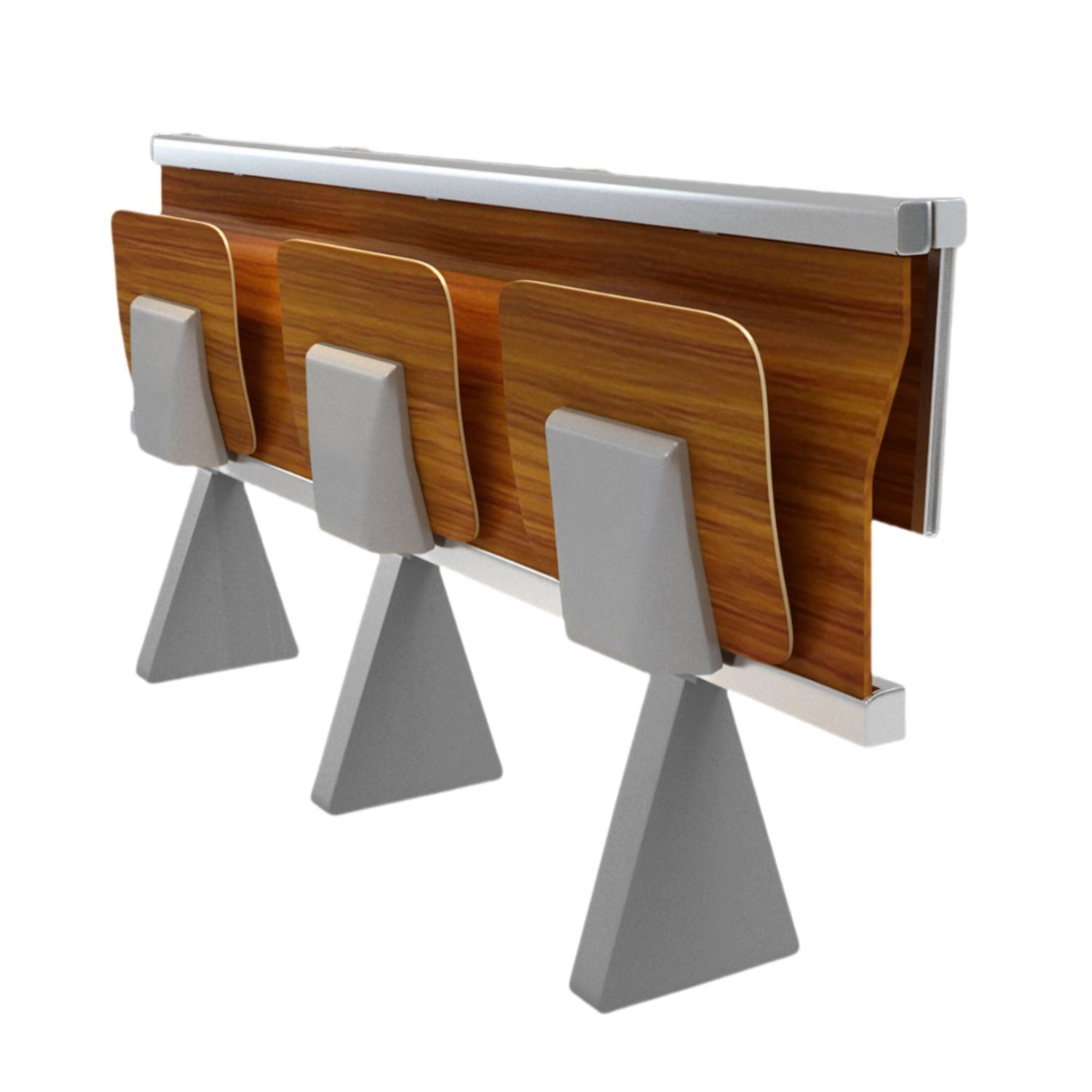
This sector-specific training chair is part of a broader trend toward embodied cognition in vocational education. By embedding instructional feedback into the physical environment of the seat, the line between the classroom and the production line dissolves. The chair is no longer a separate piece of furniture; it's an interface with the manufacturing execution system. As Industry 5.0 focuses on human-machine collaboration, the smart training chair provides a communication channel that is silent, direct, and impossible to ignore. Early pilots in automotive transmission assembly show a 25% reduction in error rates among new hires. The humble seat is becoming a critical tool in the digital transformation of blue-collar work.