





The Empathy Training Chair: Using VR and Temperature to Simulate Dementia
How do you train a caregiver to understand dementia? You can’t lecture it. A groundbreaking training chair now uses temperature shifts, resistance, and audio disorientation to simulate the physical and sensory experience of a patient, building true empathy in minutes.
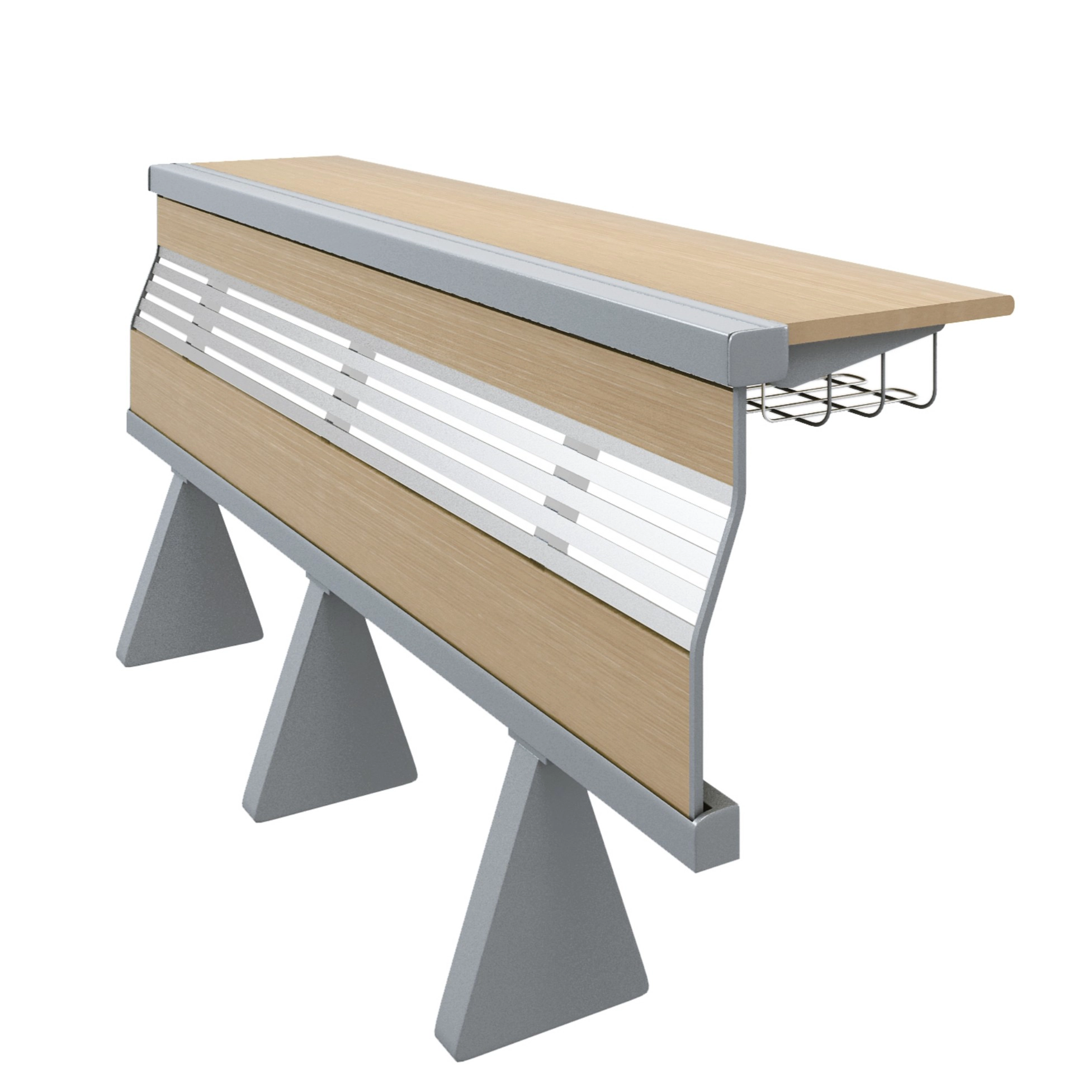
Healthcare training requires an affective component—an emotional and physical understanding that goes beyond facts. A medical simulation company has built the "Empatheia" system, centered around a highly specialized training chair. This chair is fitted with Peltier thermo-electric pads that can instantly change surface temperature from a neutral room feel to a clammy cold sweat or an uncomfortable feverish heat. The armrests contain variable-resistance actuators that can simulate muscle weakness or Parkinsonian tremors, making the simple act of grasping the arm of the training chair feel alien and difficult. Simultaneously, a bone-conduction speaker in the headrest transmits disorienting low-frequency hums and high-pitched tinnitus sounds, recreating the auditory confusion common in cognitive decline. The objective is to place a healthy clinician into the physical reality of their patient for fifteen minutes.
The physical design of this training chair must withstand the emotional stress of the simulation. Users often grip the armrests with white-knuckled force, so they are constructed from a soft, impact-absorbing polyurethane integral skin. The seat is deliberately shallow to simulate the feeling of instability, yet secure enough to prevent a fall. The training chair is built on a motion platform that can subtly shift to create a feeling of vertigo or postural instability, a key symptom of neurological conditions. The entire scenario is controlled by a facilitator who can tailor the symptoms to a specific case study. After experiencing the frightening loss of bodily control while sitting in the empathy training chair, trainees report a profound and lasting shift in their approach to patient care, showing more patience and proactive communication.
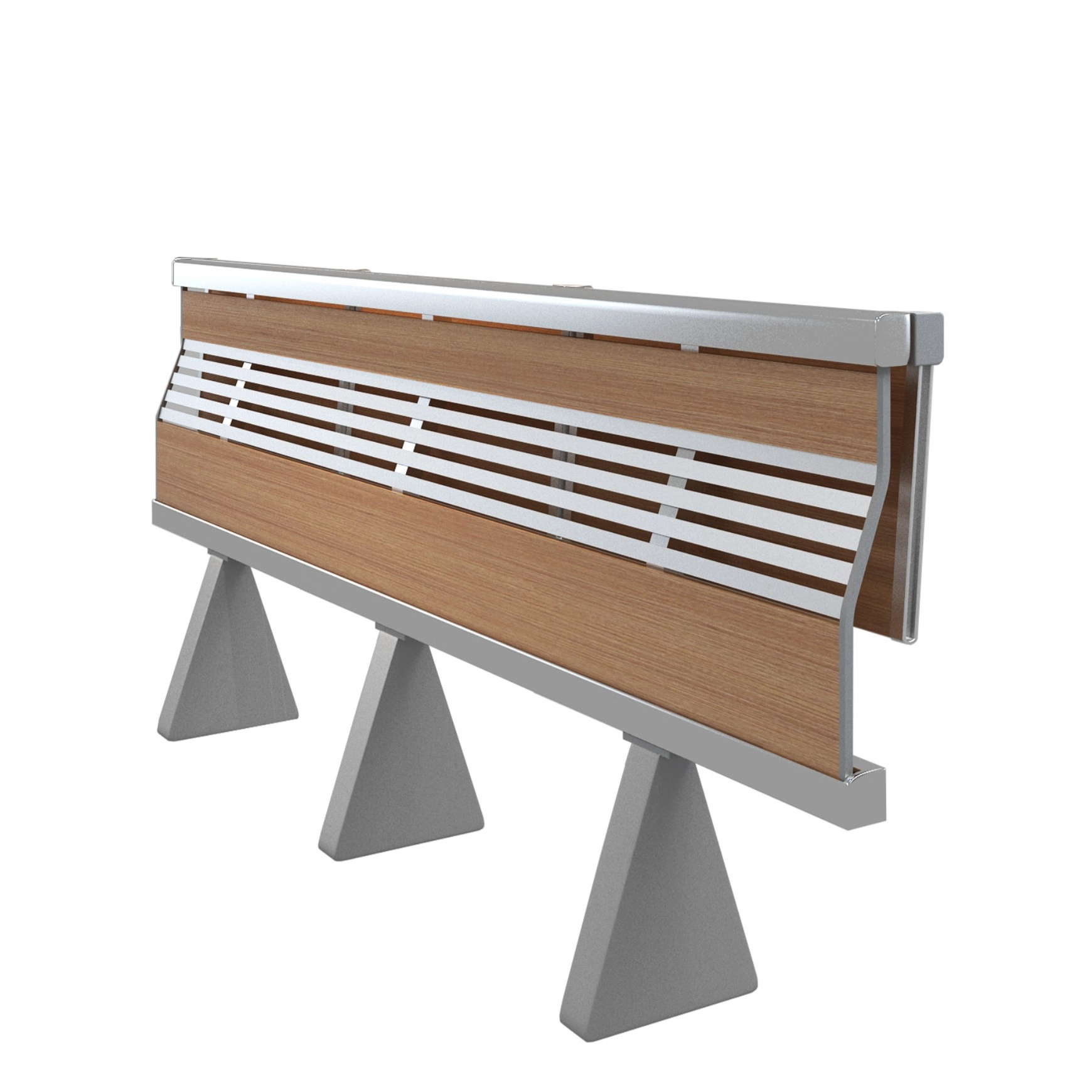
This application of the training chair represents a high-water mark for simulation-based education. It moves the chair from a support tool to a central narrative device that literally embodies the curriculum. The system is being adapted for geriatric care, pediatric sensory processing disorder training, and even corporate diversity training, where simulated physical discomfort can foster a deeper understanding of invisible disabilities. The "Empatheia" proves that a training chair can be an instrument of profound psychological transformation, not just a piece of classroom furniture. As medical education prioritizes the human experience, this kind of bio-synced seating will become an indispensable part of the clinical classroom.