






The Inclusive Stadium Chair: Designing for Every Body, Every Ability
For decades, the standard stadium chair has excluded a significant portion of the population. Wheelchair users were relegated to separate platforms, and fans with mobility issues struggled with narrow seats and steep steps. A new movement in inclusive design is creating a stadium chair that serves everyone, without segregation.

The Americans with Disabilities Act and similar laws worldwide have made stadiums more accessible, but compliance has often been a minimum-standard afterthought. Wheelchair-accessible seating areas are frequently located at the top of the upper deck, offering poor sightlines and little sense of community. A growing number of architects and advocacy groups are now demanding a better approach: universal design that integrates accessible seating throughout the venue. The "AllSeat" system is a modular stadium chair platform that can be configured in multiple ways without tools. In its standard form, it is a comfortable, flip-up chair with foldable armrests that can be swung out of the way to allow a lateral transfer from a wheelchair. The seat pan is split longitudinally, allowing one half to be removed to reduce height disparity. When a wheelchair user occupies the space, the chair folds completely away, leaving an open, flat area with a secure anchor point for the wheelchair. Crucially, this all happens within the same row and footprint as a standard seat, so wheelchair users are not isolated on a platform.
The inclusive stadium chair is also designed for other diverse needs. The armrests are wider and flatter than typical stadium seating, providing more support for fans who need assistance standing. The seat is slightly higher than standard, reducing the effort required to sit down and stand up. The materials are non-slip and provide good grip in wet conditions, reducing the risk of falls. The design also accommodates service animals, with a designated space under the seat that is free of obstructions. For neurodiverse fans, the chair's fabric options include a soft, low-texture weave that minimizes sensory discomfort, and the seat can be specified in calming, muted colors. The goal is to make the inclusive stadium chair the default option, not the "special" one.
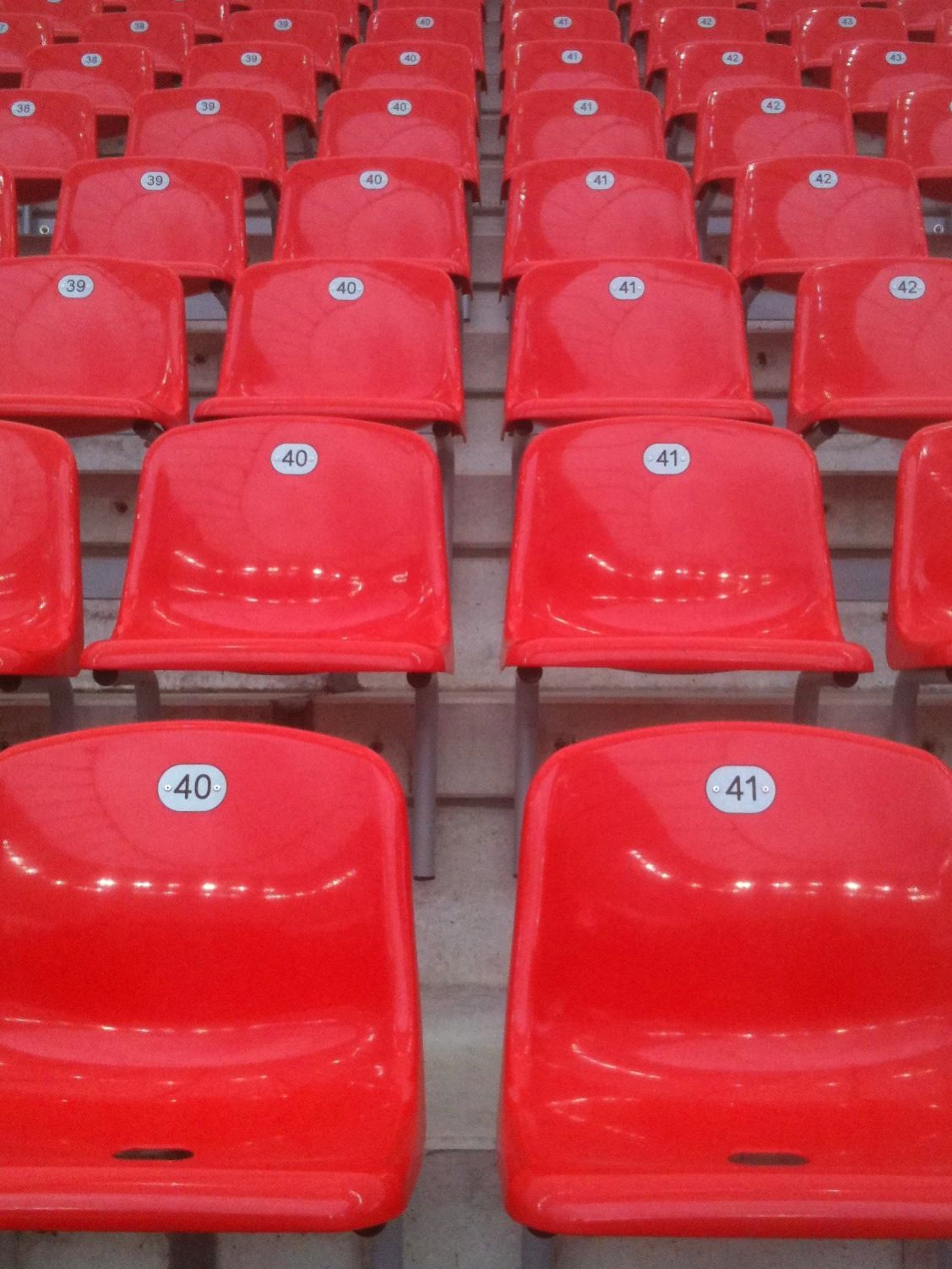
The business case for inclusivity is strong. The accessible tourism market is worth billions of dollars annually, and families with disabled members often choose venues based on the quality of the accessible experience. A stadium that offers a truly integrated, dignified seating experience will win the loyalty of these families. Several new NFL stadiums have adopted the AllSeat system as standard across their lower bowls, and the feedback from disabled fans has been transformative: no more being separated from friends and family, no more craning to see over standing spectators. The inclusive stadium chair is a reminder that great design is not just about aesthetics or comfort; it is about ensuring that every fan, regardless of their body, can feel the thrill of the game from the best seat in the house.