






The Retro-Inspired Stadium Chair: Why Classic Designs Are Making a Comeback
In an era of sleek carbon fiber and digital screens, a surprising counter-trend is emerging in stadium design: the resurrection of the classic, retro stadium chair. Fans are craving authenticity and history, and manufacturers are responding with seats that look like they belong in a 1950s ballpark.
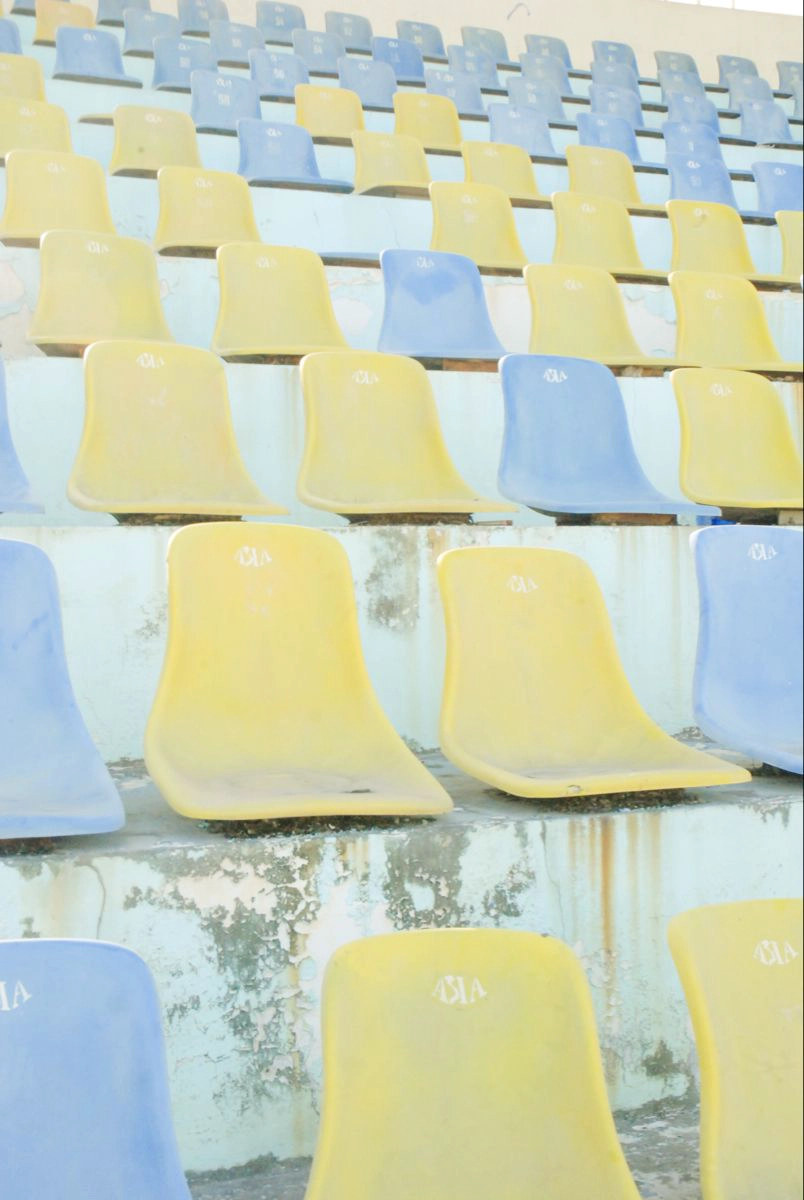
Modern stadiums have become increasingly polished and corporate, with uniform plastic chairs that could belong to any team in any city. Fans have begun to push back, nostalgic for the character and charm of older venues where every seat was a little different. The retro stadium chair movement taps into this longing. Manufacturers are now producing chair models that replicate the look of classic wooden slat seats, the painted metal frame chairs of the mid-20th century, and even the ornate cast-iron end standards of early 20th-century grandstands. These are not true antiques; they are modern products engineered to meet current safety and durability standards, but with an aesthetic that evokes a bygone era. The wooden slats are not real wood (which splinters and rots), but a high-density composite that is molded and painted to look like aged oak. The metal frames are powder-coated in the deep, muted colors of vintage stadiums.
The appeal of the retro stadium chair is not purely sentimental. It is also a branding opportunity. Teams with a long history can use the classic design to reinforce their heritage and connect with multi-generational fans. A baseball club that has played in the same city for a century can install retro seats in its premium "heritage" sections, creating a tangible link to the great players of the past. The seats themselves become a photo opportunity, with fans posing in them and sharing on social media. The retro design also has a practical advantage: the materials are often more forgiving of wear and tear. The molded wood composite hides scratches better than glossy plastic, and the vintage color palette masks the fading that plagues bright modern colors. The retro stadium chair is not just a fad; it is a recognition that the emotional connection between a fan and their seat is as important as the physical comfort.
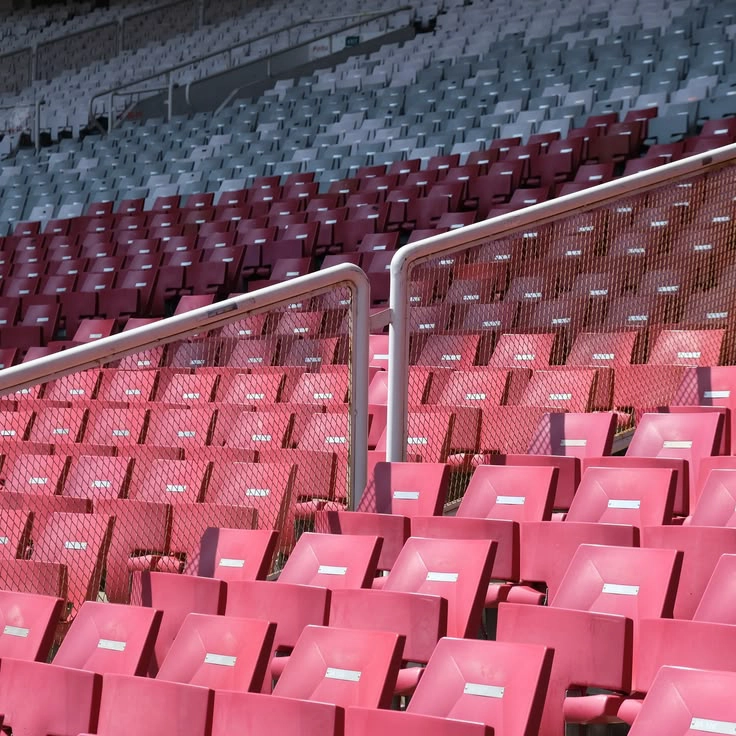
The market is responding with enthusiasm. A minor league baseball team in the American South recently retrofitted its entire ballpark with a custom-designed retro stadium chair inspired by the 1940s, and attendance jumped 15% in the first season, driven largely by nostalgia marketing. The chairs were not more comfortable than the old ones; they were simply more meaningful. The team's merchandise division even sells miniature replicas of the chair, which have become a popular collectible. In a world where live sports compete with home entertainment systems, the retro stadium chair offers something that a couch cannot: a sense of place, a feeling of belonging to a tradition. The past, it turns out, can be a very comfortable place to sit.