






The Lithium-Ion Training Chair: Powering the Wireless Classroom
*Dead batteries are the modern nemesis of the digital classroom. A new training chair hits the market with a massive, integrated 20,000 mAh battery pack, turning every seat in the house into a fast-charging station for laptops, phones, and AR glasses.*
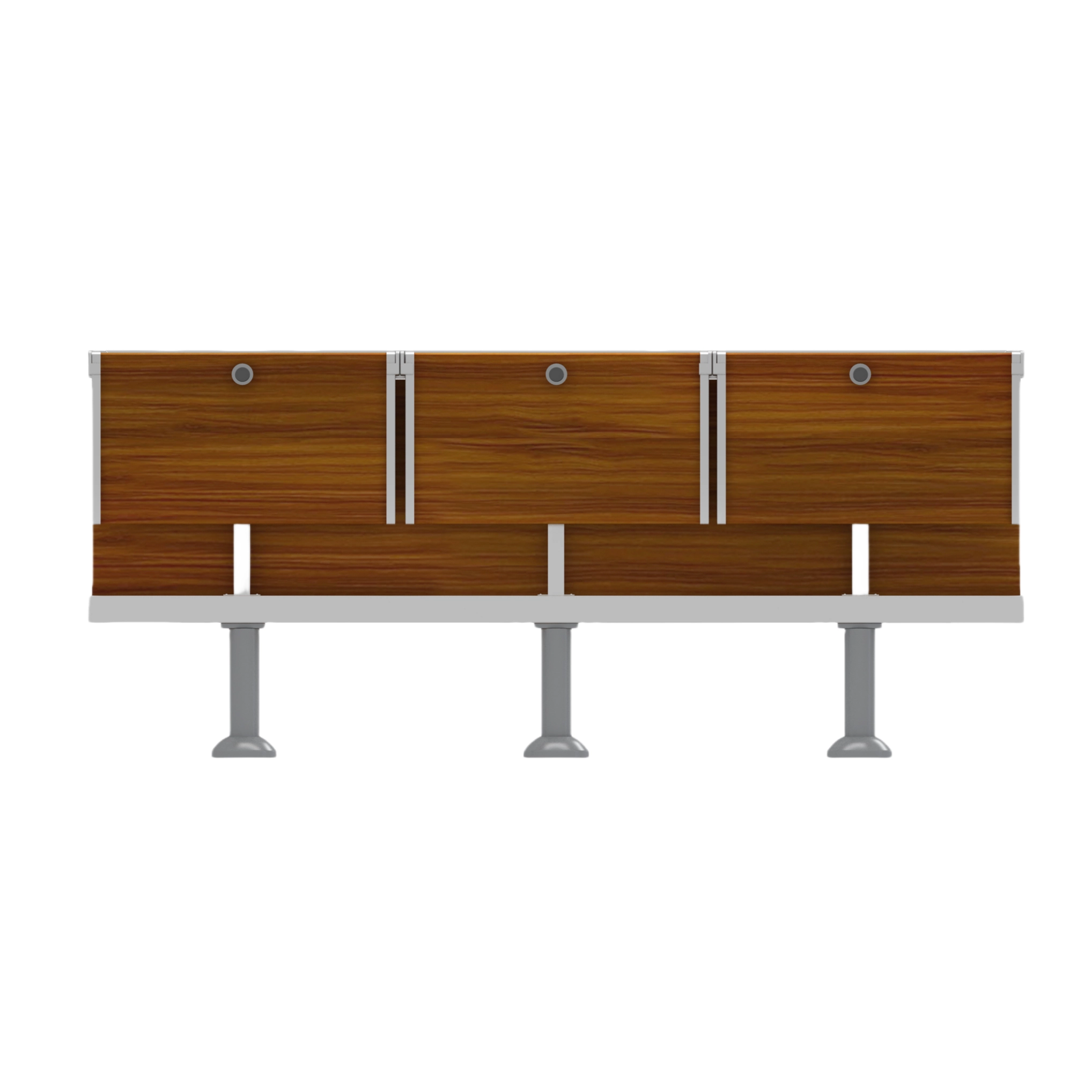
The proliferation of devices in training has created a "cable spaghetti" problem and a desperate scramble for power outlets along walls. The new "PowerHub" training chair integrates a high-capacity, airline-safe lithium-polymer battery sealed within the seat pan. A slim, retractable USB-C cable is housed in the armrest, and an induction charging pad is embedded in the writing tablet. Users simply place their phone on the tablet or plug in their laptop, and the training chair delivers up to 65W of power. The batteries are designed to last a full week of heavy use on a single charge, and the entire fleet can be recharged overnight via a "daisy-chain" DC cable that connects the chairs in a single stack, or via a charging cart that the chairs nest onto. No electrician is needed to wire the floor; the power grid is mobile, literally built into the training chair.
The integration of such dense energy storage into a training chair raised significant safety and regulatory hurdles. The battery packs are encased in a fire-retardant, impact-resistant magnesium-alloy box that forms the structural core of the seat. Thermal runaway sensors continuously monitor each cell, and if a fault is detected, the specific training chair wirelessly alerts the facility manager and physically disconnects its own battery. The system has passed stringent UL and CE safety certifications for contract furniture, a first for this level of power integration. The weight penalty is a factor; the powered training chair is heavier than a standard stackable, but the designers engineered the weight distribution low in the base, which actually makes the chair more stable and less likely to tip over. A soft-assist lift mechanism compensates for the extra mass when stacking.
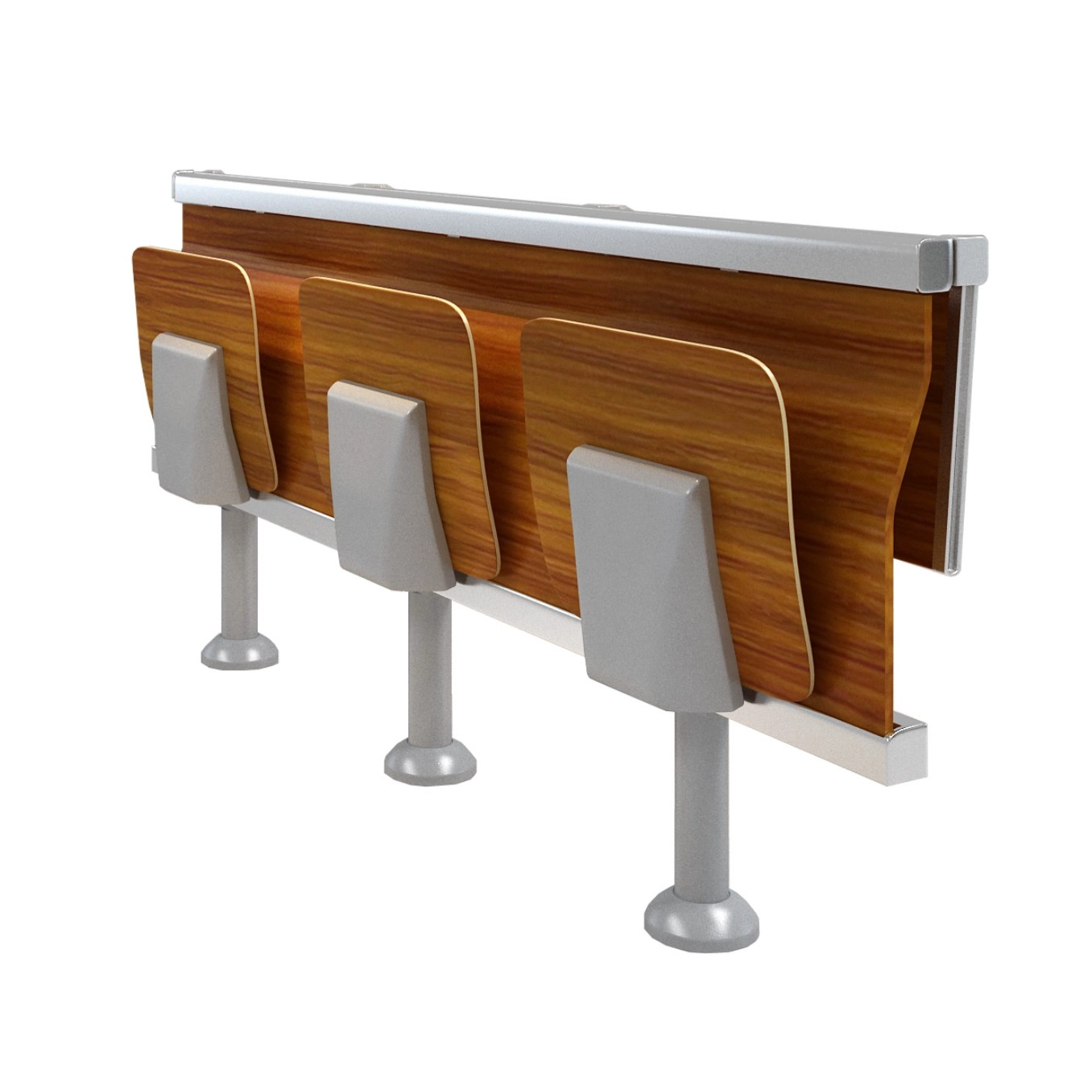
The market for this powered training chair is exploding in corporate "hoteling" spaces and higher education. Students and consultants no longer need to hunt for a charge point; their seat is the charge point. This enables true "bring your own device" (BYOD) flexibility without the anxiety of a dying screen interrupting a critical workshop. It also future-proofs the learning environment. As augmented reality glasses become more common for technical training, these devices will require constant power. Having a training chair that can beam power wirelessly to the user’s headset or phone removes the friction of long-term wear. The chair thus transitions from static furniture to an essential node in the campus infrastructure grid, a distributed power plant for the knowledge worker.