





The Petite and the Tall: A Dual-Size Training Chair System for Every Body
The standard furniture industry defines the human body as a single, average size. A new ergonomic research study has demolished that myth, leading to the launch of a training chair system that comes in two distinct frame sizes, specifically engineered for the petite and the tall.
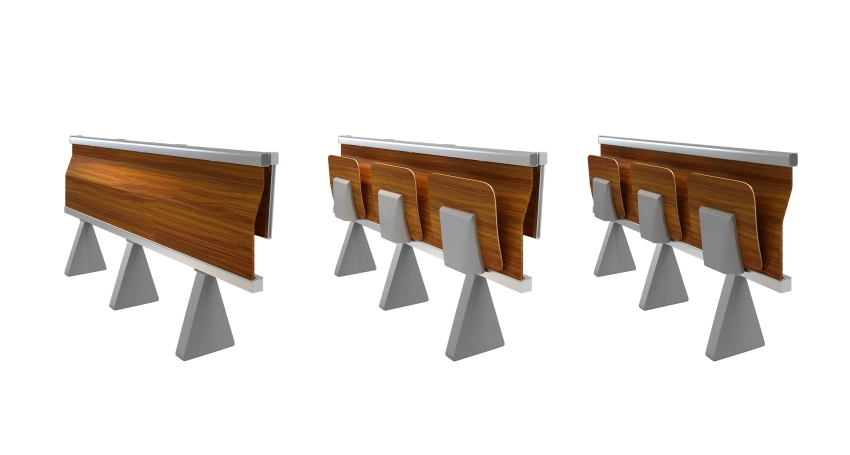
Anthropometry is the science of human measurement, and its absence in seating design has left large swathes of the population physically unsupported. A standard training chair with an 18-inch seat depth is far too deep for a person of 5’2” (157 cm), forcing them to perch on the edge with no back support, cutting off circulation behind the knees. Conversely, a 6’5” (195 cm) individual finds the same chair’s backrest digging into their mid-back with no lumbar support. A leading European manufacturer has responded by engineering a training chair in two distinct frame molds: Size A for individuals under 5’6” and Size B for those over 5’10”. The difference is not just scaling; the entire ergonomic geometry changes. The petite training chair features a shallower seat pan, a lower armrest height, and a lower lumbar apex. The tall version extends the backrest height, deepens the seat, and raises the armrests.
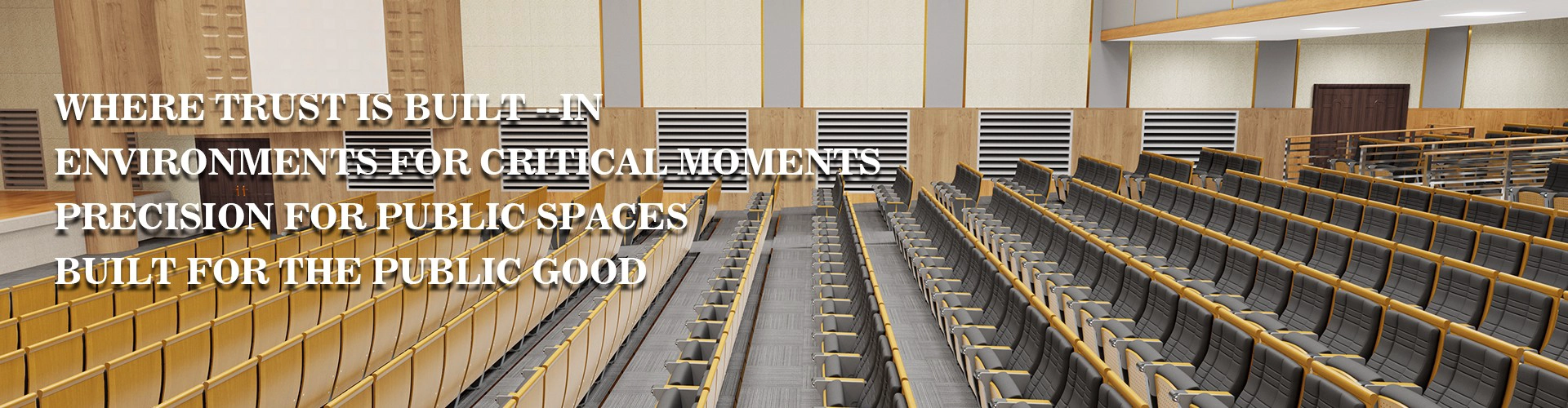
Visually, the two sizes of training chair are designed to be indistinguishable in a mixed classroom. The aesthetic language, fabric, and color palettes are identical, so a room looks unified rather than segregated by size. The specifier simply orders a ratio of A-to-B frames based on the demographics of the user base—perhaps a 60/40 split. This dual-size system directly addresses a massive pain point for corporate HR departments dealing with ergonomic complaints. It also reduces the need for fiddly, breakable adjustable mechanisms. Instead of a height-adjustable lumbar support that often gets snapped off in a training chair, the support is molded into the exact correct position for the target height range. This increases durability because there are fewer moving parts to fail.
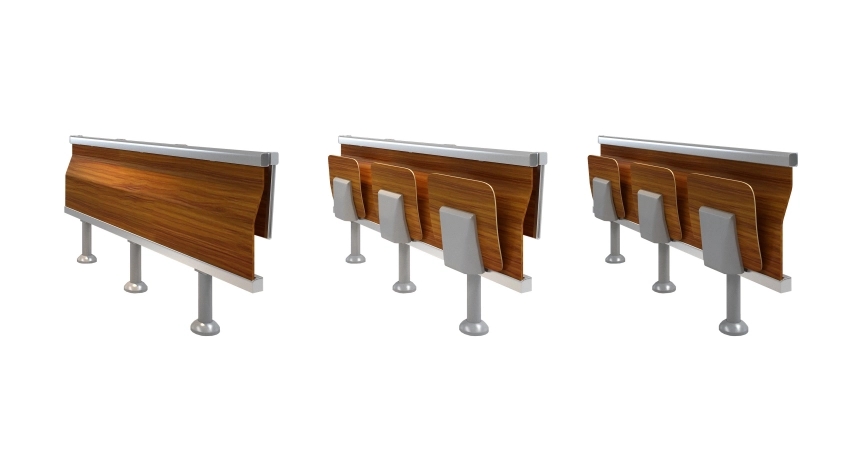
Diversity and inclusion policies are increasingly specific about physical accommodation, moving beyond disabilities to include the broader spectrum of human morphology. The dual-size training chair is a concrete manifestation of that policy. It sends a message that the organization does not view its employees or students as generic, interchangeable units. Early pilots in co-working spaces and university libraries have shown that user satisfaction scores for seating jump by over 40% when people are offered a choice of frame size. The training chair sector has traditionally chased a one-size-fits-all grail of adjustability, but this new approach suggests that a simple choice between two perfectly fitted fixed molds might be more robust, cheaper, and ultimately more effective for the high-use, high-abuse training environment.