





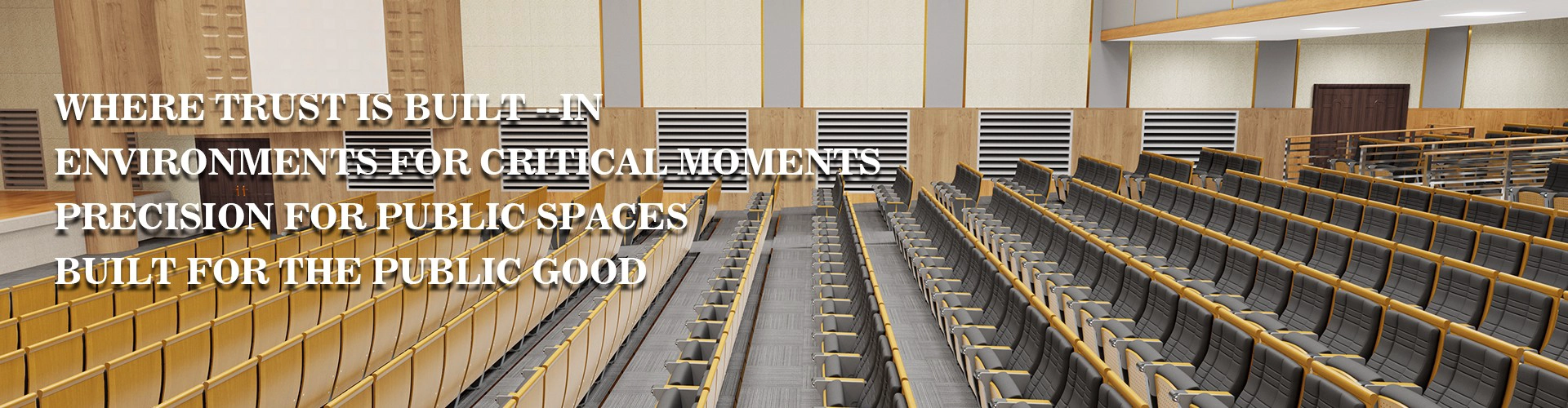
The Modular Revolution: Flexibility in High-Traffic Zones
The needs of public spaces are rarely static. A train station concourse might need to accommodate a morning rush of commuters, an afternoon of tourists, and an evening event setup. Traditional fixed seating cannot adapt to these fluctuating demands. Enter the era of modular furniture—versatile, reconfigurable, and designed for the dynamic nature of modern life.
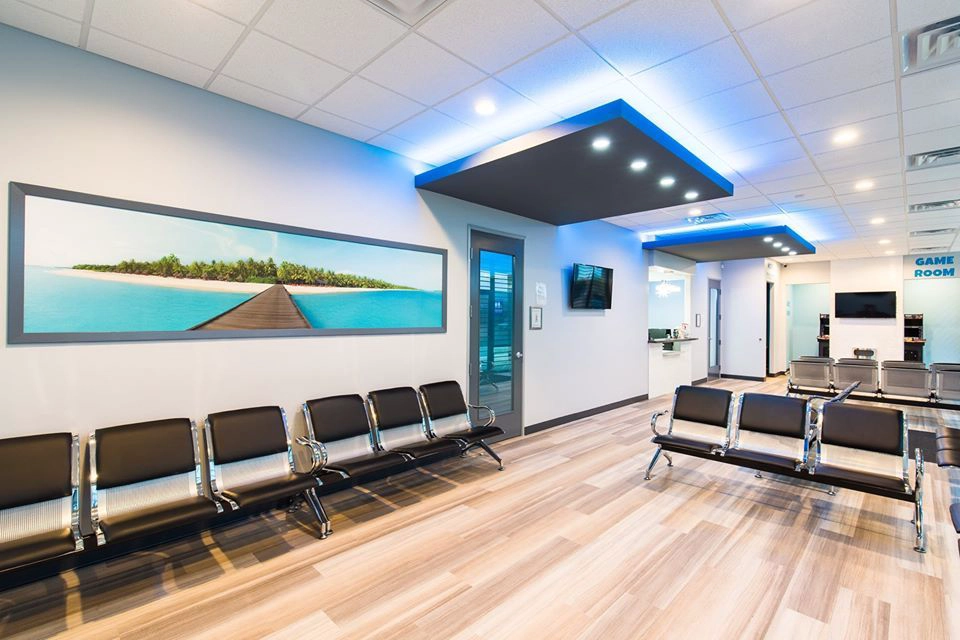
Modular systems allow facility managers to change the layout of a space in minutes. A row of connected seats can be easily expanded or reduced. A waiting chair unit designed for a single person can be linked with others to create a communal bench or separated to create individual spaces. This flexibility is invaluable in venues like exhibition centers or stadiums, where the function of the space changes daily.
The mechanics behind these systems have become incredibly user-friendly. Hidden connectors and lightweight yet durable materials mean that reconfiguring a waiting chair arrangement does not require a team of technicians. Staff can move pieces to create social distancing clusters, clear pathways for accessibility, or open up floor space for pop-up events. This agility allows venues to maximize their square footage and revenue potential.
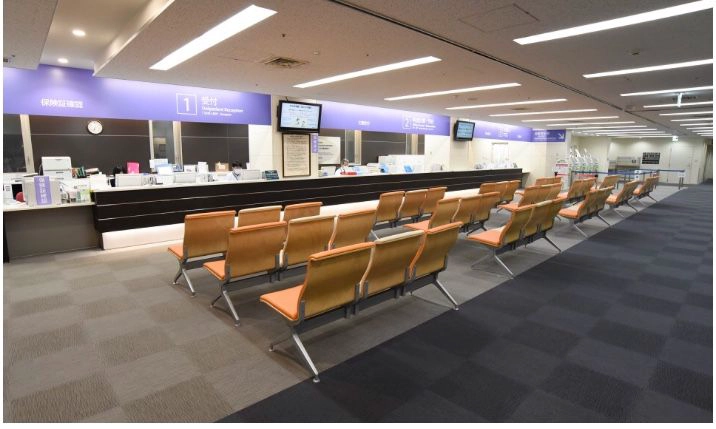
Beyond functionality, modular furniture offers a psychological benefit. It gives users a sense of control over their environment. If a space feels too crowded, a user might move a chair slightly to create a personal bubble. If a group arrives together, they can arrange the seating to face each other. The waiting chair becomes a tool for social interaction rather than a barrier. This user-centric design philosophy is becoming a standard in the specification of furniture for airports, malls, and civic centers worldwide.