





Hygiene First: Antimicrobial Technologies in Public Seating
The global pandemic fundamentally changed our relationship with public surfaces. Suddenly, the simple act of sitting down in a shared space carried a perceived risk. In response, the furniture industry has accelerated the development and integration of antimicrobial technologies, making hygiene a primary selling point for commercial seating.
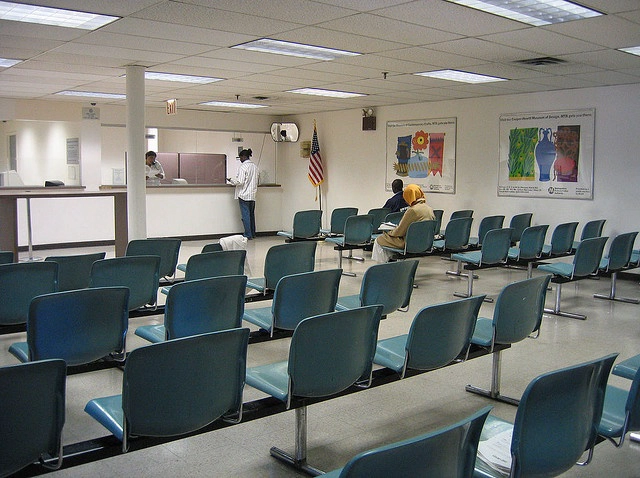
Today's waiting chair is often engineered with built-in protection. Manufacturers are embedding silver-ion technology and copper-infused materials directly into the plastic or fabric of the seat. These materials actively inhibit the growth of bacteria, viruses, and mold, providing an extra layer of safety for users. This is particularly crucial in high-touch environments like hospitals, schools, and public transport hubs where thousands of people interact with the furniture daily.
Cleaning protocols have also influenced design. The ideal modern seat is seamless, with no cracks or crevices where dirt and germs can hide. A waiting chair with a smooth, non-porous surface can be wiped down quickly and thoroughly with strong disinfectants without degrading the material. This ease of maintenance is a top priority for facility managers who need to ensure high standards of cleanliness with limited staffing.
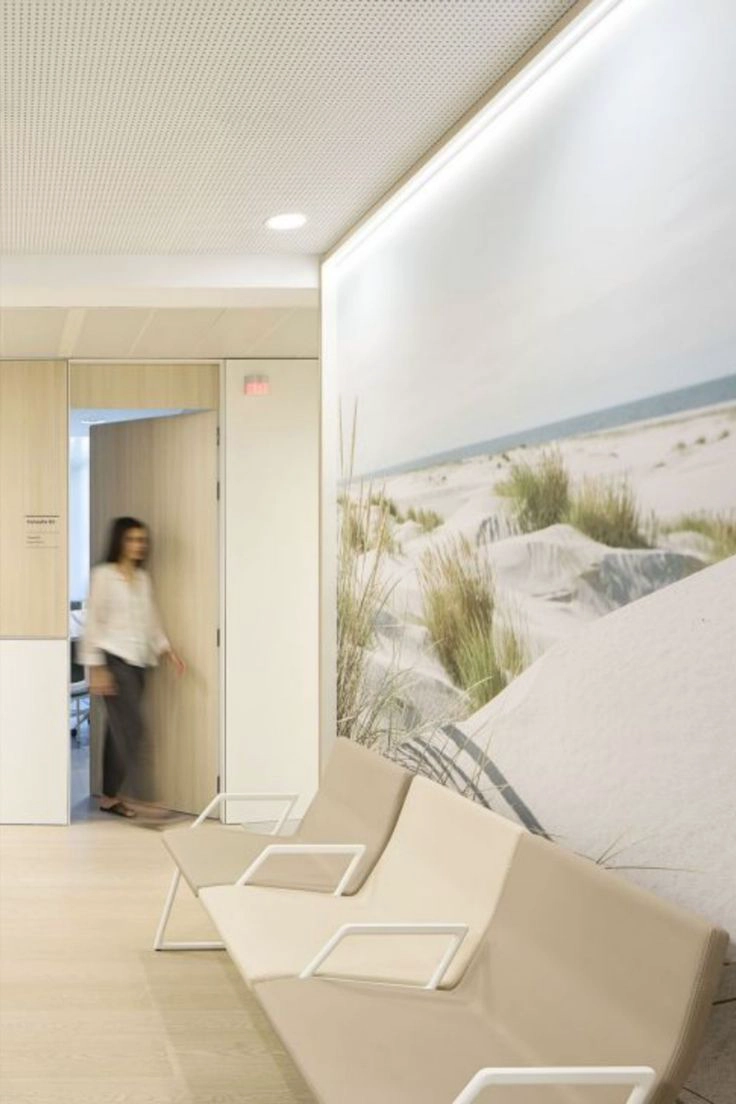
Consumer confidence is slowly returning, but the expectation for hygiene remains high. Visitors are more likely to use a facility if they perceive it to be clean and safe. By visibly investing in antimicrobial waiting chair solutions, businesses can reassure their customers that their health is a priority. This focus on hygiene is likely to remain a dominant trend in the industry for years to come, driving innovation in materials and surface coatings.