





The Nomadic Classroom: A School Desk and Chair That Packs into a Backpack
For the children of seasonal migrant workers, circus performers, and military families, a stable classroom is a distant dream. An industrial designer has created a "classroom in a backpack" — a school desk and chair that folds down into a compact, waterproof kit and can be set up under a tree, in a tent, or in the corner of a temporary shelter within minutes.
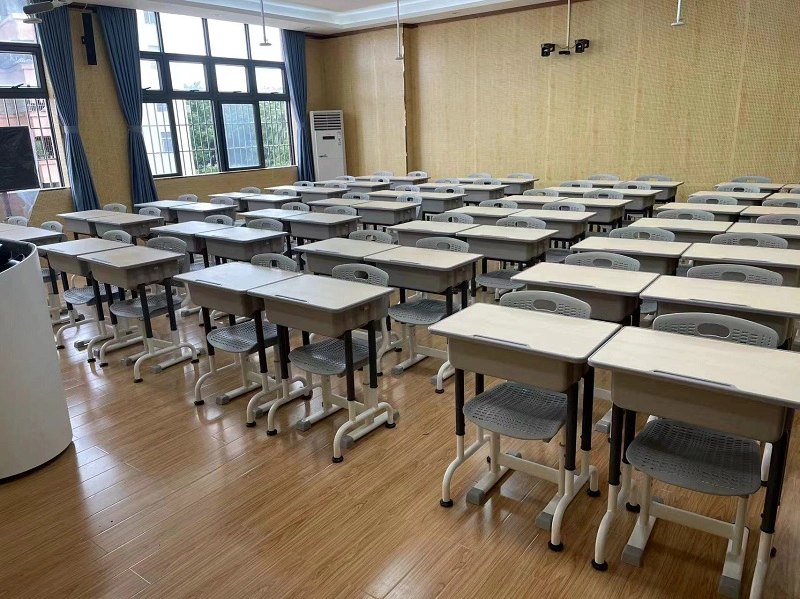
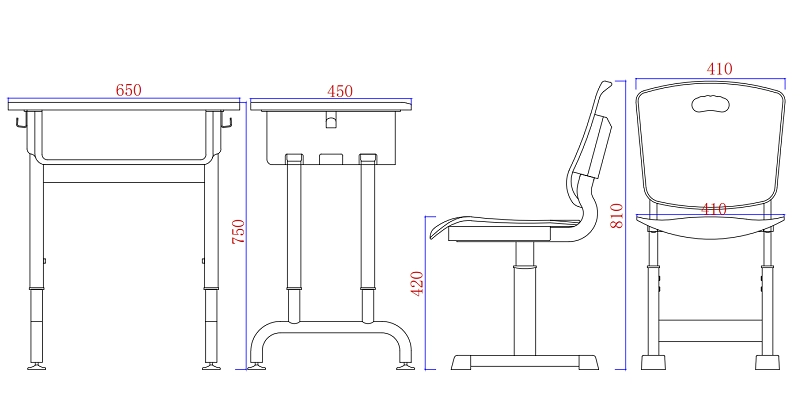
Highly mobile children, some of whom change locations every few weeks, suffer from the most extreme form of educational discontinuity. The "EduPack" is a response to their specific needs. The entire school desk and chair kit weighs less than eight kilograms and fits into a standard hiking backpack. The frame is constructed from lightweight, collapsible aluminum tent poles that snap together with shock-corded joints. The desk surface and chair seat are made from a tensioned, high-tenacity waterproof fabric that zips onto the frame, creating a firm, stable writing platform and a supportive bucket seat. The angle of the desk is adjustable, and the chair height can be set for a child or a teenager. The setup takes under four minutes and requires no tools. The kit also includes a small, roll-up solar panel that charges a tablet or a reading light, integrated into a pocket on the desk fabric.
The design prioritizes durability and repairability. The aluminum poles are standard tent-repair items, replaceable anywhere. The fabric panels are stitched with military-grade thread and can be patched if punctured. The entire school desk and chair is designed to be field-serviced by its user, a child who is learning resilience and self-sufficiency alongside their formal curriculum. The fabric is printed with a world map, a periodic table, or a multiplication grid, turning the desk surface itself into a reference resource. When the family moves on, the EduPack is disassembled, packed up, and the child’s personal learning environment travels with them, providing a rare thread of continuity in a transient life.
The EduPack is being distributed through NGOs serving refugee camps, circus communities in Europe, and military family support networks. The cost is around $80 per unit at scale, funded by donations. The psychological value of a personal, portable school desk and chair in these circumstances cannot be overstated. It provides a private, defined workspace in chaotic, overcrowded environments. It signals to the child and their family that education is a portable, non-negotiable priority. It gives the child ownership of their own learning space at a time when they own very little else. This project demonstrates that the essence of a school desk and chair is not the material it's made of, but the psychological boundary it creates: a focused, dedicated space for the mind to grow.