




The Psychology of Color and Form in Waiting Areas
Waiting is often associated with boredom, anxiety, or frustration. Whether it is waiting for a flight, a doctor's appointment, or a job interview, the emotional state of the visitor is rarely positive. However, environmental psychology suggests that the design of the waiting area, particularly the furniture, can significantly influence these emotions. Smart designers are using color theory and form to manipulate the mood of a space.
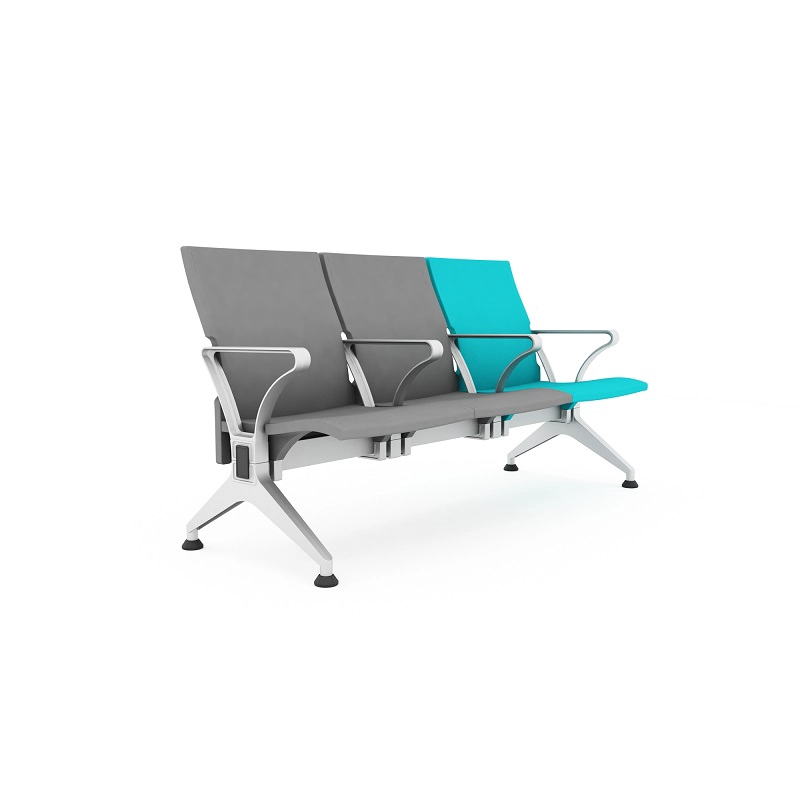
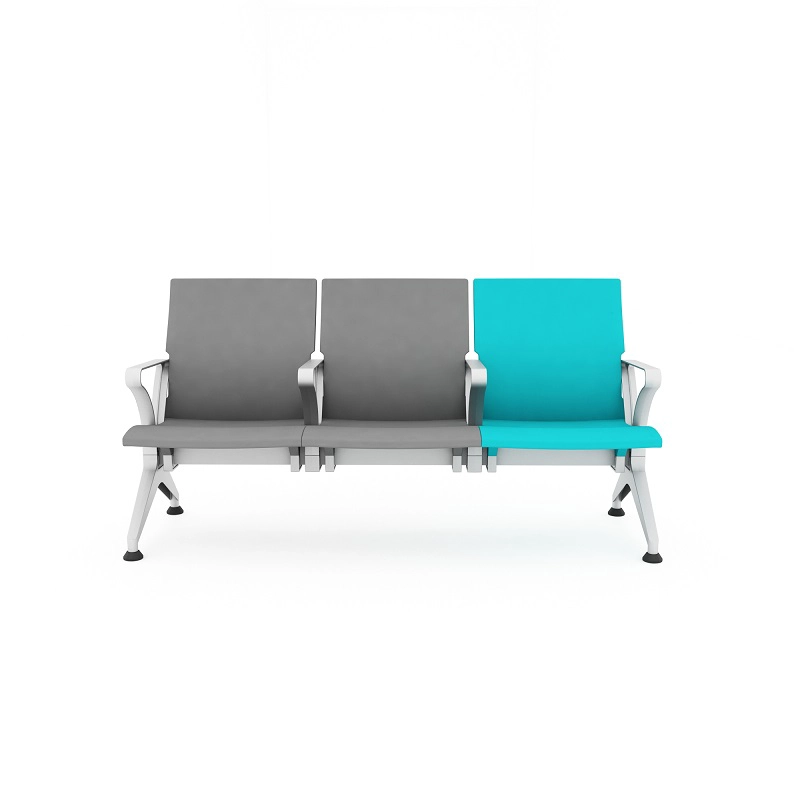
The choice of a waiting chair is not just about function; it is about feeling. Blue and green tones are often used in healthcare settings because they are known to lower blood pressure and induce calmness. In contrast, vibrant reds or yellows might be used in a creative agency's lobby to stimulate energy and conversation. The color of the seat acts as a subtle cue to the visitor, guiding their emotional response to the environment.
Form also plays a critical role. Sharp, angular lines can convey efficiency and modernity but might feel aggressive or unwelcoming. Curved, organic shapes tend to be more inviting and soothing. A waiting chair with a rounded backrest and soft edges subconsciously signals safety and comfort. This is why we are seeing a shift away from the rigid, boxy benches of the 90s toward softer, more sculptural forms in modern interiors.
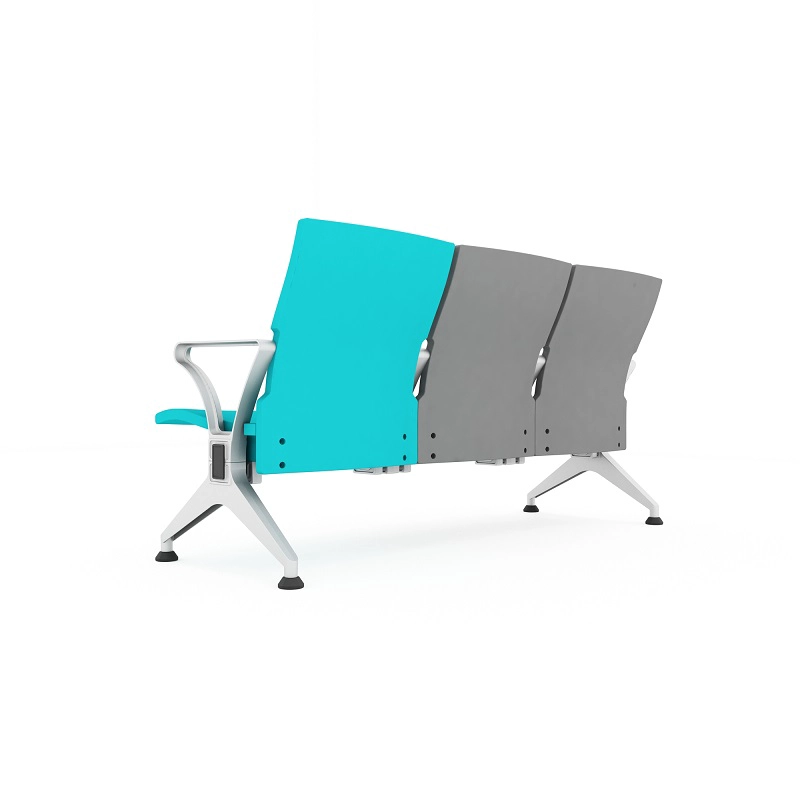
Furthermore, the arrangement of these chairs dictates social dynamics. Facing chairs toward a view or a focal point can distract from the wait, while clustering them encourages interaction. A well-designed waiting chair setup can transform a lonely, tedious experience into a moment of respite or connection. By understanding the psychology of the user, designers can create spaces that do not just hold people, but actually help them feel better while they wait.