





The "Second Prescription" in Hospitals: A Humanized Revolution in Medical Waiting Chairs
The medical setting is the most crucial and unique area for waiting chair applications. Here, the users of the chairs are patients with physical discomfort, anxious family members, and busy medical staff. Therefore, the design logic of medical waiting chairs must shift from simply "durability" to comprehensive "patient-centered" care.
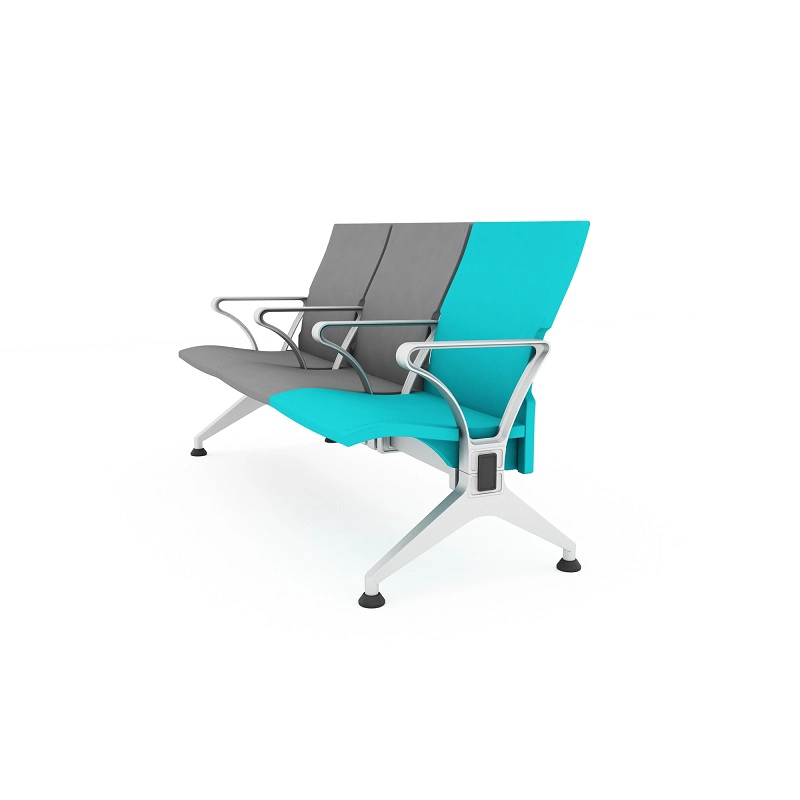
The first dimension of this revolution is the **medical-grade improvement of comfort**. Traditional hard chair surfaces are being replaced by high-resilience foam, breathable mesh fabric, and soft padding designed to conform to the human spine's curves. Studies show that good lumbar and back support can effectively alleviate patients' pain and reduce anxiety. Some advanced medical waiting chairs even incorporate antibacterial coating technology; the chair surface material itself inhibits bacterial growth, ensuring public health and safety from the source.
The second dimension is **privacy and care in spatial layout**. Traditional rows of chairs, while space-saving, lack privacy, making patients who need to discuss their medical conditions feel awkward. New design concepts are introducing semi-enclosed "cocoon-shaped" seats, or adding appropriate partitions between rows of chairs, providing patients with a relatively independent and quiet waiting space. At the same time, specially designed accessible waiting chairs and priority seating for the elderly, pregnant women, and people with disabilities demonstrate the compassionate side of medical services.
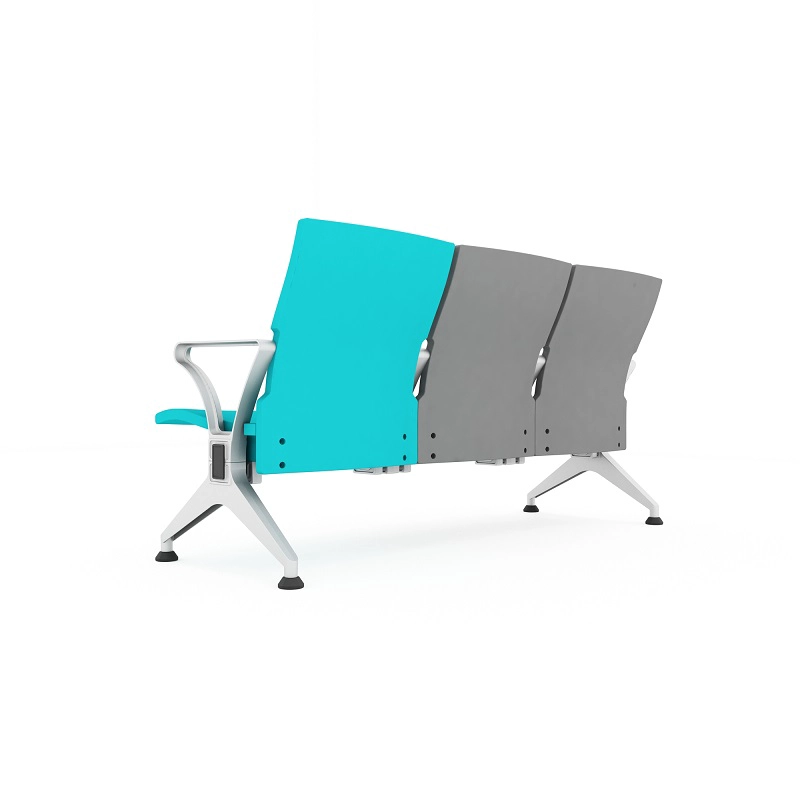
The third dimension is the **integration and extension of functions**. Modern medical waiting chairs are no longer just a tool for "sitting"; they are beginning to connect with medical information systems. For example, the smart display screen on the back of the chair can display queuing information in real time, preventing patients from missing their appointments due to moving around; the integrated IV hooks and small tables on the armrests provide great convenience for patients who need intravenous infusions or need to record medical information.
Behind this humanized revolution is the increased awareness among hospital administrators of the importance of the "patient experience." The waiting environment of a hospital directly affects patients' overall evaluation of medical services. Comfortable waiting chairs not only alleviate patients' physical and mental distress but also, to some extent, reduce tension between doctors and patients.
In short, the evolution of medical waiting chairs is a microcosm of the shift in modern medical services from a "disease-centered" approach to a "health-centered" approach. It soothes the hearts of every waiting person with silent care, filling the cold medical buildings with human warmth. In the future, medical waiting chairs will not only be facilities for rest but also material carriers of the hospital's spirit of humanistic care.