





The Zero-Waste Training Chair: Mushroom Mycelium and Hemp Biocomposites
What if your training chair, at the end of its life, could be buried in your garden and disappear? A highly experimental material science lab has grown a structurally sound, fire-retardant training chair using living mycelium, the root structure of mushrooms.
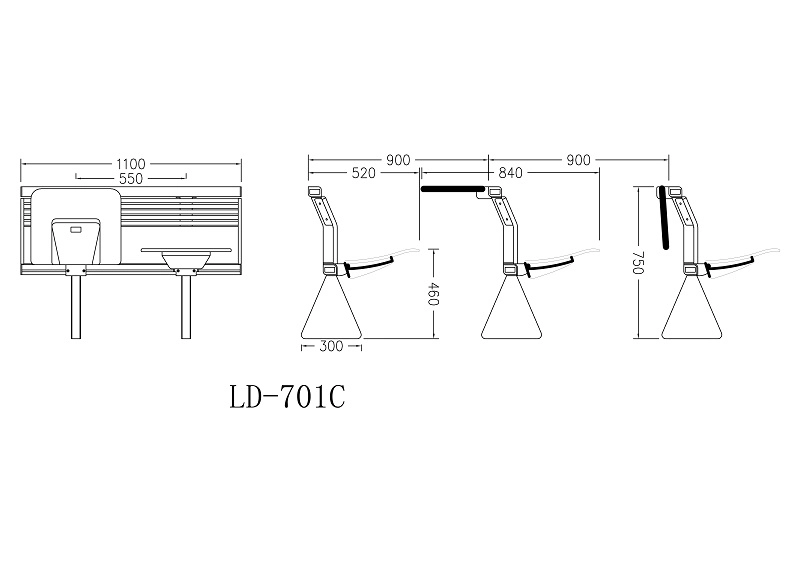
The quest for a truly circular economy in commercial furniture requires moving beyond recycling into the realm of regenerative materials. A bio-design collective has unveiled a proof-of-concept training chair where the rigid shell is "grown" rather than manufactured. The process begins with a mold filled with agricultural waste—hemp hurds and corn stalks—inoculated with mycelium spores. Over the course of five days in a dark, climate-controlled room, the mycelium digests the waste and binds it into a dense, composite material that has the structural integrity of medium-density fiberboard, but weighs significantly less. Once dried, the organism is rendered inert. The resulting training chair shell is completely organic, compostable, and requires almost zero energy to produce. It looks and feels like a textured cork, with the soft, earthy aesthetic of a futuristic hobbit home.
The functional performance of this mycelium training chair has been painstakingly engineered. The material is naturally hydrophobic (repelling water) and has a remarkable fire resistance rating (Euroclass B1) without any added chemical flame retardants—the char layer that forms when heated naturally extinguishes the material. The shell is finished with a bio-based wax sealant that makes it smooth and cleanable, resistant to the coffee and ink spills of a training room. The chair is designed with a demountable steel leg subframe that can be unbolted and recycled, separating the high-value metal from the organic shell. When the training chair reaches its end of life, the mycelium shell is broken up and placed in a composter, where it becomes soil within 45 days.
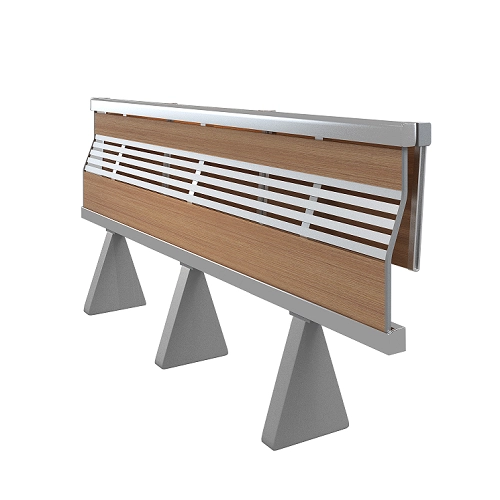
This is truly disruptive technology. The mycelium training chair is currently an artisanal, high-cost prototype, but the vision is to localize production. Imagine a "chair farm" in every major city, where training chairs are grown using local agricultural waste and shipped flat-pack with reusable metal legs. This cuts the carbon footprint to a fraction of a traditional plastic chair. For corporations that have signed the Climate Pledge and are targeting zero operational waste, leasing a fleet of compostable training chairs becomes a potent, visible symbol of their commitment. While industrial scaling is a few years away, this project definitively answers the question of what the ultimate sustainable training chair looks like: one that returns to the earth from which it came.