





The Neurodiverse Classroom: A Training Chair That Embraces Fidgeting and Deep Pressure
For a significant portion of learners, sitting still in a rigid, unresponsive chair is a form of torture that blocks cognition. A revolution in inclusive design has birthed a training chair that actively encourages controlled movement, providing the deep-pressure sensory input that calms an anxious nervous system and unlocks focus.
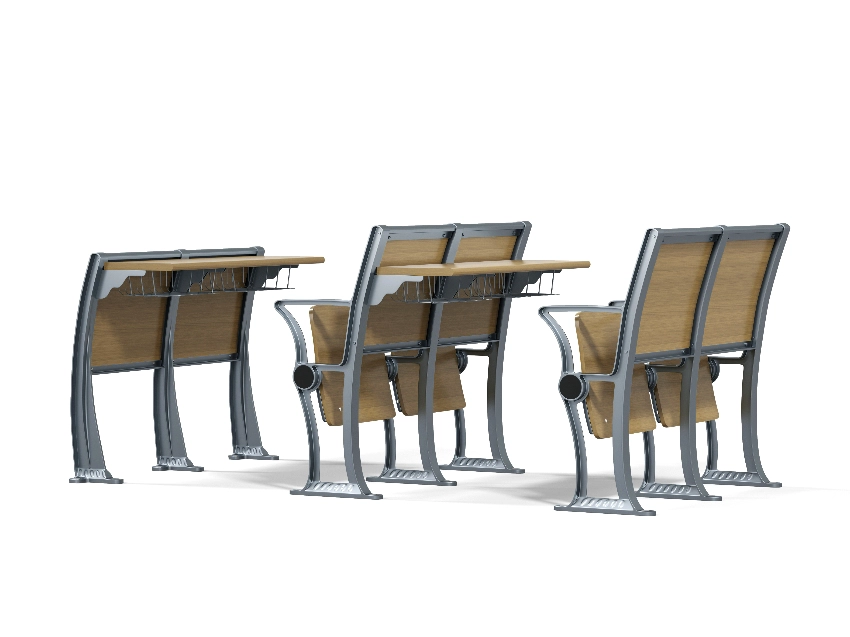
The concept of neurodiversity — recognizing that brains with ADHD, autism, and sensory processing differences are not broken but wired differently — is finally reshaping industrial design. Standard classroom and corporate training chairs assume a neurotypical user who can filter out ambient stimuli and regulate their own body awareness. For someone with sensory seeking or avoidance needs, the unforgiving hardness of a polypropylene shell can trigger a cascade of discomfort that makes learning impossible. A specialized manufacturer in Denmark, working closely with occupational therapists, has created the "SensoryWing" — a training chair that functions as a therapeutic tool disguised as standard furniture. The shell is designed to flex and "bounce back" with a living-hinge technology that allows the user to rock, twist, and push back against the backrest without tipping or making noise. This dynamic resistance gives the user's muscles and joints the proprioceptive feedback they crave, a grounding mechanism that allows the brain to concentrate on the lesson.
The deep-pressure seating element is what sets this training chair apart. The seat pan contains an inflatable, multi-chambered air bladder controlled by a silent manual pump integrated into the armrest. By squeezing a discreet bulb, the user can adjust the firmness and contour of the seat to wrap gently around their hips and thighs. This sensation of being "hugged" by the training chair mimics the calming effect of a weighted blanket, triggering the release of serotonin and dopamine while reducing the stress hormone cortisol. The upholstery is a critical component of this therapeutic effect. Rather than using a slick, cold contract vinyl, the SensoryWing uses a soft, brushed microfiber that provides a comforting tactile experience without pilling. The armrests are removable caps that can be swapped out for textured silicone "fidget strips" with patterns of bumps and ridges, offering a subtle and silent outlet for restless hands. This training chair does not isolate the user; it is visually harmonious with other seating in the room, ensuring dignity and inclusion are preserved.
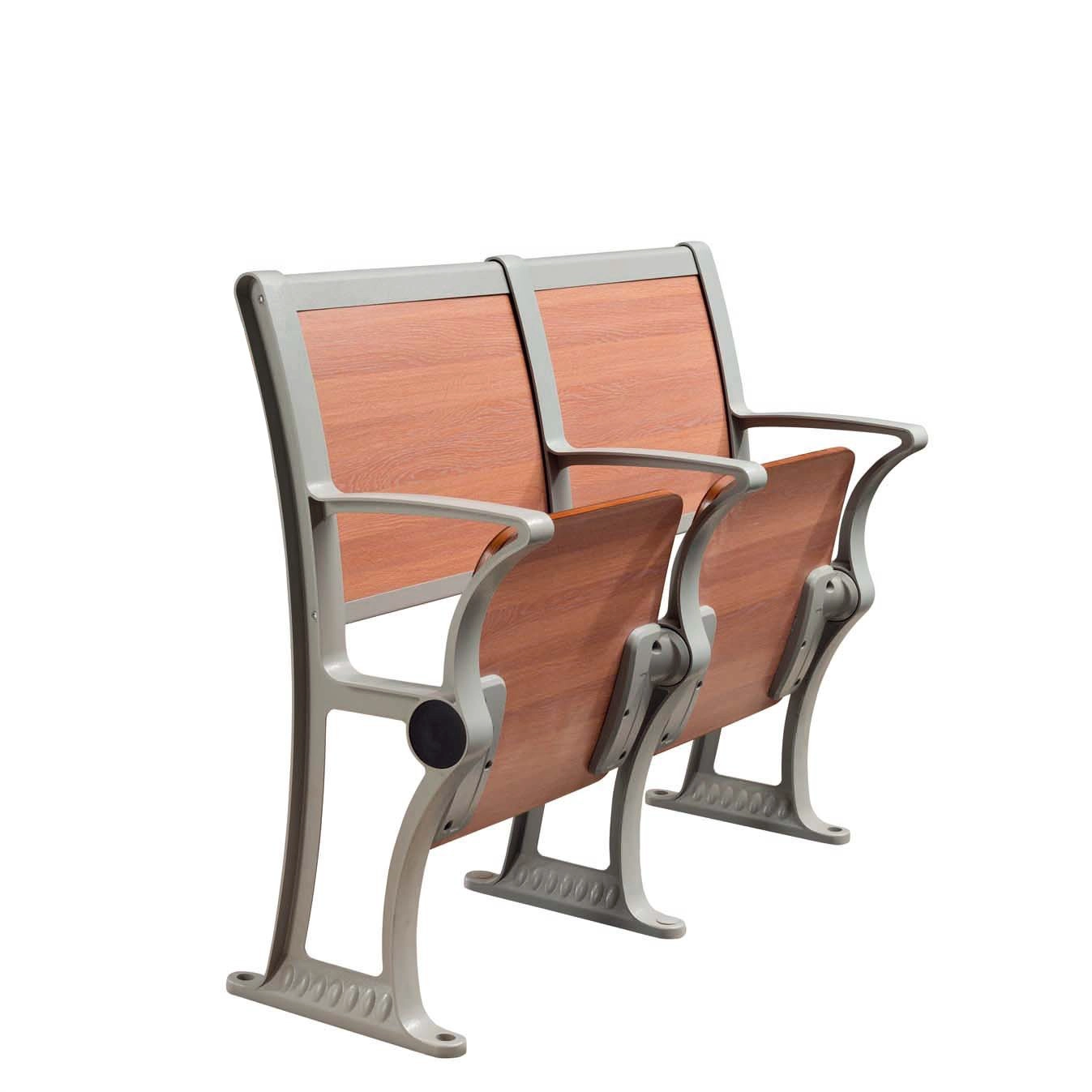
Facilities and training managers are responding to the demand for sensory-inclusive environments not as a niche accommodation but as a universal design principle. Studies show that even neurotypical learners benefit from dynamic seating that allows micro-movements throughout the day. By offering a training chair that allows for this spectrum of sensory regulation, organizations are preempting the disruptive behaviors that arise from physical discomfort — the leg-bouncing that shakes tables, the chair-tipping that leads to falls. The chair is specified for "flexible focus zones" in libraries and corporate learning centers. Moreover, the modular nature of the SensoryWing training chair allows it to be reconfigured. The bladder can be deflated for a standard sitting experience, and the fidget strips can be replaced with standard arm pads. It embodies a principle that the most advanced learning technology is sometimes not a screen, but a piece of furniture that understands the biological requirement to move in order to think.