






U.S. ADA Standards Drive Demand for Accessible Auditorium Seats, Manufacturers Adapt to New Requirements
The 2010 ADA Standards for Accessible Design, enforced by the U.S. Department of Justice, have become a key driver of demand for accessible auditorium seats in the United States, as venue operators seek to comply with the strict regulations and ensure that their facilities are accessible to people with disabilities. The standards, which set minimum requirements for newly designed and constructed or altered public accommodations, including auditoriums, have forced manufacturers to adapt their designs and production processes to create auditorium seats that meet the needs of all attendees, including those with mobility, hearing, and visual impairments. This shift has not only improved inclusivity but also driven innovation in the U.S. auditorium seats industry.
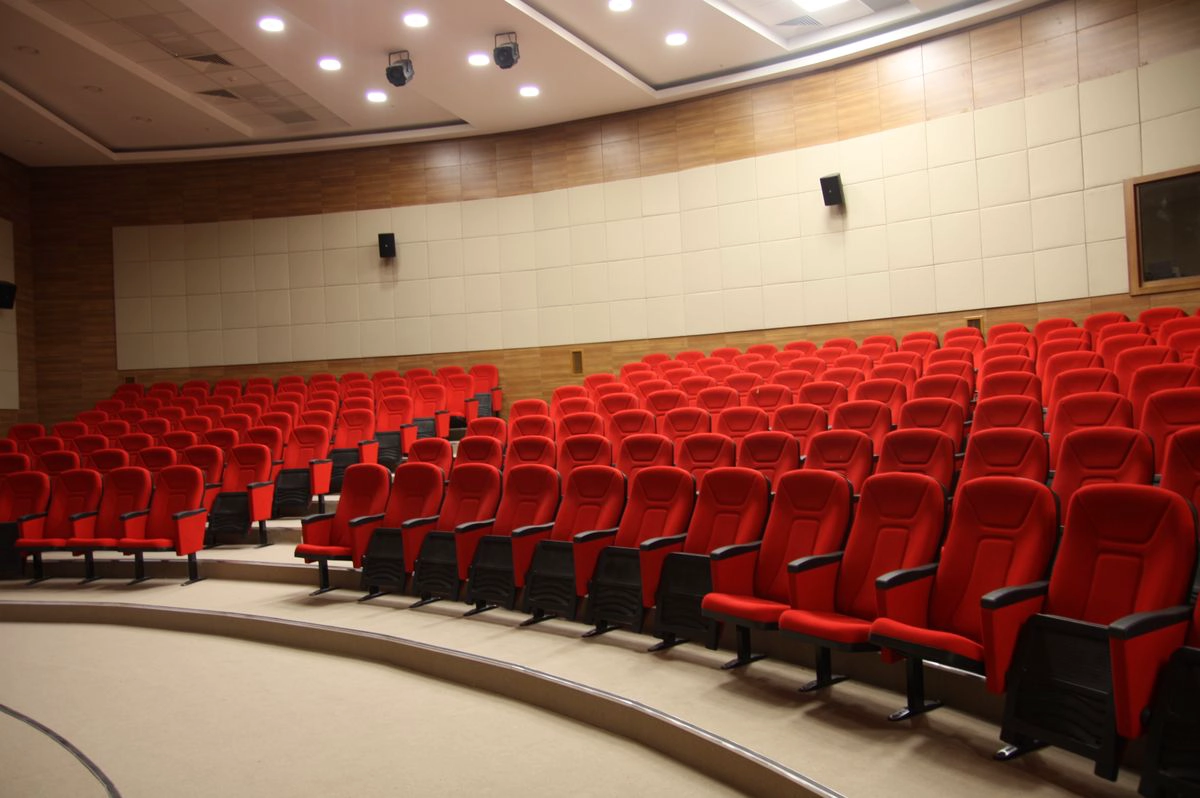
The 2010 ADA Standards specify that auditoriums must provide accessible seating in proportion to their total capacity, with at least one wheelchair-accessible seat for every 100 seats, and additional seats for companions. These accessible auditorium seats must be located in areas that provide a clear view of the stage or lecture area, with extra space for wheelchairs and companions. The standards also require that accessible seats be equipped with features such as adjustable armrests, easy-to-reach controls, and hearing loop systems for people with hearing impairments. Additionally, the path to the accessible seats must be barrier-free, with ramps and elevators provided to ensure easy access.
U.S. manufacturers of auditorium seats have responded to the ADA Standards by developing a range of accessible products that meet the regulations. For example, Hussey Seating Company, a leading U.S.-based manufacturer, has launched a line of accessible auditorium seats that feature wheelchair securement systems, adjustable armrests, and integrated hearing loop systems. The seats are designed to be durable and comfortable, with ergonomic cushioning and optimal sightlines, ensuring that people with disabilities can enjoy the same experience as other attendees. Another U.S. manufacturer, Irwin Seating Company, has developed accessible auditorium seats with visual alerts for people with hearing impairments, as well as Braille labels for people with visual impairments.
The demand for accessible auditorium seats has been particularly strong in educational institutions, theaters, and conference centers across the United States. For example, the Kauffman Center for the Performing Arts in Kansas City, Missouri, has recently installed new accessible auditorium seats as part of a renovation project, ensuring compliance with the ADA Standards and improving the venue’s inclusivity. The University of Texas at Austin has also invested in accessible auditorium seats for its lecture halls, providing students with disabilities with equal access to educational opportunities.
Venue operators are also investing in retrofitting existing auditorium seats to meet the ADA Standards, as the regulations require that altered facilities comply with the new requirements. This has created a significant market for renovation services, with manufacturers and installation companies working together to upgrade outdated seating. For example, many older theaters in New York City and Los Angeles are currently undergoing renovations to replace their existing seats with accessible auditorium seats, ensuring compliance with the law and improving the overall audience experience.
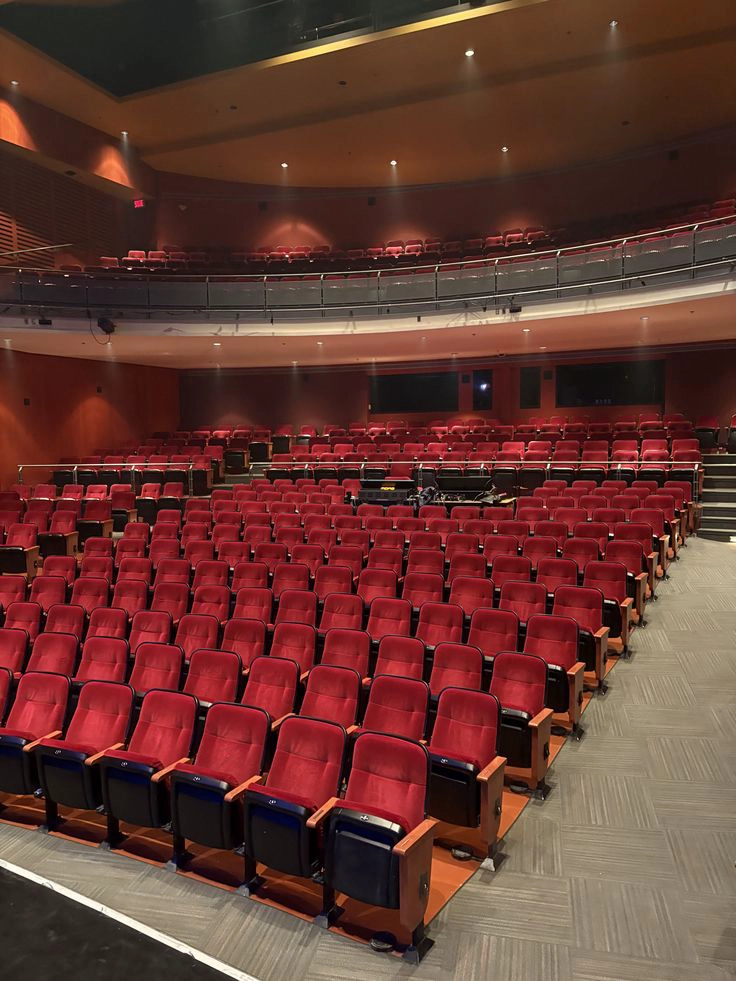
Industry analysts note that the ADA Standards have had a positive impact on the U.S. auditorium seats industry, driving innovation and improving inclusivity. Manufacturers that prioritize accessible design are likely to gain a competitive edge in the market, as venue operators increasingly seek to comply with the regulations and improve the accessibility of their facilities. The standards have also raised awareness about the importance of inclusivity in public spaces, leading to a growing demand for accessible auditorium seats in other regions around the world.
While the ADA Standards present challenges for manufacturers and venue operators, they also offer opportunities for growth. The demand for accessible auditorium seats is expected to continue growing in the United States, as more venues seek to comply with the regulations and improve their inclusivity. Additionally, the standards have encouraged manufacturers to develop innovative features that benefit all attendees, such as ergonomic design and improved comfort, making auditorium seats more appealing to a wider range of users.
Looking ahead, the U.S. auditorium seats industry will continue to adapt to the ADA Standards, with a focus on developing innovative, accessible, and high-quality seating solutions. As the industry evolves, auditorium seats will become more inclusive, comfortable, and functional, ensuring that everyone has the opportunity to enjoy cultural, educational, and professional events in public spaces.