





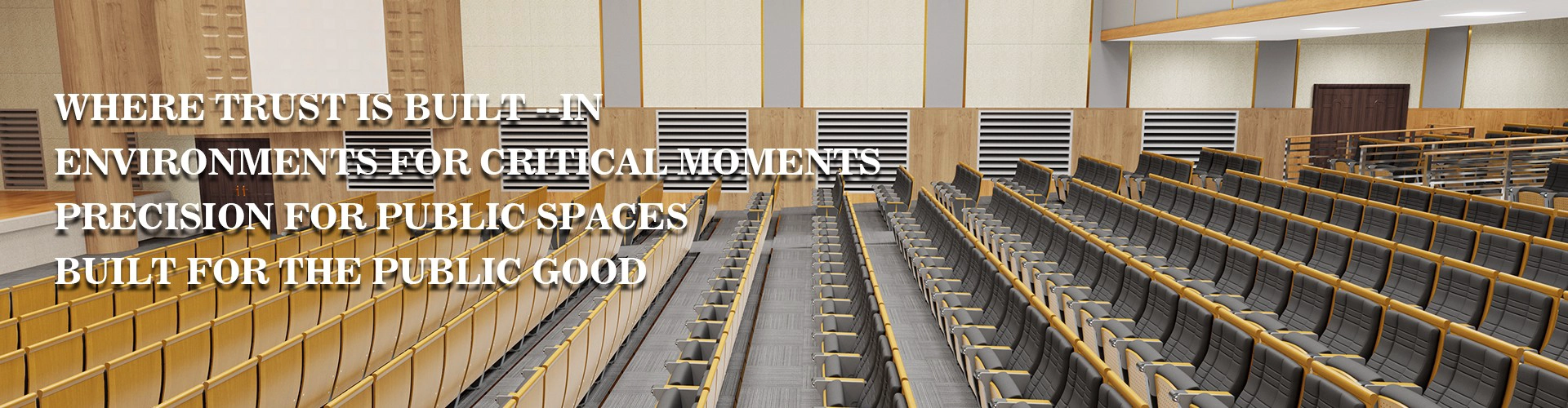
University Lecture Hall Makeover: $20M Grant Targets Outdated Auditorium Seats
Across the United States, state universities are grappling with aging infrastructure, and the creaky, broken auditorium seats in lecture halls are first in line for a historic overhaul thanks to a new wave of deferred-maintenance funding.
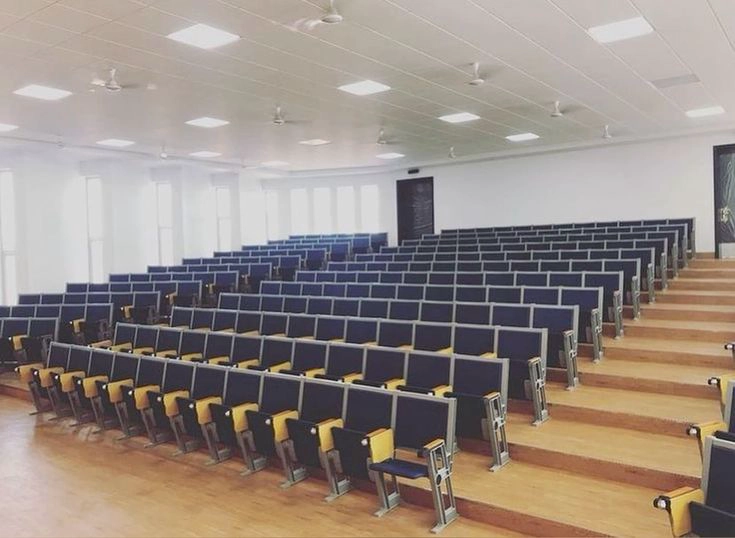
The sight is familiar to generations of students: a wobbly tablet arm etched with decades of graffiti, a torn seat cushion that sank six inches the moment you sat down. For years, capital-starved institutions patched and propped up mid-century lecture hall seating, but the post-pandemic emphasis on campus experience has finally unlocked the purse strings. A consortium of midwestern public universities recently secured a $20 million state-funded grant specifically dedicated to replacing or refurbishing 28,000 auditorium seats across forty lecture theaters. The project brief goes far beyond simply swapping old for new. Each replacement seat must now support active learning pedagogy: integrated power outlets, dual USB-C charging ports, and a spacious tablet arm that can accommodate both a notebook and a tablet side-by-side. The deep upholstered fold-down seat must be sturdy enough to withstand a sudden 350-pound dynamic load yet light enough to operate with one finger.
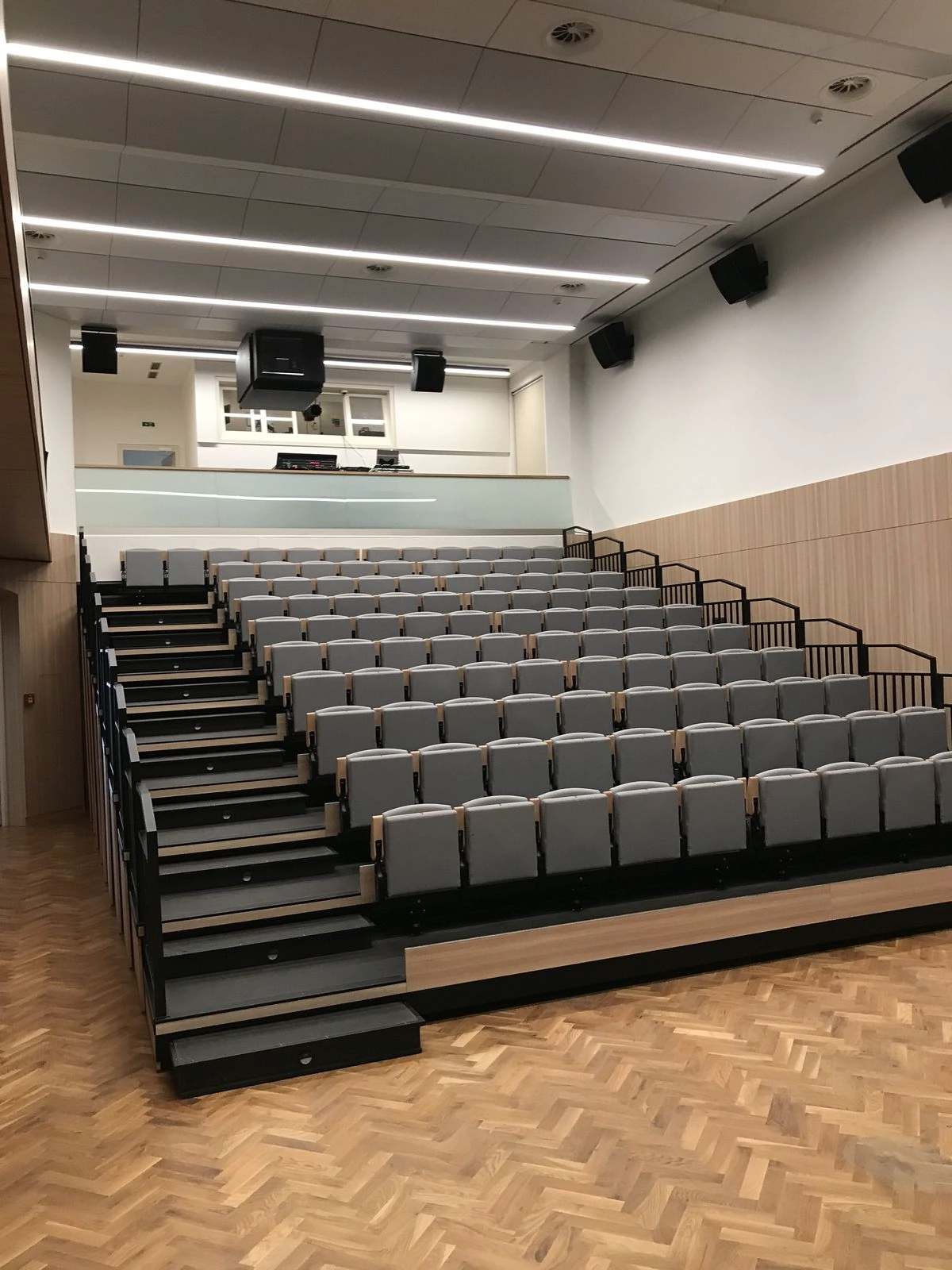
Flexibility is a cornerstone of the redesign. Many lecture halls are being retrofitted with auditorium seats mounted on tiered rail systems that allow rows to be easily respaced, converting a dense 400-seat plenary hall into a cluster of 150-seat collaborative pods with wide aisles for roaming instructors. The finishes are being specified for extreme longevity: high-impact, graffiti-resistant polycarbonate backs, and anti-microbial, bleach-cleanable fabrics in neutral campus tones. Airflow is also a consideration; perforated seat pans and backrests improve ventilation through the seating tiers, reducing the “sick building” stuffiness that once made three-hour lectures an ordeal. The improved thermal comfort and personal power have been shown in early pilot studies to correlate with a measurable uptick in attendance and student satisfaction scores, key metrics in an increasingly competitive higher education market.
Beyond the physical product, the funding mandates a circular end-of-life plan for the old chairs. Each of the 28,000 decommissioned auditorium seats will be disassembled, with metal components entering the scrap stream and the fabric and foam being processed into energy recovery pellets. A portion of the timber armrests is being donated to the university’s theater department for set construction. This holistic approach turns a maintenance crisis into a sustainability showcase. As other public systems in California and New York watch the results, the massive midwestern lecture hall upgrade is becoming a national template for how to modernize outdated auditorium seats at scale, aligning infrastructure spending with both pedagogical innovation and environmental responsibility.