






Silence Please: Acoustic Auditorium Seats Absorb Noise for Perfect Sound
In the pursuit of acoustic perfection, every surface in a concert hall matters — including what audiences sit on. Engineers are now designing auditorium seats that actively manage reverberation and background noise, creating soundscapes of pristine clarity.
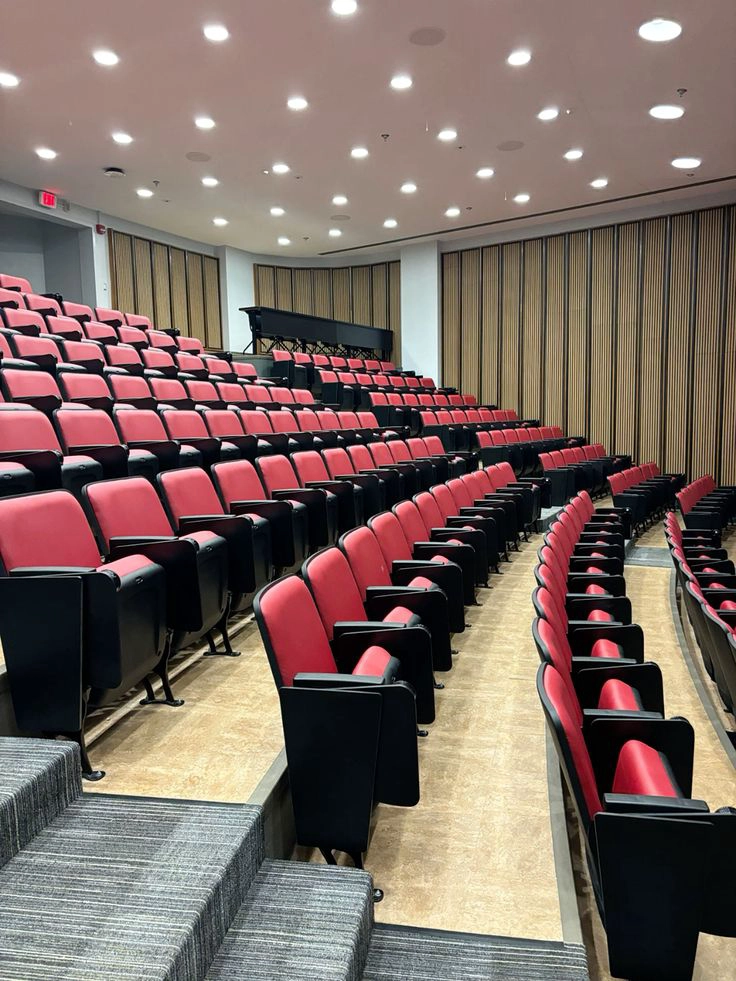
The acoustic problem with traditional seating is well documented. An empty upholstered chair absorbs sound differently than a human body, causing concert halls to ring with excessive reverberation during rehearsals and to become overly dry when full. Moreover, the creaks, pops, and rustles of an audience shifting position can intrude on pianissimo passages, adding an unintentional noise floor. To tackle these issues, acoustic engineers and furniture designers have collaborated on a new generation of auditorium seats that are, in effect, acoustic instruments in their own right. The breakthrough lies in the upholstery system: a high-mass limp membrane, usually a loaded vinyl septum, is suspended within the seat back and pan foam. This configuration absorbs low-mid frequencies exactly like a human torso, meaning the hall’s sonic signature remains stable regardless of occupancy. The Vienna Musikverein’s recent retrofit used these acoustically transparent auditorium seats to preserve the venue’s legendary golden sound while improving legroom.
Noise generation, not just absorption, is the second frontier. Silent-tip seat mechanisms are now engineered with fluid-damped, frictionless pivots that eliminate the metallic click of a spring-loaded seat slamming against its stops. One manufacturer uses magnetic eddy-current dampers adapted from high-end turntable technology, resulting in a seat that returns to its upright position in absolute silence. The armrests, traditionally a hollow clatter chamber, are now filled with a viscoelastic polymer that deadens impact sound. Such measures bring the ambient noise profile of a hall close to the threshold of audibility. Venue managers who have installed these advanced auditorium seats report a dramatic reduction in audience-generated noise complaints, noting that the silence between movements of a string quartet is now truly silent. This allows composers to use extreme dynamic ranges with confidence, knowing that the seats will not betray the moment.
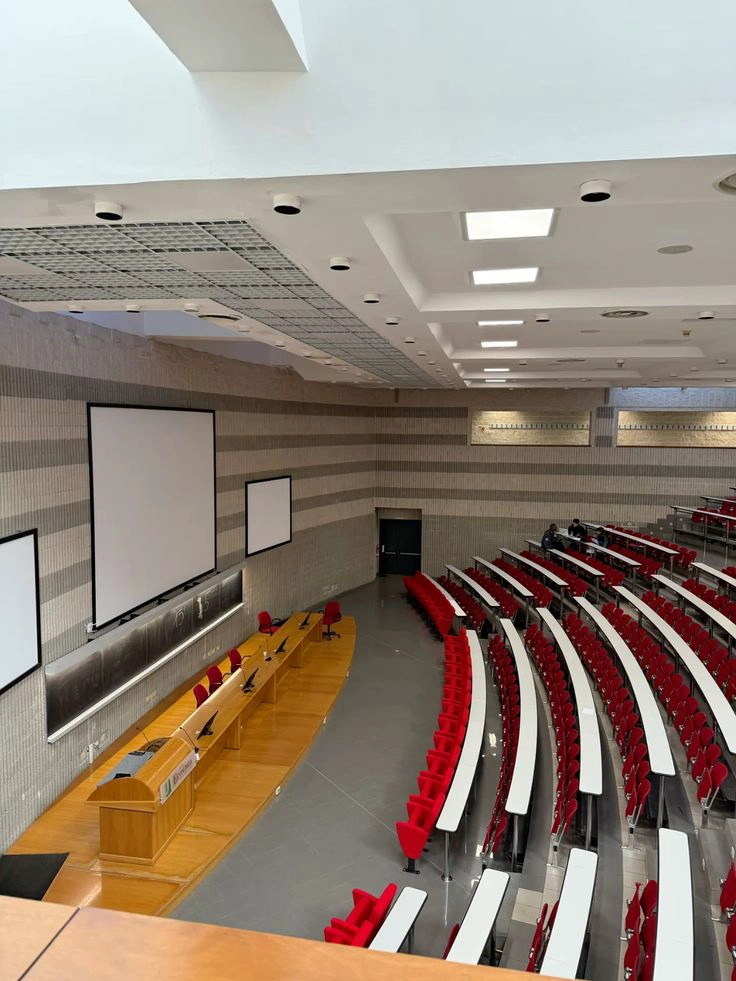
Custom acoustic tuning is becoming a service that seat manufacturers offer alongside the furniture. Using in-situ impulse response measurements, they can adjust the absorption characteristics of specific rows. For example, the balcony front rows might require slightly more low-frequency absorption to prevent bass buildup, while the stalls might need reflective under-seat panels to maintain orchestral warmth. This creates a custom-curve of acoustically optimized auditorium seats deployed throughout the hall, transforming the seating layout into a distributed passive acoustic treatment. As digital acoustic simulation tools become more sophisticated, the ability to model and manufacture seating with precise, predictable sound behavior is elevating the design of auditorium seats from a furnishing decision to a fundamental acoustical engineering task.