





Waiting is no longer boring: Smart training chairs are reshaping the public space experience
In public places such as airports, hospitals, and government service halls, long waits are often accompanied by anxiety and fatigue. However, as people's demands for the public space experience increase, waiting chairs, as basic supporting facilities, are undergoing a profound transformation. They are no longer just simple tools for people to rest, but are evolving towards greater comfort, intelligence, and humanization. Among these, new waiting chairs incorporating training chair design concepts are becoming a new trend in the industry.
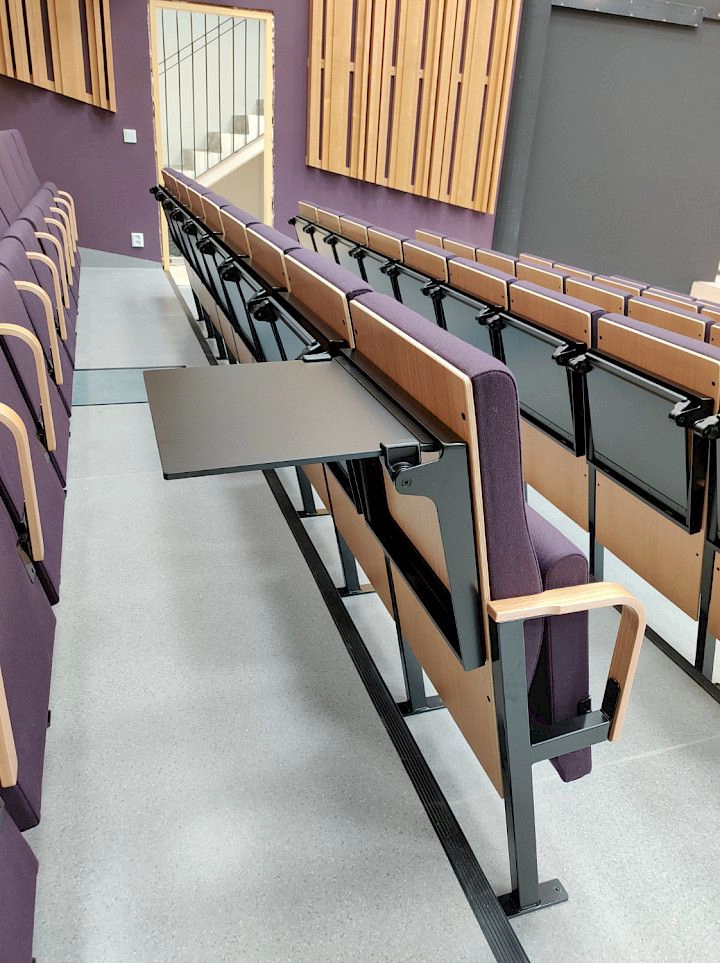
Traditional waiting chairs are often criticized for their rigid design, cramped space, and limited functionality. While waiting, people may experience back pain due to uncomfortable posture or be unable to perform temporary tasks due to the lack of a supportive surface, resulting in a poor experience. Especially in scenarios requiring long waits, a chair that provides good support and even has some work or study functions is particularly important.
It is based on this market demand that new smart waiting chairs have emerged. Their core highlight lies in their adoption of ergonomic design concepts from professional training chairs. Designers have delved into the curves of the human sitting posture, employing highly elastic mesh fabric and a scientifically designed backrest curvature to provide just the right amount of support for the user's spine, effectively alleviating fatigue from prolonged sitting. Meanwhile, some high-end models are also equipped with adjustable lumbar supports and headrests to meet the personalized needs of people with different body types, ensuring comfort and dignity even while waiting.
Beyond comfort, intelligent features are another major characteristic of these new waiting chairs. Some products have built-in sensors that can monitor chair occupancy in real time and upload the data to a back-end management system, helping venue managers optimize space layout and service resource allocation. Furthermore, some incorporate wireless charging technology and USB ports to provide battery life for electronic devices that modern people rely on, solving the common pain point of "battery anxiety."
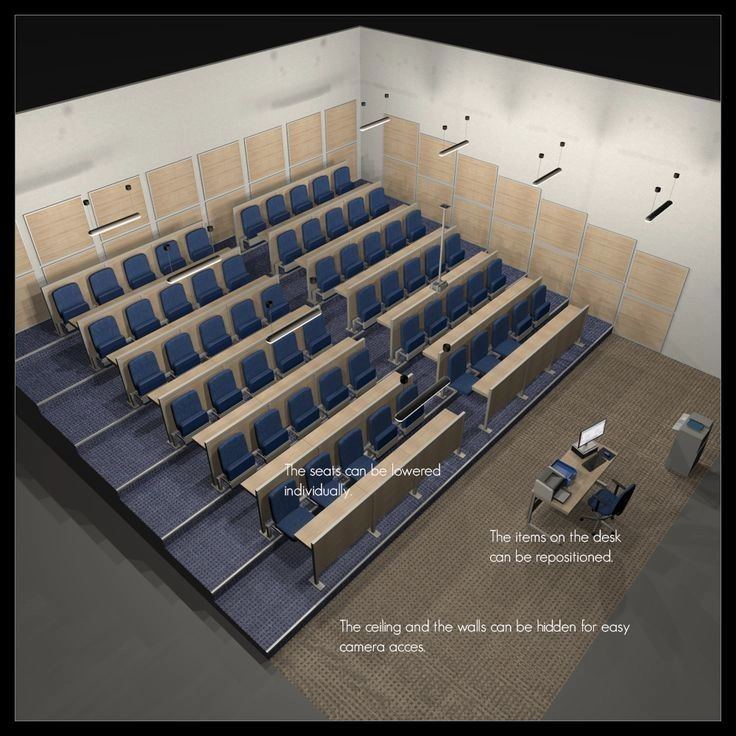
It is worth noting that some innovative products also integrate the multifunctional features of training chairs. For example, some waiting chairs are equipped with foldable, writable side panels, instantly transforming them into temporary desks or study tables. This design is particularly suitable for scenarios such as airport and library waiting areas, allowing travelers or readers to efficiently handle work or study while waiting, greatly improving the utilization efficiency and value of public spaces. Furthermore, environmental protection and durability are also important directions for industry development. New waiting chairs are generally made from recyclable and environmentally friendly materials, which not only aligns with the concept of sustainable development but also ensures the product's robustness and durability in high-frequency public use environments. Modular design makes maintenance and replacement of parts more convenient, reducing later maintenance costs.
In conclusion, this transformation in the waiting chair industry is a concrete manifestation of the "people-oriented" philosophy in public spaces. By integrating the ergonomic advantages of training chairs with intelligent technology, waiting chairs are transforming from passive resting tools into intelligent terminals that proactively enhance user experience and optimize space management. In the future, with continuous technological advancements and evolving needs, we have reason to expect that every chair in a public space can become a carrier of warmth and care, making "waiting" itself an enjoyable experience.