





According to the seventh national population census
Precise Insight: The Unspoken Needs of Elderly Users
The design of age-friendly waiting chairs is far from simply making ordinary chairs larger and thicker. It requires systematic innovation based on precise insights into elderly ergonomics, behavioral characteristics, and physiological decline. Core needs focus on the following aspects:
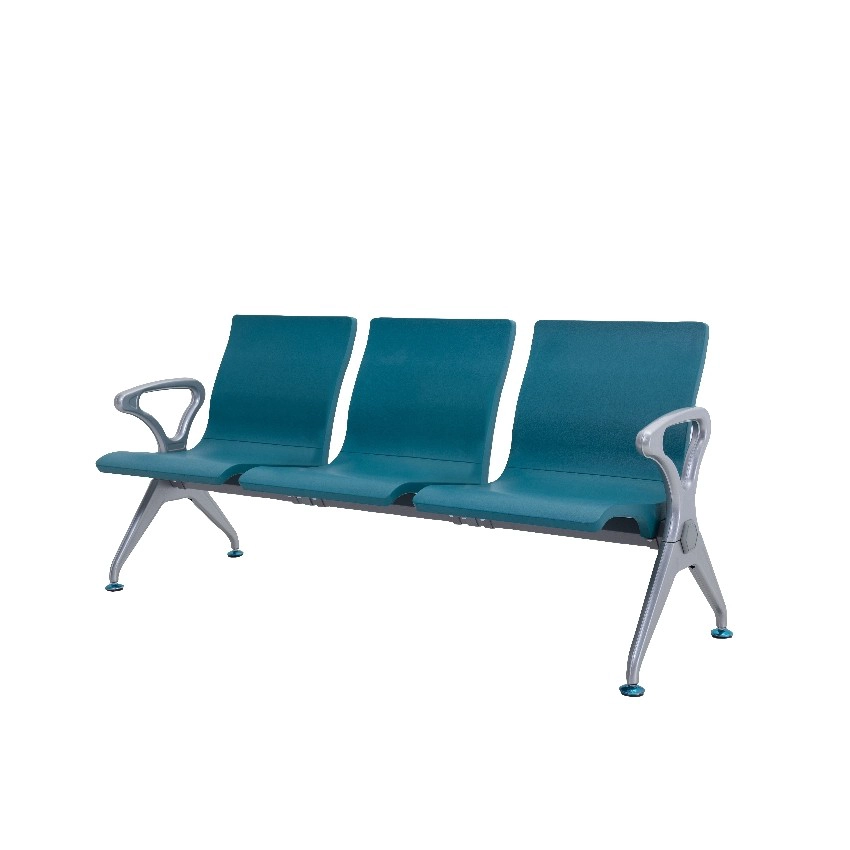
Safe Standing Assistance: This is the primary need. Through scientifically designed tilting angles (the front of the seat slowly lifts upwards) and providing stable and appropriately positioned armrests on both sides, the risk of instability when the elderly transition from sitting to standing can be greatly reduced. Some high-end products even integrate a slow-rising electric assist device.
Healthy Sitting Posture Support: Addressing common lumbar and joint problems in the elderly, the chair needs to provide support that better conforms to the curve of the lower back, and the cushion material requires high resilience and pressure distribution to prevent poor blood circulation or pressure sores from prolonged sitting.
Humanized Detail Care: Non-slip and warm armrest surfaces (such as solid wood or soft padding), smooth edges without sharp corners, space for placing walking sticks, and convenient storage slots for mobility aids. Even integrated seat heating functions can be considered to address cold sensitivity.
A truly age-friendly waiting chair should be like a silent and reliable assistant, anticipating and resolving the difficulties the elderly face every time they sit down and stand up, providing continuous and stable comfortable support. From General to Specialized: Vertical Integration and Standardization in the Industry Chain
The enormous demand is attracting companies to shift from general seating manufacturing to vertically integrating into the specialized field of age-friendly products. This is not just a change in products, but a revolution in R&D thinking, testing standards, and even business models.
In terms of R&D, companies need to collaborate closely with rehabilitation medicine experts, gerontologists, and even nursing homes, conducting extensive user research, prototype testing, and iterations. Regarding materials, there is a need to explore new composite materials that are more antibacterial, easy to clean, durable, and comfortable to the touch. Production demands higher precision and durability.
Even more crucial is the establishment and improvement of industry standards. Currently, my country has some national and industry standards for age-friendly furniture, but specific and detailed mandatory standards for waiting chairs in public places are still under development. Leading companies are actively participating in standard setting, defining the market with higher-standard products. This not only regulates industry competition but also provides clear and quantifiable criteria for government procurement and large-scale institutional purchases, accelerating the implementation of age-friendly renovations.
The Tip of the Iceberg of the Silver Economy: Extension of Services and Ecosystems
The value of the age-friendly waiting chair market extends far beyond furniture sales itself. It acts as a gateway, connecting to a broader service ecosystem for the silver economy.
For example, waiting chairs can be combined with health monitoring devices (such as non-contact heart rate monitoring pads), allowing for basic physiological data collection while seniors rest in nursing communities or family doctor clinics. It can become a terminal for smart elderly care platforms, connecting through the Internet of Things, allowing caregivers to remotely monitor the activity status of multiple elderly individuals. For manufacturers and solution providers, the business model can shift from "one-time product sales" to "product + continuous data services" or "overall solutions for age-friendly space renovation."
From cold steel and plastic to warm and safe support, the rise of age-friendly waiting chairs reflects the level of civilization and compassion a society has for its elderly. It is not only a practical product to address the challenges of an aging population but also symbolizes a profound shift in design thinking from "centered on the average person" to "inclusive design." This new blue ocean, created by the silver wave, tests not only the manufacturing capabilities of companies but also their humanistic care and innovative abilities to understand the deepest needs of humanity.