





3D-Printed Training Chairs: The End of the Mold and the Rise of Mass Customization
*Traditional manufacturing requires a $40,000 steel mold before you can make a single plastic chair. A new additive manufacturing process now allows a facility to 3D-print a custom-fit training chair for every individual employee in a single overnight run.*
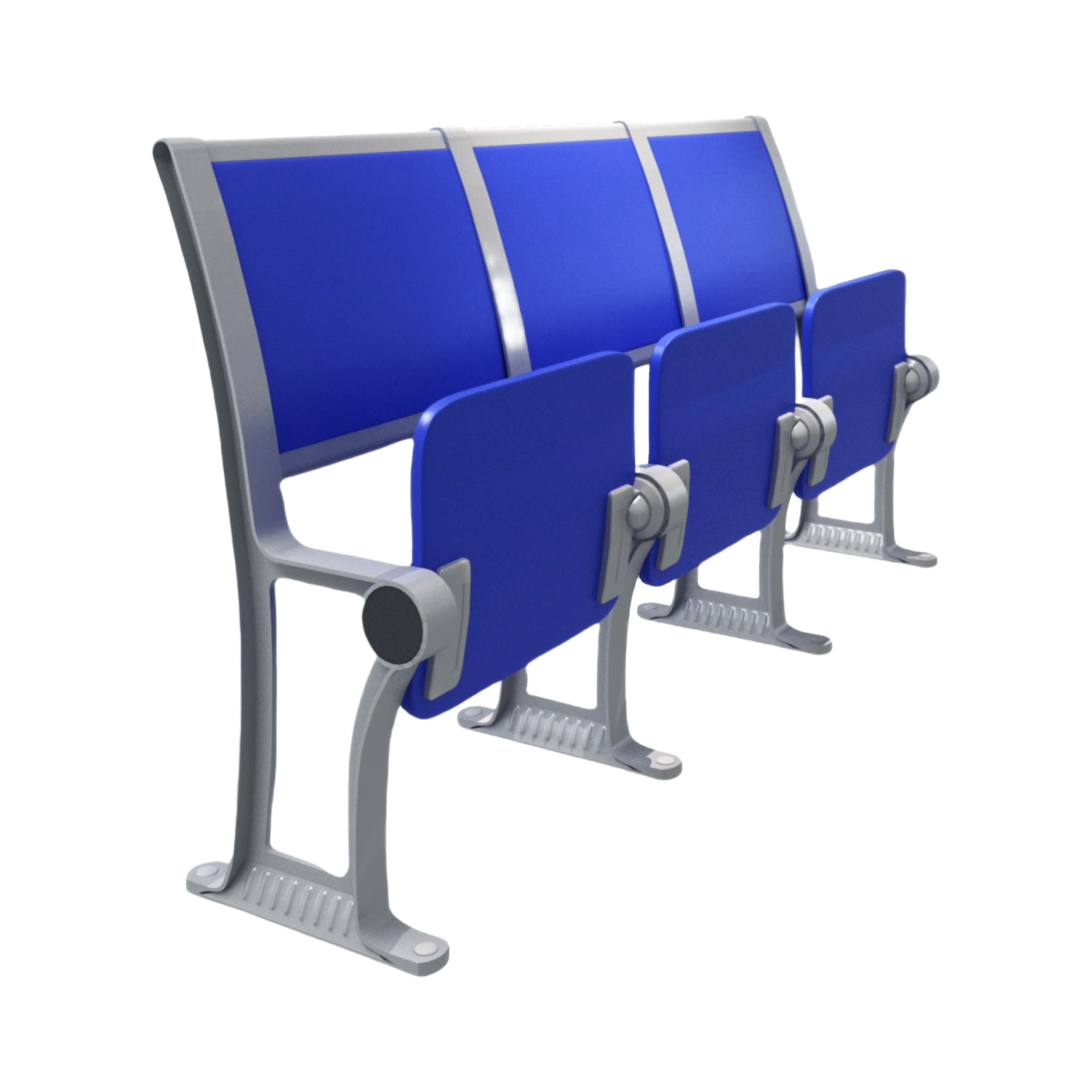
Mass production forced standardization on the human body, which is anything but standard. A tall, broad-shouldered worker and a petite worker have vastly different ergonomic needs, yet they typically sit in identical chairs. A Dutch design lab is shattering that paradigm by deploying large-format robotic 3D printers that extrude recycled polypropylene pellets into finished chair shells. The digital file for the training chair can be parametrically scaled based on a 30-second body scan taken on a smartphone. The algorithm adjusts the seat depth, backrest height, and lumbar curvature to match the individual’s anthropometry. The printer then lays down the shell in a continuous, swirling pattern, creating a bespoke training chair in about four hours. Because there is no mold, the machine can produce a batch of fifty completely unique chairs in sequence, creating a classroom where every single chair fits its user perfectly.
The material properties of 3D-printed seating have recently overcome the brittleness that plagued early prototypes. The new technique uses a co-extrusion nozzle that wraps a continuous strand of carbon-fiber-reinforced filament within the molten polymer bead. This creates a composite structure with strength comparable to injection-molded ABS plastic. The surface texture is intentionally left with a fine, ribbed finish from the print layers, which designers have embraced as an aesthetic signature of the digital manufacturing process. Waste is minimal; the training chair is printed at low temperature without supports, and at end of life, it can be shredded and re-printed into a new shell. This closes the loop entirely, with no toxic glue or chemical binders.
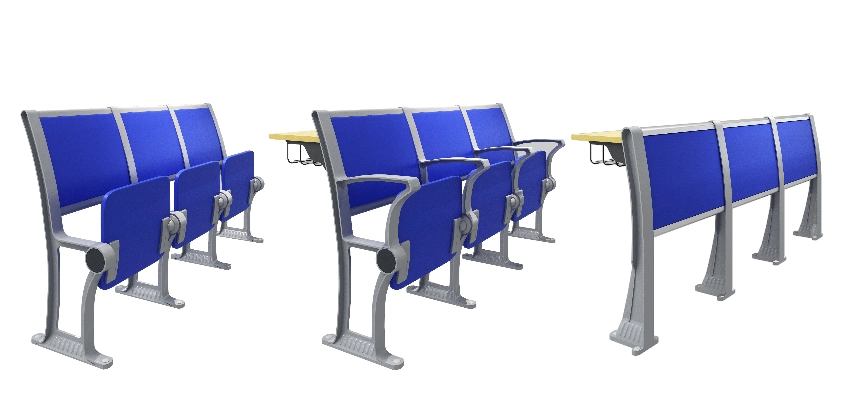
Educational and corporate campuses are the prime candidates for this technology. Imagine a university where incoming freshmen are scanned, and their personalized training chair is waiting in their lecture hall by the first day of class. This would eliminate the constant fidgeting and discomfort that erodes attention spans. While the per-unit cost is currently higher than a mass-produced basic training chair, the economics flip when you factor in the supply chain. No shipping from China, no warehouse inventory; just a local print farm producing chairs on demand. This decentralized model for the training chair represents the ultimate confluence of digital manufacturing and human-centric design. As the speed of printing increases, the concept of a “custom-fit training chair for all” is moving from a luxury proposition to a scalable, sustainable reality.