





"Aesthetics is Justice": How Design is Reshaping the Commercial Value of Waiting Chairs
Design as the Silent Language of Brand Storytelling
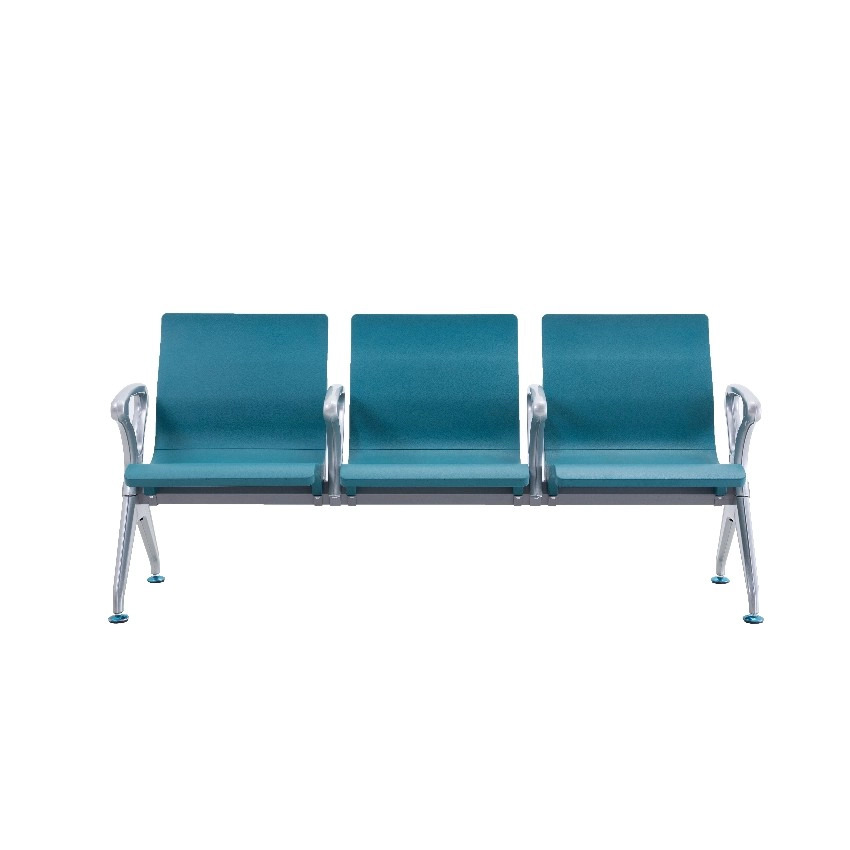
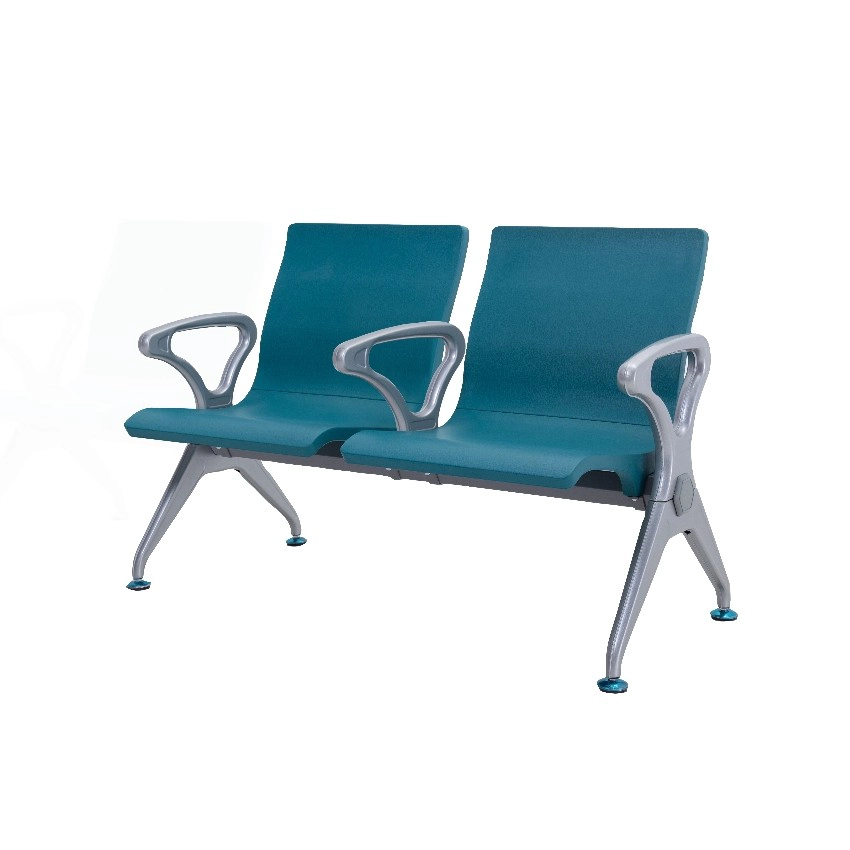
Against the backdrop of consumption upgrades, both commercial institutions and public service departments are increasingly emphasizing the impact of spatial experience on user perception. The waiting area, as the "antechamber" before users access core services, is crucial in creating the right atmosphere. A well-designed waiting chair is a key element in this spatial narrative.
For high-end brands (such as private banks and luxury goods after-sales centers), waiting chairs may utilize understated luxury materials and minimalist, flowing lines to convey a professional, trustworthy, and prestigious brand image. For trendy spaces targeting young people (such as trendy clinics and design hotel lobbies), the seating may be bolder, using bright contrasting colors, asymmetrical geometric shapes, or environmentally friendly recycled materials to showcase vitality and innovation. For cultural venues (such as art museums and libraries), chair design may focus more on artistic sense and intellectual depth, even becoming an exhibit itself.
At this point, the waiting chair is no longer just a cost item in a procurement catalog, but part of the brand's visual identity system. It uses a silent language to accurately convey the taste, positioning, and values of the space owner at the first point of contact with the user.
From Mass Procurement to "Spatial Curation": Design-Driven Industry Differentiation
The rise of design value is profoundly changing the ecosystem and competitive landscape of the waiting chair industry. The low-end market still has a demand for standardized products that are extremely price-sensitive and emphasize basic functionality. However, in the mid-to-high-end market, a design-driven differentiation has already begun. A number of furniture design companies and independent studios specializing in this area have emerged. They treat waiting chairs as "micro-architecture" or "urban furniture," collaborating with renowned architects and artists to launch limited-edition series with collectible value. On the other hand, traditional office furniture giants have also established design departments specifically for public spaces and healthcare and educational settings, providing one-stop solutions ranging from space planning and chair selection to color matching.
The purchasing decision-making process has also evolved. Previously, it was simply "buying chairs," but now it's about "choosing the most suitable seating solution for the space." Decision-makers have expanded from logistics departments to marketing departments, brand departments, and even top management. They are paying more attention to the narrative behind the materials (such as recycled ocean plastic), the craftsmanship, the originality of the design, and awards received (such as the Red Dot Award and iF Award). The procurement process for a well-designed waiting chair is increasingly resembling a "miniature spatial curation."
Sustainable Design: The Unity of Aesthetics and Ethics
Excellent contemporary design inevitably includes a sense of responsibility towards the environment. This has driven green innovation in the design materials and processes of waiting chairs. Designers are actively exploring: how to use rapidly renewable bamboo fiber panels? How to transform post-consumer recycled plastic bottles into sturdy and colorful chair bodies? How to design structures that are easy to disassemble, repair, and recycle?
These practices have transformed "sustainability" from a marketing slogan into a tangible and perceptible experience. When users learn that they are sitting on a chair made from hundreds of recycled plastic bottles, they gain not only physical rest but also a positive psychological feeling of participating in environmental protection. This achieves a unity of aesthetic and social ethical values, further enhancing the depth and impact of the design.
Future waiting chair design will place greater emphasis on "locality." It will combine regional cultural symbols, utilize local materials, and reflect architectural characteristics, becoming a truly organic part of the space it inhabits. Design, once considered a mere "soft power" embellishment, has now become a crucial engine defining product value, driving industry upgrades, and shaping the soul of a space.