






Aging Population Drives 25% Annual Growth in Age-Friendly Waiting Chair Sales in Japan
TOKYO — Japan’s population is aging faster than any other country in the world, and that demographic shift is having a huge impact on the waiting chair industry. A new report from the Japan Furniture Industry Association has found that sales of age-friendly waiting chairs have grown by 25% annually over the past three years, as hospitals, government offices, and public transit facilities upgrade their seating to meet the needs of elderly citizens.
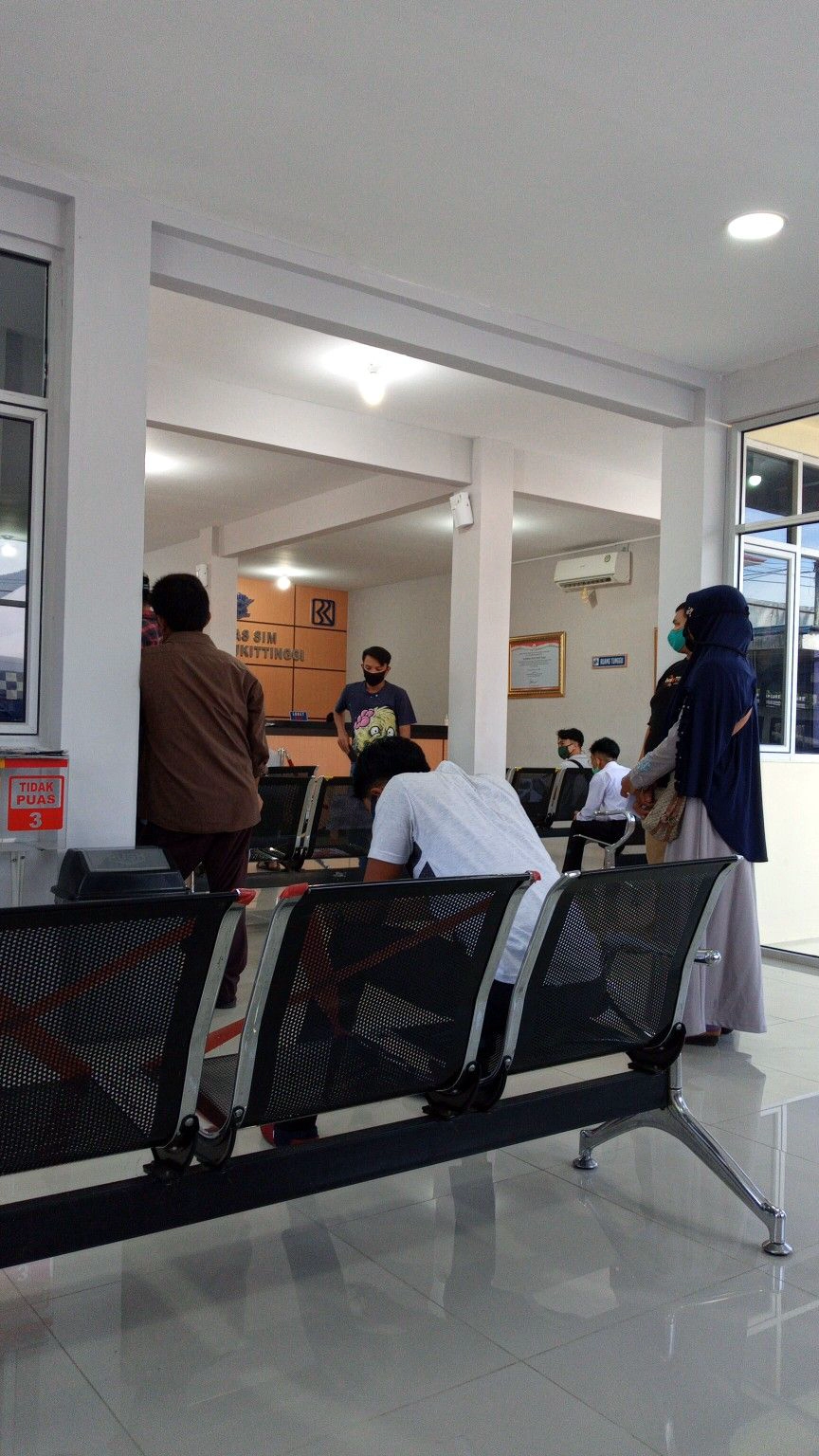
Age-friendly waiting chairs are designed specifically for elderly users, with features like higher seat heights to make it easier to stand up, wider armrests to provide support, extra lumbar support for long waits, and non-slip feet to prevent falls. These chairs are designed to address the common mobility issues that many elderly people face, such as arthritis, back pain, and reduced strength.
“Japan’s aging population is changing everything about our public spaces,” said Tanaka Hiroshi, a senior analyst at the Japan Furniture Industry Association. “For decades, we designed public seating for average, able-bodied adults. But now, more than 30% of our population is over 65, and we need to design seating that works for them. That’s why we’re seeing such a huge surge in demand for age-friendly waiting chair solutions.”
The report found that the healthcare sector is the largest buyer of age-friendly waiting chairs, accounting for 48% of total sales, as hospitals and clinics upgrade their waiting areas to make it easier for elderly patients to access care. Many elderly patients have to wait for long periods of time to see a doctor, and the new chairs make that wait much more comfortable and less stressful.
Government offices are the second-largest buyer, as they upgrade their facilities to meet the new national accessibility standards, which require that all public service centers have age-friendly seating for elderly citizens. Public transit stations are also a major market, as train stations and airports upgrade their waiting areas to make it easier for elderly commuters to wait for their trains.
The demand is also being driven by the government’s new 适老化改造 (age-friendly renovation) program, which provides grants to public facilities to help them upgrade their spaces to be more accessible for elderly citizens. The program has already provided more than ¥200 billion in grants over the past two years, and much of that money has been used to purchase age-friendly waiting chairs.
“Before, many of our elderly patients would stand in the waiting room, because the chairs were too low for them to stand up from,” said Dr. Sato Yuki, a doctor at a clinic in Tokyo that recently upgraded its waiting chairs. “That was really bad for their health, especially for patients with heart problems. But now that we have these new age-friendly waiting chairs, they can sit down comfortably, and it makes such a big difference for them.”
The surge in demand has led to a boom in the age-friendly waiting chair market, with manufacturers reporting that they can’t keep up with orders. Major Japanese furniture brands like Okamura have launched new lines of age-friendly chairs, and many smaller manufacturers are also entering the market to take advantage of the growing demand.
“ We’ve seen our sales of age-friendly waiting chairs triple over the past two years,” said Kimura Ken, CEO of a Tokyo-based furniture manufacturer. “We used to see these as a niche product, but now they’re our best-selling line. Every hospital, every government office, every train station wants them.”
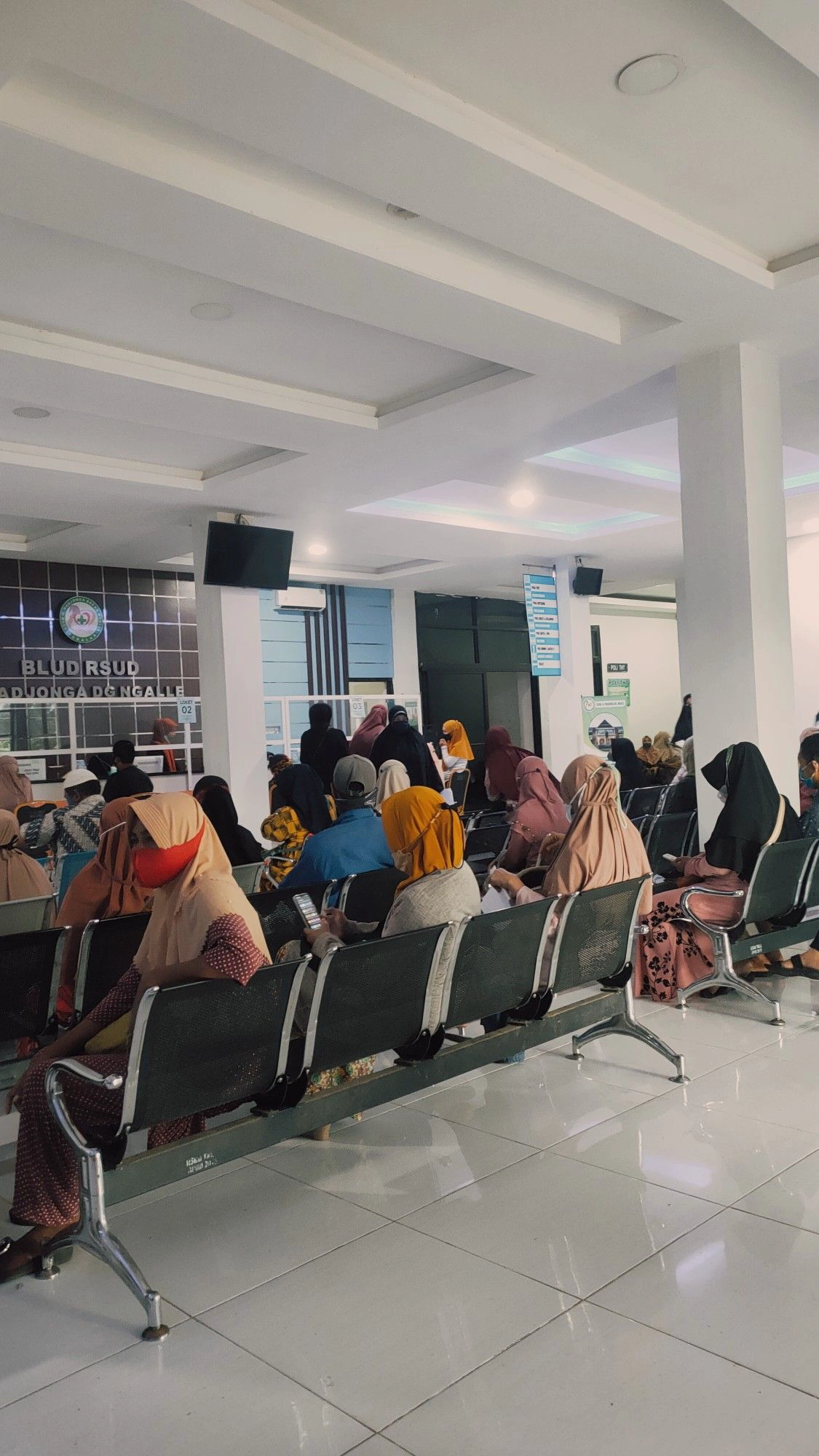
According to industry analysts, the demand for age-friendly waiting chairs is set to continue growing over the next decade, as Japan’s population continues to age. By 2030, analysts predict that more than 45% of all public waiting chairs in Japan will be age-friendly, as facilities continue to upgrade their spaces to meet the needs of their aging population.
And the trend is spreading to other countries too, as other aging populations like South Korea, Germany, and Italy start to adopt similar age-friendly standards. Analysts say that Japan’s experience is a model for the rest of the world, as countries around the world adapt to their aging populations.