






Post-Pandemic Demand Surges for Antimicrobial Waiting Chairs in European Hospitals
BERLIN — Three years after the end of the COVID-19 pandemic, European hospitals are still feeling its impact—particularly when it comes to their waiting areas. A new survey from the European Healthcare Federation has found that demand for antimicrobial waiting chairs has surged by 45% over the past year, as hospitals prioritize infection control and patient safety in the wake of the pandemic.
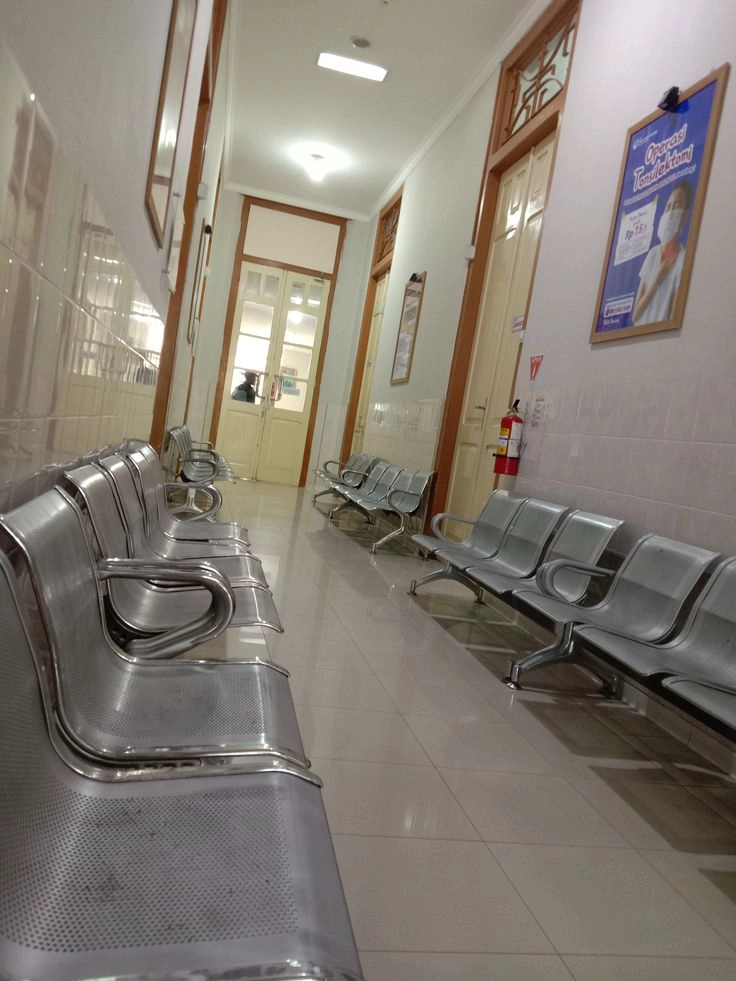
The survey, which polled 500 hospitals across 12 European countries, found that 87% of hospitals have upgraded their waiting room furniture over the past two years, with 76% of those upgrades including the installation of antimicrobial waiting chairs. These chairs, which feature special coatings and materials that kill bacteria and viruses, are designed to reduce the spread of germs in high-traffic waiting areas, where hundreds of people sit every day.
“ The pandemic changed everything for us,” said Dr. Anna Schmidt, head of infection control at Charité Hospital in Berlin, which recently upgraded all of its waiting chairs to antimicrobial models. “Before the pandemic, we didn’t really think about the waiting room as a place where germs could spread. But during the pandemic, we realized that high-touch surfaces like chair seats and armrests could be a major source of transmission. That’s why we decided to invest in these antimicrobial waiting chairs.”
The antimicrobial chairs feature a silver-ion coating that kills 99.9% of bacteria, viruses, and fungi within two hours of contact, and the coating lasts for the entire lifespan of the chair, even with frequent cleaning and disinfection. The seats and backrests are made from non-porous materials that don’t absorb liquids, making them easy to wipe down and disinfect between patients.
Hospitals are also reporting that the new chairs have helped reduce the rate of hospital-acquired infections (HAIs), which cost the European healthcare system more than €7 billion every year. At Charité Hospital, for example, the rate of HAIs linked to the waiting area has dropped by 32% since the hospital installed the new chairs.
“HAIs are a huge problem for hospitals, and anything we can do to reduce them is worth the investment,” said Dr. Schmidt. “These chairs aren’t just more comfortable for our patients—they’re actually helping to keep them safe. That’s a win-win for everyone.”
The surge in demand has led to a boom in the antimicrobial waiting chair market, with manufacturers reporting a 52% increase in sales over the past year. Major brands like Steelcase, Herman Miller, and Zoeftig have all launched new lines of antimicrobial chairs, and smaller manufacturers are rushing to add antimicrobial coatings to their existing products to meet the demand.
“ We can’t keep up with the demand right now,” said Mark Thompson, sales director at Zoeftig, a UK-based manufacturer of public seating. “We’ve been getting orders from hospitals all over Europe, and we’ve had to expand our production capacity just to keep up. It’s clear that antimicrobial waiting chairs are no longer a niche product—they’re becoming the new standard for healthcare facilities.”
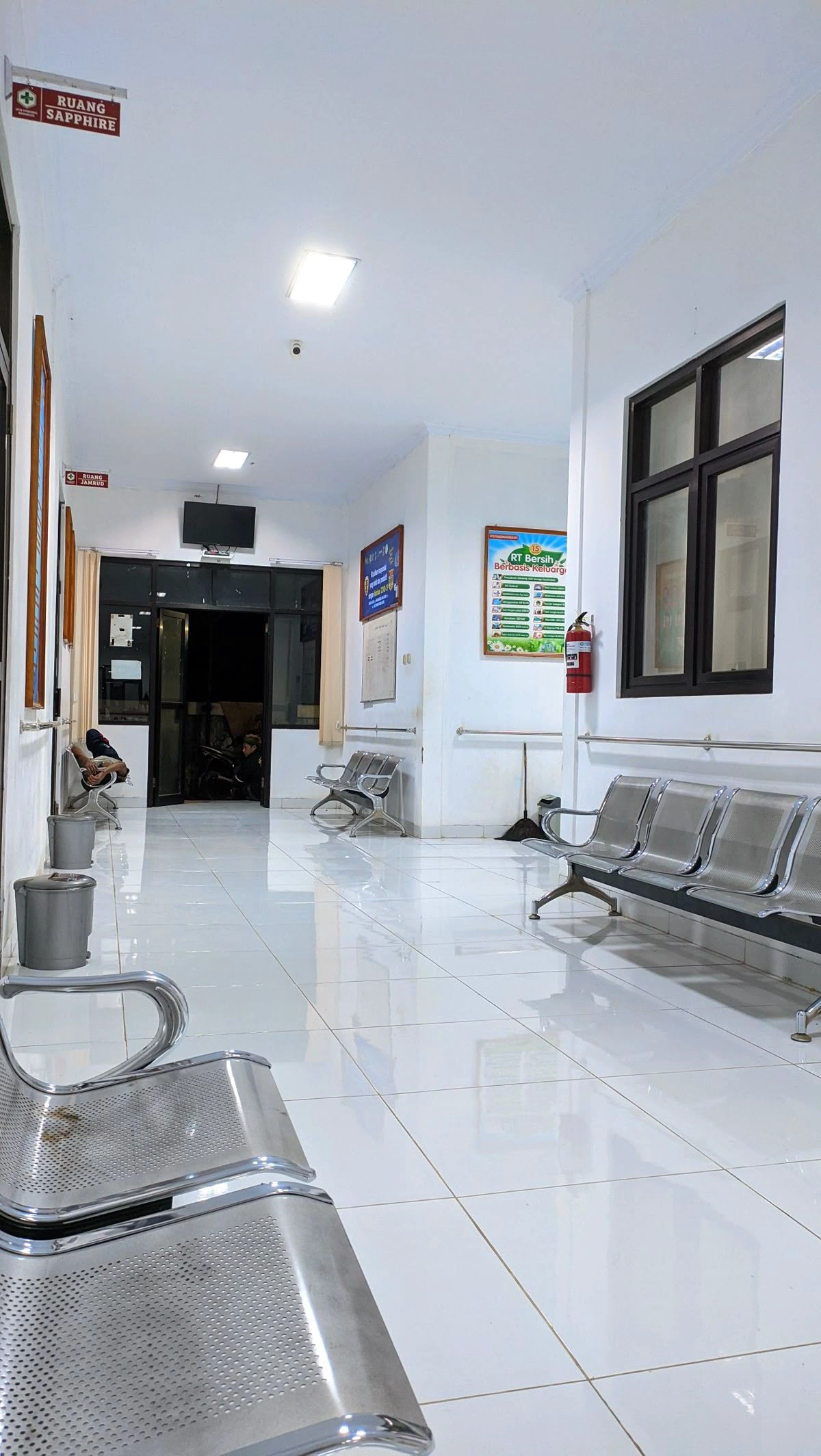
The demand is also being driven by patient expectations, as patients are now more focused on hygiene than ever before. A 2024 survey of European patients found that 78% of respondents say that they would choose a hospital with clean, hygienic waiting areas over one with lower prices, and 69% say that they notice the type of seating in the waiting room when they visit a hospital.
“Patients are more aware of hygiene than ever before, and they want to know that the hospital is taking steps to keep them safe,” said Thompson. “If a hospital has old, stained, hard-to-clean chairs, that sends a message to patients that the hospital doesn’t care about their safety. But if they have new, antimicrobial waiting chairs, that tells patients that they’re taking infection control seriously.”
According to industry analysts, the demand for antimicrobial waiting chairs is set to continue growing over the next decade, as hospitals across Europe continue to upgrade their facilities. By 2030, analysts predict that more than 90% of hospital waiting chairs in Europe will be antimicrobial, as infection control becomes a standard part of healthcare facility design.