





Beauty is Justice: Waiting Chairs Become the "New Calling Card" of Urban Aesthetics
Strolling through the city streets in 2025, you'll find that the once uniform and drab public waiting chairs are disappearing, replaced by uniquely designed, brightly colored, and even artistic "eye-catching" chairs. From the fashionable rows of chairs in Chengdu Taikoo Li, to the classical bamboo waiting chairs in the Suzhou Museum, and the modern sculptural seats on the Shanghai Bund, they are no longer merely tools for rest, but have become part of the urban landscape, a "flowing landscape" that showcases regional culture and brand identity.
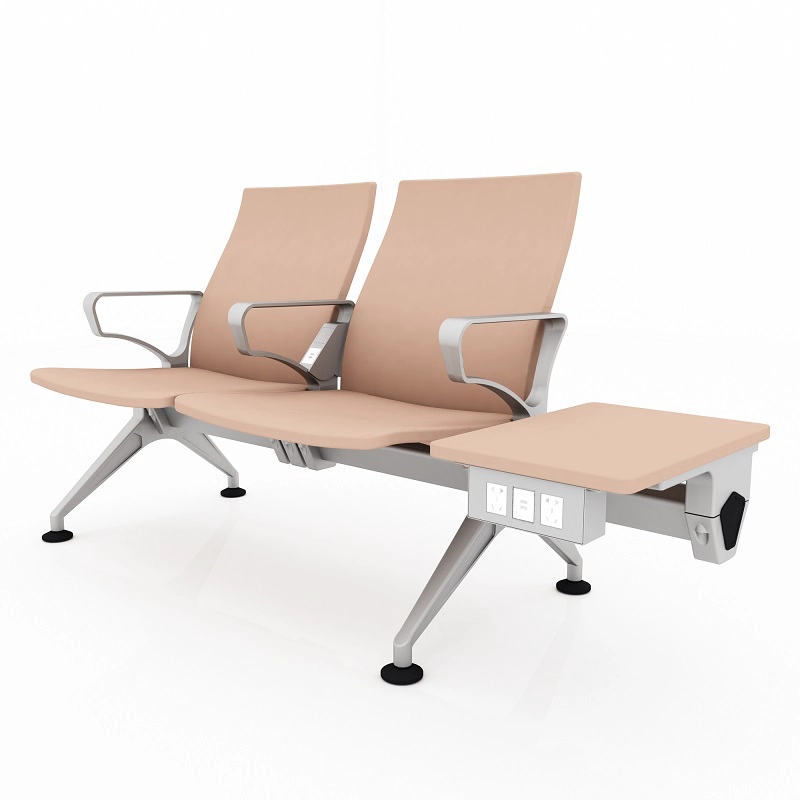
This change stems from the improvement of public aesthetic standards and the importance that city managers place on image building. In the past, the design of waiting chairs often only considered practicality and cost, leading to serious product homogenization. Now, designers are boldly using color psychology, modern aesthetics, and local cultural elements to transform waiting chairs into pieces of public art. For example, in children's playgrounds or family restaurants, the waiting chairs are full of childlike fun, with shapes that might be cute animals or building blocks, and bright, lively colors that instantly capture children's attention; while in high-end office buildings or art galleries, the waiting chairs have simple lines and high-quality textures, complementing the surrounding environment and showcasing a unique style.
This "artistic" trend has also profoundly influenced the operational logic of commercial spaces. In many trendy cafes and boutiques, a uniquely designed waiting chair is itself a "lure" to attract customers. Customers are happy to take photos and check in on these chairs, sharing them on social media, thus bringing free traffic and word-of-mouth marketing to businesses. The brand value and marketing effect brought by a good waiting chair even exceed its own hardware cost.
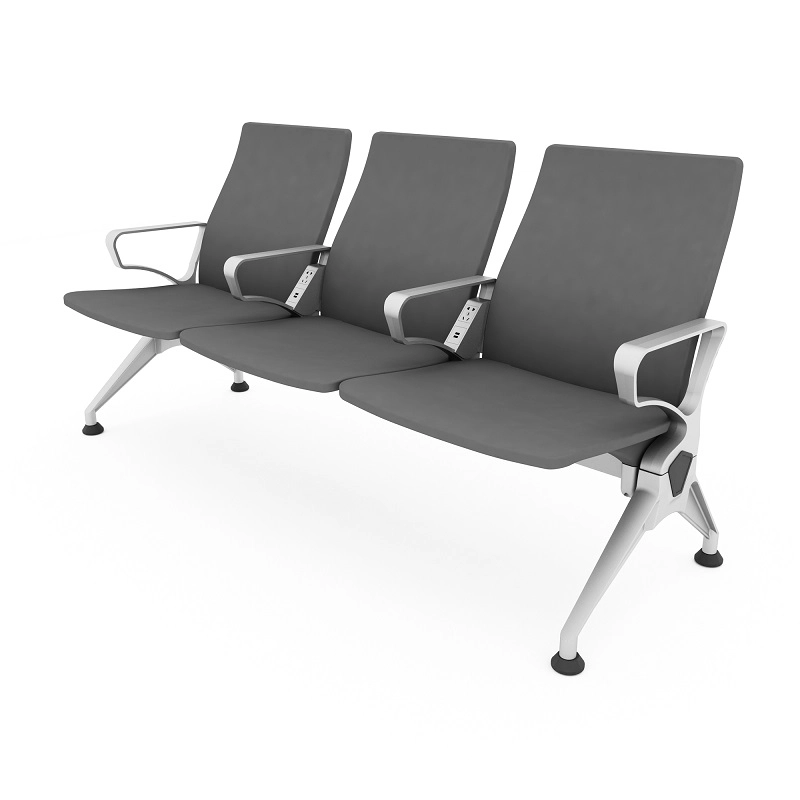
At the same time, material innovation has also made the "high-value" appearance of waiting chairs possible. Beyond traditional metals and wood, designers are now experimenting with colored concrete, recycled plastic granules, and even 3D-printed materials to create waiting chairs. These new materials are not only environmentally friendly and durable, but also allow for complex curves and color effects unattainable with traditional methods. In some public rest areas in North Bund, waiting chairs made from a mixture of recycled tile scraps and concrete exhibit a unique, rugged beauty, becoming a popular backdrop for photos among residents and tourists.
The aesthetic evolution of waiting chairs reflects our yearning for a beautiful living environment. It tells us that public spaces don't have atrocious and boring; they can also be full of beauty and interest. When a waiting chair can make people stop and admire it, or even feel joy, it has already surpassed its original value as a piece of furniture, becoming an important vehicle for enhancing urban happiness and cultural taste.