





Humanized Care in the Intelligent Age: How Auditorium Chairs are Redefining the Art of "Waiting"
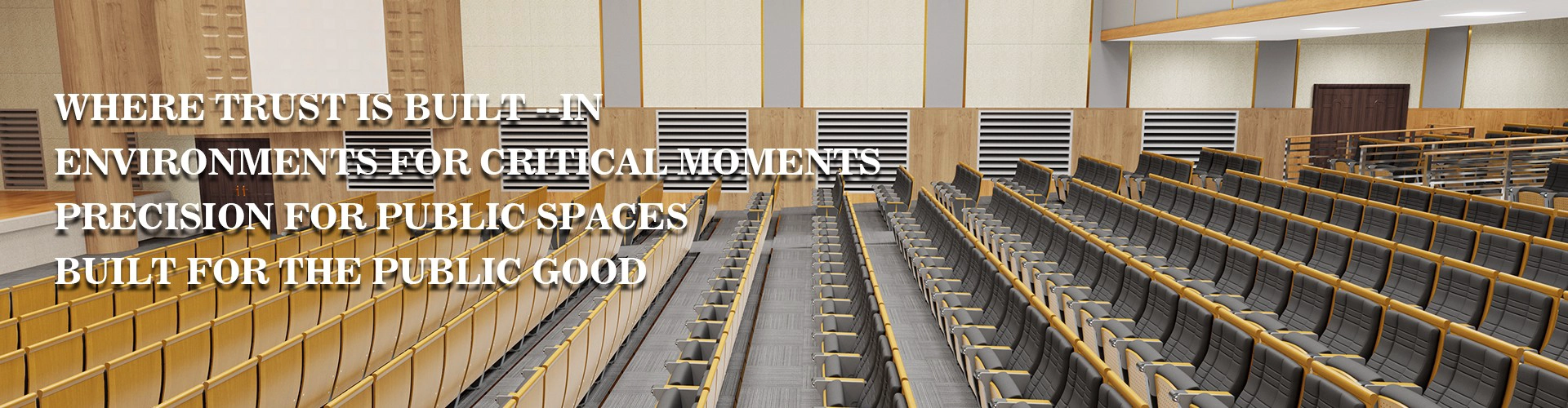
In modern conference centers, university lecture halls, and theaters, traditional fixed auditorium chairs are being replaced by a new generation of smart seating systems. This innovation goes far beyond just upgrading materials; it transforms seats into information and service terminals through embedded technology. For example, some high-end smart auditorium chairs are equipped with foldable touchscreens on the inside of the armrests, allowing attendees to view the meeting agenda in real time, access simultaneous translation subtitles, and even participate in anonymous voting. This design cleverly transforms the fragmented time spent sitting into an effective process of information reception and interaction, greatly improving meeting efficiency and participation. This is similar to the smart waiting chairs in hospitals or airports that focus on personalized, short-term comfort, both aiming to make the potentially wasted "waiting time" valuable and comfortable.
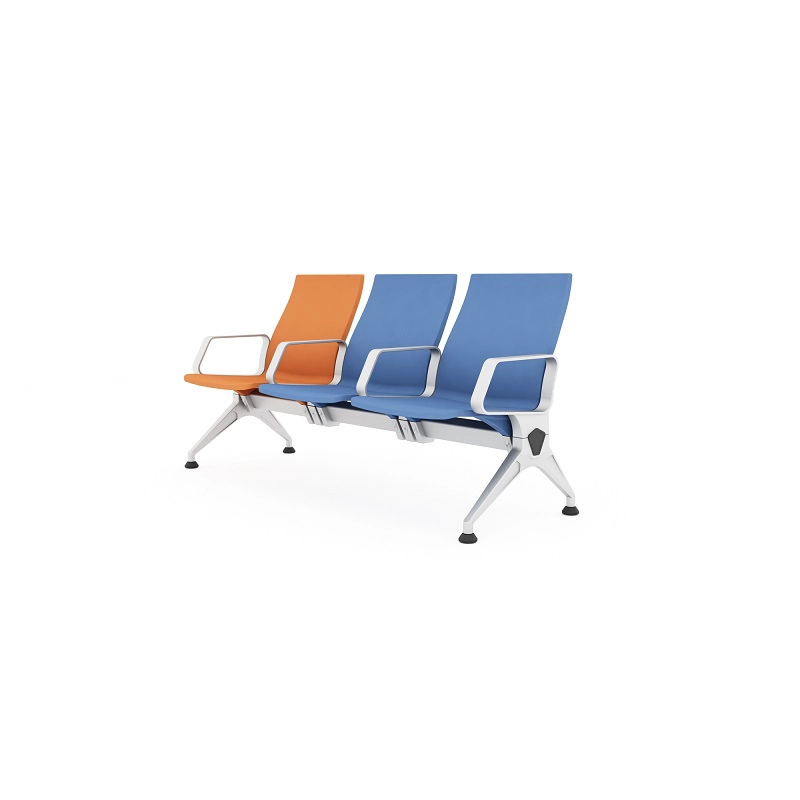
The deep application of ergonomics is another major highlight. Considering the needs of long meetings or performances, the new generation of auditorium chairs features scientifically optimized backrest curves, seat cushion angles, and lumbar support. Some models even incorporate chair back designs that conform to theatrical acoustics principles to reduce noise interference. Leading brands have also developed intelligent temperature control and ventilation systems, regulating the temperature of the local microenvironment through micro-perforated airflow on the chair surface, ensuring comfort during prolonged sitting. This ultimate pursuit of individual comfort is consistent with the design philosophy of public area waiting chairs that prioritize comfort during short waits, both reflecting a "people-centered" design core.
However, the challenge for smart auditorium chairs lies in coordination and standardization. An auditorium with thousands of smart seats requires stable, high-speed network support for all terminals to be online simultaneously, which places higher demands on the venue's infrastructure. Furthermore, balancing cutting-edge technology with cost control, and enabling smart features to move from high-end venues to more common educational and cultural institutions, is a real challenge facing the industry. Meanwhile, smart waiting chairs in airports and high-speed train stations, another important member of the public seating family, are also evolving in parallel. They share similar IoT architecture and user interaction logic, jointly driving the entire public seating industry towards digitalization and networking.
Looking ahead, smart auditorium chairs may further integrate into smart building ecosystems. By linking with the venue's lighting, sound, air conditioning, and security systems, the seats can automatically adjust the surrounding environment based on the event's progress. In terms of safety, pressure sensors can assist in rapid evacuation guidance; in terms of health, non-contact vital sign monitoring may be integrated to provide data support for public safety during large events. From stationary furniture to intelligent nodes that can sense, interact, and collaborate, the evolution of auditorium chairs is a micro-epic of how public spaces can enhance collective experiences through detailed design. Its transformation, along with the waiting chairs serving individualized and fragmented scenarios, signifies that we are entering a new era where all facilities are interactive and all waiting experiences can be optimized.