





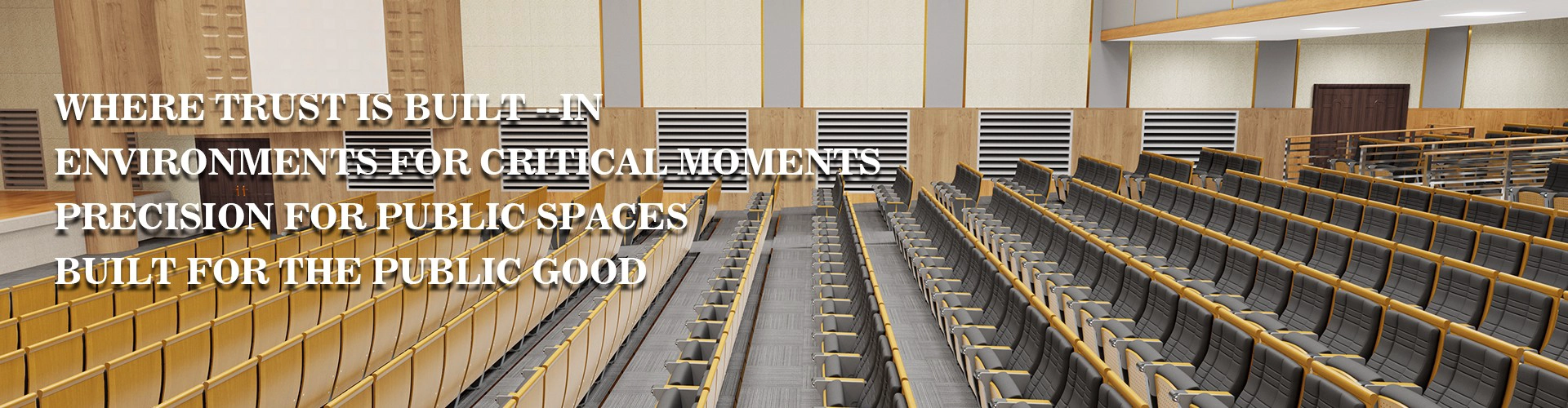
Chairs-as-a-Service: The Subscription Model That Is Disrupting the Training Chair Industry
Why would a company buy a chair that becomes a depreciating asset and a future landfill liability? A disruptive new "Chairs-as-a-Service" (CaaS) model is hitting the commercial furniture market, offering brand-new, high-end training chairs on a monthly subscription that includes repair, deep cleaning, and a guaranteed carbon-neutral end-of-life path.
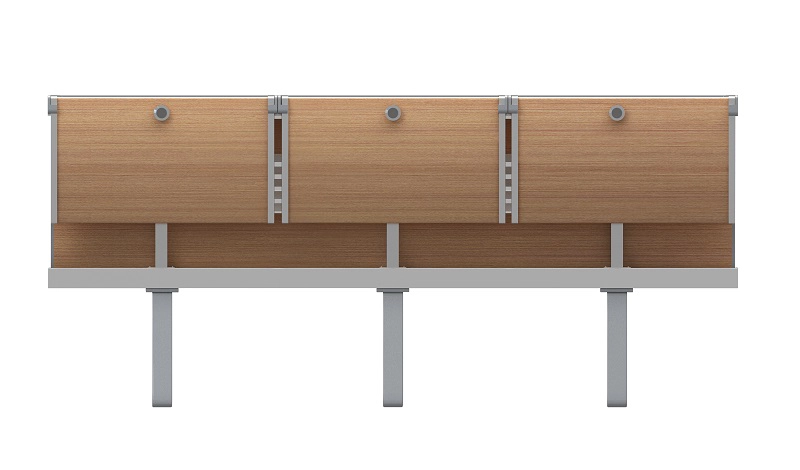
The linear economy of "take, make, dispose" has ruled the training chair market for a century. A university buys 500 chairs, uses them for a decade, patching them up with duct tape and prayers, and eventually sends them to a dumpster when the upholstery disintegrates. The subscription model, already a juggernaut in software and cars, has now arrived in the world of furniture. A pioneering European circular-economy enterprise is offering a performance-based contract where the client pays a fixed monthly fee per seat. In return, they receive a premium, modular training chair that remains the property of the manufacturer. This completely flips the incentive structure: the manufacturer is now motivated to build a training chair that is ultra-durable, easy to clean, and infinitely repairable, because any breakage or premature wear is their financial burden, not the client's.
The operational benefits for large venues are transformative. Instead of a massive, lump-sum capital expenditure that requires board approval and then locks the institution into a specific design for fifteen years, the CaaS model turns seating into a predictable operational expense. The subscription package includes an annual "refresh" where a technical team visits the site to disassemble and deep-clean every single training chair, replace all worn gas lifts or casters, and even re-tension the mesh backrests. If a chair is damaged, a technician arrives within 48 hours. If the client wants to change the entire color scheme of the training room to reflect a new brand identity, they can swap out the upholstered shells and return the old ones under the same contract. The training chair is no longer a static product; it is a dynamic service that evolves with the organization’s needs. This agility is a powerful draw for co-working spaces and conference centers that must constantly refresh their look to stay competitive.
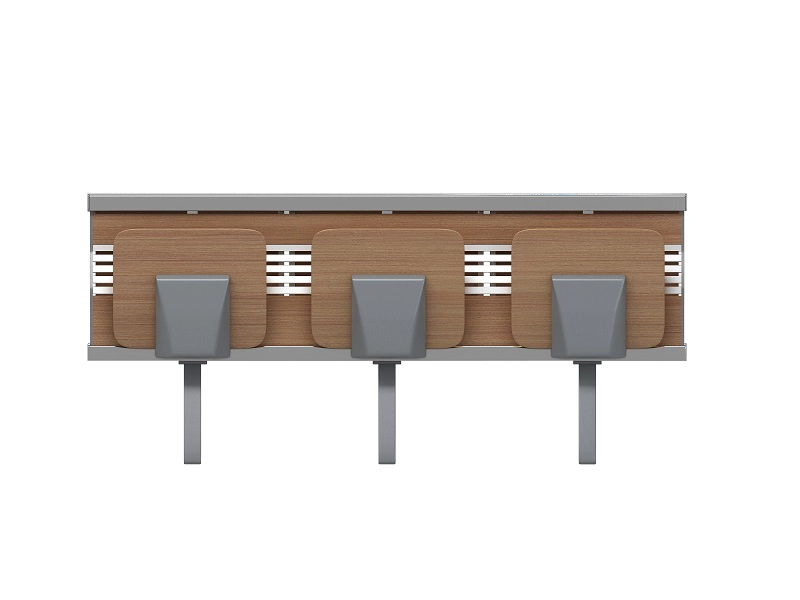
Sustainability is the engine driving this model. Because the manufacturer retains ownership of the physical assets, they are legally and commercially obligated to ensure zero landfill waste. At the end of the subscription term, the training chair fleet is returned to a regional remanufacturing hub. There, the chairs are completely broken down. Steel frames are powder-coated and reused; foam is chemically recycled back into new foam; and plastic shells are shredded and re-molded into next-generation training chair components. The client receives a detailed "material passport" documenting exactly how many kilograms of waste were diverted. This circularity is fully auditable, supporting corporate ESG reporting. The subscription price is surprisingly competitive, often costing less over a five-year period than purchasing and maintaining a low-quality chair. By removing the upfront capital barrier, the Chairs-as-a-Service model is making the highest quality, most sustainable training chair accessible to educational institutions and start-ups that would otherwise have been forced to buy cheap, short-lived alternatives. It represents a fundamental shift from selling objects to selling outcomes — and the outcome is always a perfectly maintained, pristine training chair ready for the next learner.