





The Smart Classroom Arrives: How IoT-Enabled School Desk and Chair Systems Are Tracking Student Engagement
When we talk about data-driven education, we usually picture software dashboards and standardized test scores. But now, the data revolution is literally sitting beneath students — a new generation of internet-connected school desk and chair combinations is quietly measuring posture, attention, and even emotional states in real time.
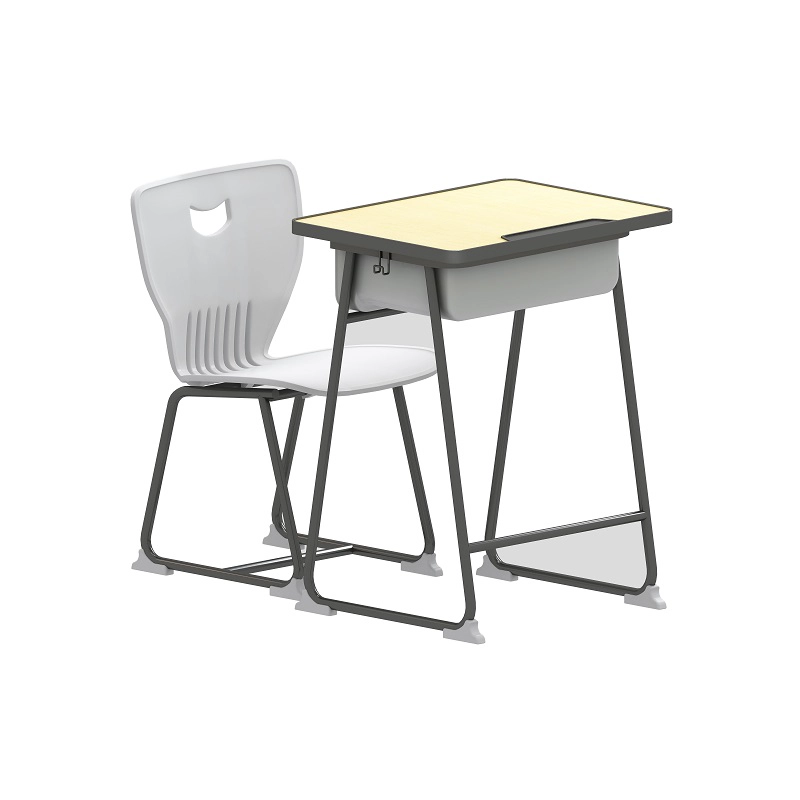
For decades, the physical infrastructure of education remained stubbornly analog while the curriculum went digital. That gap is closing rapidly. A pioneering consortium of European educational technology firms and furniture manufacturers has unveiled a fully integrated school desk and chair system embedded with low-energy Bluetooth sensors. The pressure-sensitive mat inside the chair seat tracks fidget frequency and sitting duration, while an accelerometer in the desk surface monitors whether the work surface is being actively tapped, written on, or left untouched. The data streams to a teacher-facing dashboard that displays anonymized classroom "engagement heat maps," allowing an instructor to see in real time which rows of students are becoming restless or disengaged. This connected school desk and chair is not designed to surveil individual children punitively; rather, it provides a macro-level diagnostic of how the physical learning environment and lesson pacing are impacting collective focus. If an entire classroom's posture scores slump thirty minutes into a lecture, the teacher knows it is time to shift modalities.
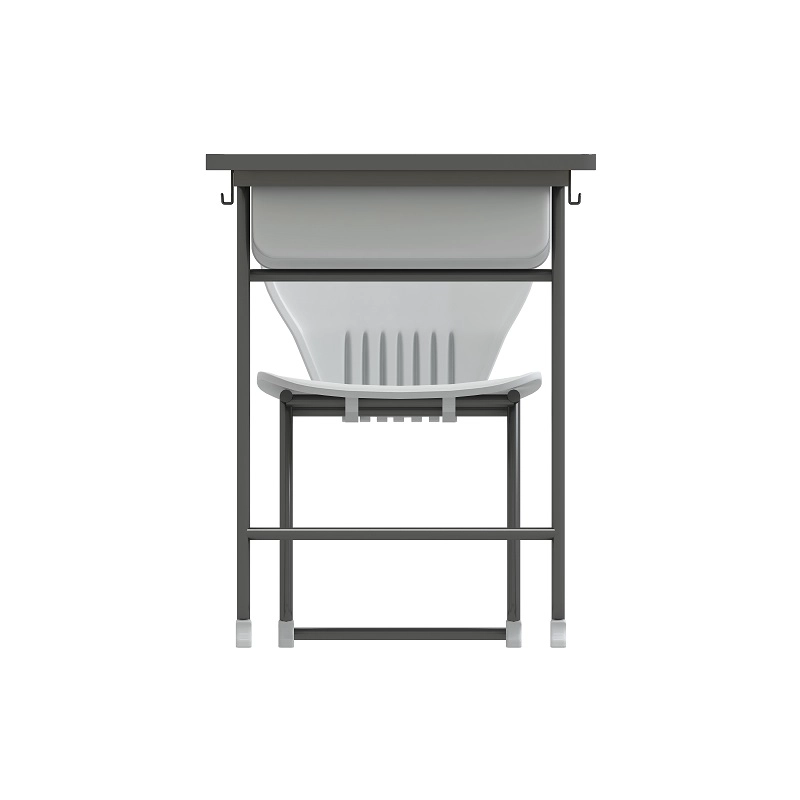
The engineering challenges behind this smart school desk and chair were substantial. The electronics had to survive the brutal reality of K-12 life — spilled juice, gum under the seat, being dropped by a custodian. The sensor package is fully potted in a waterproof resin and housed within a replaceable module that clicks into a recess under the seat pan. Power is supplied by a long-life coin cell battery rated for two years, eliminating the need for dangerous charging cables in the classroom. The desk surface integrates a stealthy, e-ink display strip that shows a subtle green, amber, or red glow based on the individual student’s self-assessed comprehension level; a simple toggle under the desk lip lets a student privately signal "I’m lost" without public embarrassment. This feature turns the school desk and chair into a silent communication bridge between the shy student and the teacher, democratizing participation. Privacy is paramount: no video or audio is captured, and all data is anonymized and stored locally on a classroom hub, not in the cloud.
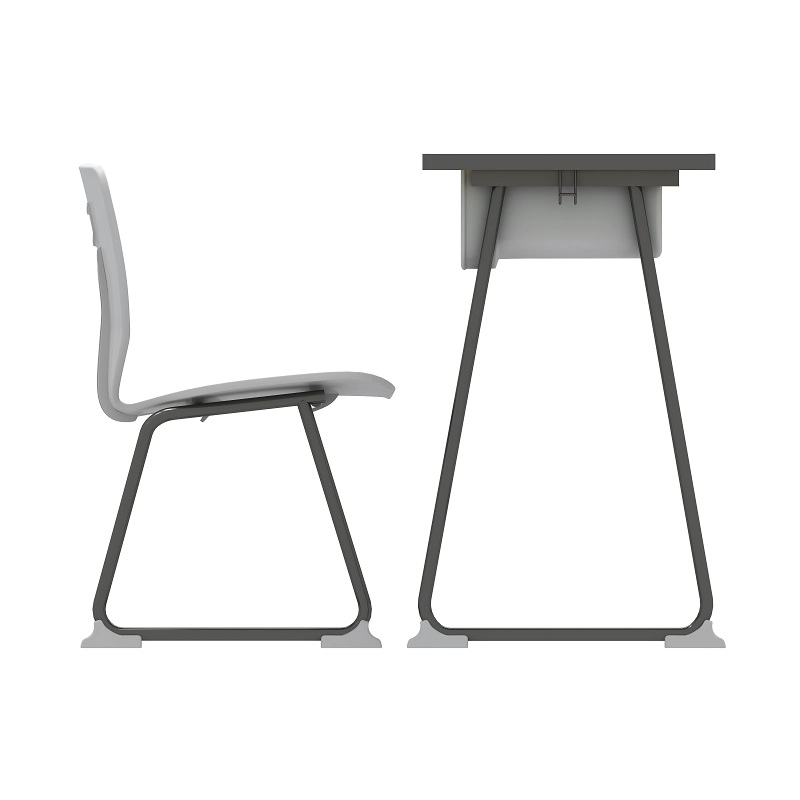
Critics have raised concerns about normalizing biometric surveillance in schools, even in a benign form. The manufacturer counters that the purpose of the sensor-laden school desk and chair is to make the invisible visible — to reveal that a student who appears to be staring out the window may actually be processing information deeply, or that the classroom's afternoon stuffiness is causing a measurable drop in physical alertness. Pilot programs in Dutch and Danish primary schools have shown a correlation between the use of these smart systems and a reduction in behavioral incidents, as teachers can proactively intervene with a brain break or a physical stretch before restlessness boils over. The next iteration of this school desk and chair is expected to incorporate air quality sensors and temperature monitors, effectively turning every seating position into a node in a building-wide environmental management system. As the Internet of Things becomes ubiquitous, the school desk and chair is poised to become the most intimate and continuous data interface in a child's educational journey.